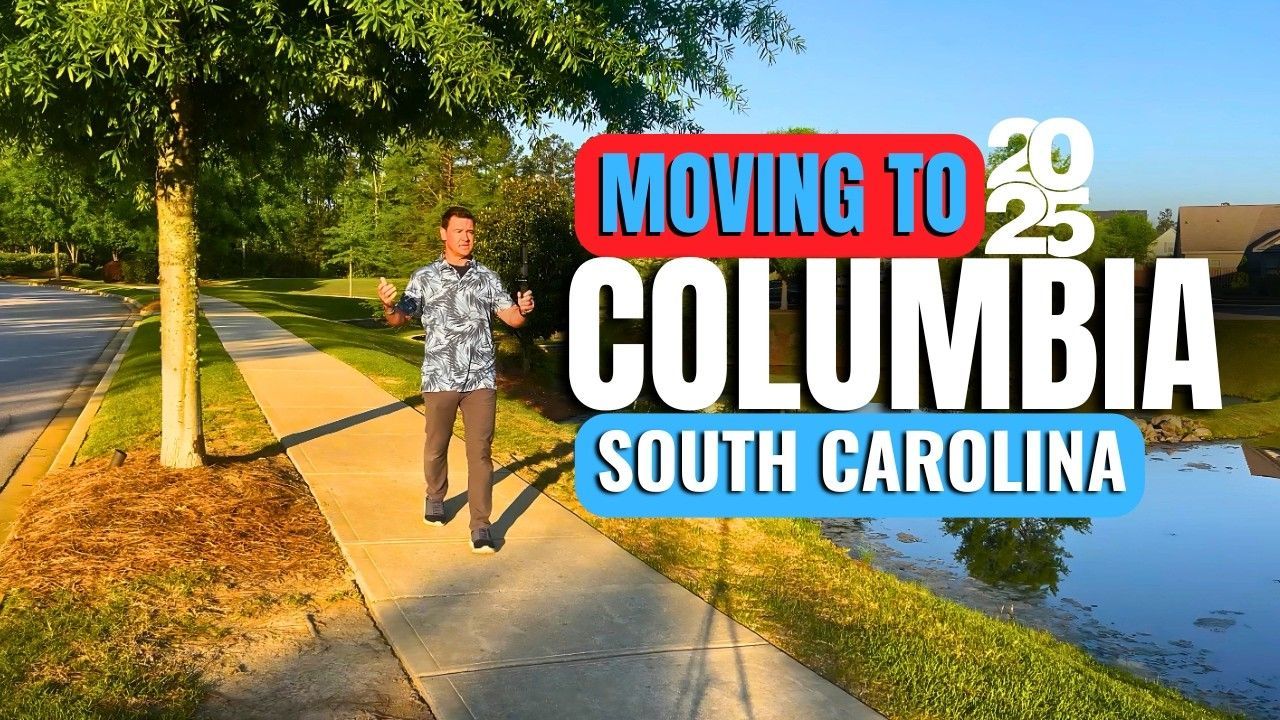
Is living in Columbia, SC really as cheap as it looks online? Short answer: kind of. Long answer: it depends on where you are coming from, what lifestyle you want, and how well you plan for the hidden costs that sneak up on new arrivals. This guide breaks down the true cost of living in Columbia, SC — not just the averages you see on spreadsheets, but the real bills, neighborhood trade-offs, and surprises people encounter after they move. If you are thinking about living in Columbia, SC, read this before you pack the truck.
Table of Contents
- How to use this guide
- Quick overview: What makes Columbia affordable — and when it is not
- Taxes: property, state income, and the surprising differences
- Gas, groceries, and everyday essentials
- Utilities: what real bills look like
- Insurance: homeowners, auto, and flood
- Hidden cost: vehicle property tax
- Childcare and daycare costs
- Healthcare and entertainment
- Housing: what your budget actually buys in Columbia
- Practical tips if you are planning to move
- FAQs About Living in Columbia, SC
- Final thoughts
How to use this guide
If you are considering living in Columbia, SC, treat this guide as a boots-on-the-ground checklist. We cover taxes, utilities, groceries, insurance, daycare, healthcare, entertainment, hidden costs like car property taxes, and a deep dive into what different budgets buy in local neighborhoods. Each section includes examples and some real bills to give you a clear picture of what to expect.
Quick overview: What makes Columbia affordable — and when it is not
On many core metrics, living in Columbia, SC is more affordable than larger coastal metros. Property taxes are low compared with states like New Jersey or New York. Gas prices and general groceries are often below national urban averages. Homebuyers moving from expensive states frequently see immediate savings.
That said, affordability is not uniform. The largest variable is housing: what your budget actually gets you in different neighborhoods. Hidden recurring costs — annual vehicle property taxes, higher car insurance premiums, or secondary-residence tax penalties — can erase those savings fast if you do not plan for them. The rest of this guide walks through all those moving parts.
Taxes: property, state income, and the surprising differences
Property taxes in South Carolina are among the lowest nationally. The state often ranks in the bottom 10 for property tax burden. If you are moving from a high-tax state, that will feel like a win right away.
But there are important nuances:
- Counties set mill rates and add-ons. Lexington County typically sits near the state average, while Richland County can be slightly higher.
- School ratings do not automatically change tax rates. Two neighborhoods may have different school reputations but the same rate; higher-value homes just generate more revenue for the same mill rate.
- When you buy a home, the property is reassessed at your purchase price. South Carolina reassesses every five years and caps assessment increases during that cycle, meaning current owners may pay less than a new buyer would.
- Primary versus secondary residence matters more than many expect. Primary homes enjoy significant discounts and homestead exemptions. A second home or investment property can face much higher effective tax bills — sometimes four to five times the primary rate.
Example: On a $350,000 house in Lexington County, the primary residence tax might be roughly $2,900 a year. That same property assessed as a secondary residence could jump to over $10,000 a year. If you plan to buy a lake place or investment home and not claim it as your primary residence, run the county tax estimator first.
Homestead exemption and retiree rules
South Carolina offers homestead exemptions for seniors and disabled residents that can reduce assessed value by the first $50,000 of fair market value. Also, Social Security benefits are exempt from state income tax and retirement income is partially exempt for qualifying residents.
Gas, groceries, and everyday essentials
If you are living in Columbia, SC, you will notice gas and many groceries are reasonably priced compared to larger metros. Costco and regional chains usually have competitive gas prices. Grocery options include Walmart, Kroger, Publix, Aldi, Trader Joe’s, Food Lion, and occasional specialty stores. National price increases still affect Columbia, but overall the midlands tend to be kinder to your grocery budget than many northern and coastal cities.
South Carolina exempts groceries from the state 6 percent sales tax. However, local county or municipal sales taxes can be added at the register, so the final percentage depends on where you shop.
Utilities: what real bills look like
Expect higher electricity usage in the summer due to heat and humidity, and some heating in the winter. Homes built with efficiency in mind will be cheaper to run than older stock.
Real bill examples from a 3,600 square foot home built in 2019 using natural gas for heat, water heater, and fireplace:
- Peak July combined gas and electric bill: $250
- Lowest bill in spring: $117 (electric $87, gas $37)
- Winter high: $341 (electric $106, gas $197)
- Average combined: about $200 a month
Water and sewer bills depend on your municipality. Example: a typical household average was about $134 per month for water and sewer, with low months near $87 and high summer months around $179 due to irrigation.
Trash service is sometimes included in munnty, a common figure is around $90 per quarter for trash and recycling. Richland County Municipal taxes; in other areas it is billed separately. In unincorporated parts of Lexington County residents outside city limits sometimes pay county service fees closer to $385 per year.
Insurance: homeowners, auto, and flood
Because Columbia is inland, flood insurance premiums are lower than coastal areas. For many buyers coming from Florida or coastal Texas, inland homeowners insurance can be far less expensive than expected. Example: a 2019 3,600 square foot home with a pool was paying roughly $1,600 per year for homeowners insurance — far lower than many coastal premiums.
Car insurance in South Carolina tends to be higher than the national average due to accident and uninsured driver rates. Sample personal premiums:
- One car: about $739 every six months
- Wife's SUV: about $471 every six months
- Total for two vehicles: roughly $2,400 per year
Hidden cost: vehicle property tax
This is one of the surprises that catches new residents. South Carolina imposes an annual personal property tax on vehicles, including boats and RVs, separate from sales tax paid at purchase.
Example: a truck assessed at $23,830 produced a yearly bill of $710. Kelley Blue Book trade-in value might be higher, but the county assessment drives the tax bill annually. If you are moving from a state without vehicle property tax, factor this in. For families with multiple high-value vehicles, these taxes can be significant and sometimes tilt the math back in favor of staying put in a different state.
Note for veterans: South Carolina offers exemptions for 100 percent service-connected disabled veterans for up to two personal vehicles and may also provide immediate property tax exemptions on real estate for totally and permanently disabled veterans.
Childcare and daycare costs
Childcare costs vary widely but are generally cheaper than Washington DC or Atlanta. Typical rates include:
- Full-time daycare for ages 2 to 5, 6 hours a day: around $952 per month on the low end; many centers push over $1,000 per month.
- Preschool half-day four days per week: roughly $300 per month in some centers.
- After-school care: roughly $90 to $120 per week.
Availability can vary, so call ahead — some neighborhoods and centers maintain waiting lists for popular slots.
Healthcare and entertainment
Healthcare infrastructure in Columbia includes Prisma Health, Lexington Medical Center, the MUSC network and a VA hospital for veterans. Costs for care fall in the general Southeast average, but your out-of-pocket expense will depend on your insurance plan.
Entertainment is a mixed bag. Local minor league sports, college games, festivals and local concerts are inexpensive or free. Bigger touring acts require a drive to Charlotte or Atlanta, which adds travel and hotel costs. If you value frequent big-city entertainment, remember those travel costs in your budget.
Housing: what your budget actually buys in Columbia
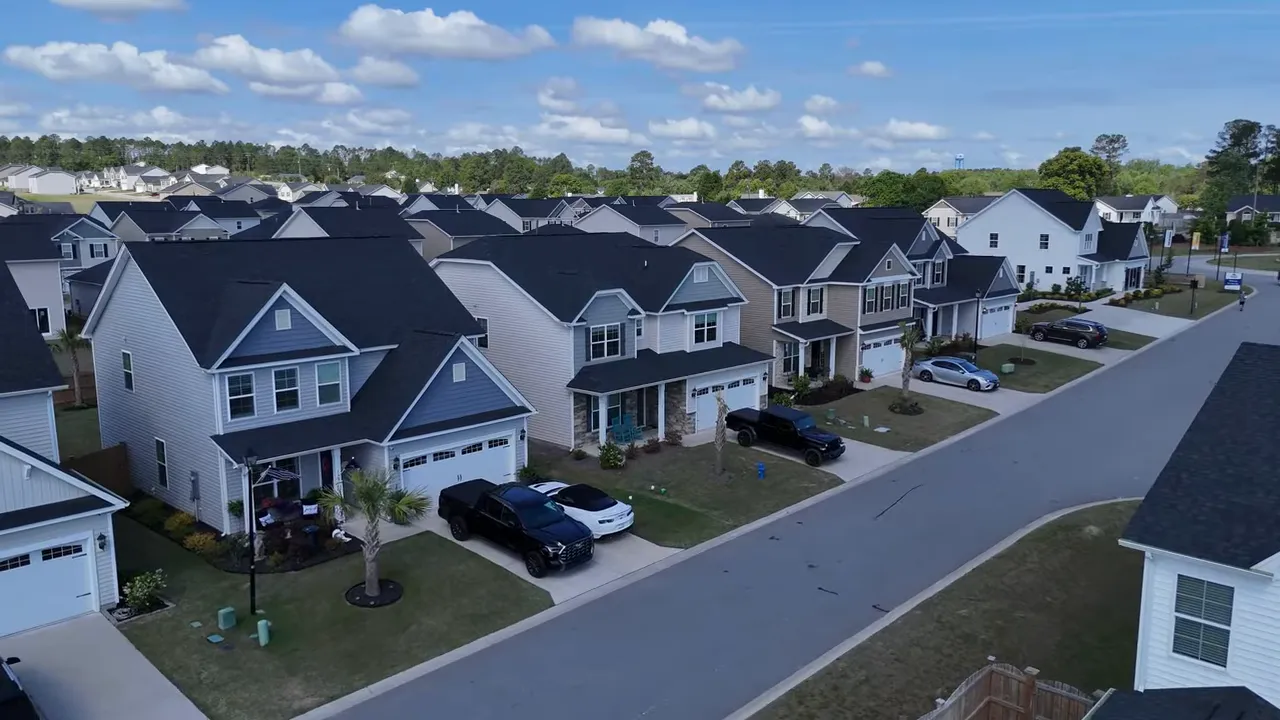
This is the tipping point for most relocating families. Yes, median prices are lower than many major metros, but what those numbers buy depends entirely on the neighborhood, home age, lot size, and amenities. Before you fall in love with a listing, decide which version of Columbia you want: new construction with amenities, lake life, acreage, historical in-town charm, or rural privacy. Each choice comes with trade-offs.
Neighborhood map: who buys what where
Key pockets to know when living in Columbia, SC:
- Lexington: Fast-growing suburb, top schools, quick access to Lake Murray; higher demand and prices.
- Redbank: More budget-friendly than core Lexington with new construction and heavier commercial corridors.
- Irmo and Chapin: Lake Murray communities with mixed vibes; Irmo is larger, Chapin has a small-town feel.
- Northeast Columbia: Master plan communities, golf courses, and dense new construction; ideal for commuters and newer homebuyers.
- Blythewood: Larger lots, semi-rural feel with rising values; more commute time possible.
- Rural outskirts (Elgin, Gaston, Hopkins, Gilbert): Lowest price per square foot and more land, but fewer amenities and longer drives.
New construction: prices and what to expect
Half of many out-of-state buyers eventually choose new construction for warranties and modern layouts. Typical ranges:
- Lexington/River Bluff areas: neighborhoods like Carriage Estates and Hendricks Farm run from high 300s to 500s. Saluda River Club ranges 400s to 900s depending on style.
- Redbank and South Lexington: Bluefield (200s–300s), Long View (300s–400s).
- Chapin and Irmo: Chapin Place and Pebble Branch 300s–500s; lake neighborhoods have higher price tags.
- Northeast Columbia: Ellington (200s–300s), Peony Orchard at Wood Creek Farms (400s–800s), Lake Carolina Harborside (800s).
- Rural new builds on land usually start in the 300s but come with long commutes; newer in-town land builds often run $600,000 and up.
Remember: median price is the market middle. If you want newer finishes, more land, lake access, or premium neighborhoods you will need to budget above the median.
Homes on acreage
If you want land, choices range from older starter homes on acreage to high-end custom estates. Examples from recent sales:
- Lake Murray corridor: small older homes on acreage can sell for $175,000; high-end estates can sell for over $1,000,000. Median for Lake Murray-adjacent acreage often sits mid-400s to mid-500s depending on proximity to water.
- Blythewood: median sale on acreage around $585,500, often delivering larger square footage.
- Elgin and Lugoff: median around $287,500 for homes on at least half an acre up to five acres, offering affordability with longer commutes.

Bottom line: acreage near town is priced. If you want acreage close to Lexington or Irmo you will likely pay a premium. Rural acreage offers value but requires trade-offs in amenities and travel time.
Lake Murray: ramps, slips, and true waterfront
Lake Murray living is a tiered market. Options include neighborhoods with community boat ramps, properties with deeded slips, and true lakefront homes. Median prices differ dramatically across those tiers.
- Neighborhoods with community ramps: median around $535,000, with sizes averaging near 2,900 square feet.
- Homes with deeded boat slips: median near $500,000; tighter lot sizes but direct access.
- True lakefront homes closer to Lexington/Chapin: median often above $1,000,000 for move-in-ready properties; rural County sides of the lake offer lower medians around $680,000.
Established in-town neighborhoods
Historic neighborhoods like Shandon, Forest Acres, Heathwood, and Rosewood sell for location and character more than raw square footage. Expect to pay a premium for walkability, mature trees, and proximity to downtown.
Recent stats show medians near $424,000 with average home sizes below 2,000 square feet — a trade-off of location and charm over yard size.
Practical tips if you are planning to move
- Use the county tax estimator for property and vehicle tax estimates before you make an offer. Local county sites are the most reliable source for mill rates and vehicle assessments.
- Decide whether the property will be primary or secondary residence. The tax difference can change your monthly budget dramatically.
- Run total cost scenarios: mortgage, homeowners insurance, vehicle property taxes, utilities, trash, water, and commuting costs. Include childcare if needed.
- Visit neighborhoods at different times of day to see traffic patterns, commute times, and local conveniences. What looks like a quiet street at noon can be a congested corridor during rush hour.
- If lake life matters, decide between a deeded slip, neighborhood ramp, or true waterfront. Each delivers a different cost and lifestyle payoff.
- Factor in entertainment travel if you want frequent big-city shows: Charlotte and Atlanta are drives away and that adds hotel and travel costs.
FAQs About Living in Columbia, SC
Is living in Columbia, SC more affordable than living in large coastal cities?
On many cost fronts, yes. Property taxes, median home prices, gas, and many groceries are typically lower than large coastal metros. However, hidden costs like vehicle property taxes, insurance, and the premium for lakefront or close-in neighborhoods can reduce the savings. Always run a complete cost comparison based on your specific lifestyle.
How much will vehicle property tax add to my annual costs?
That depends on vehicle assessments in your county and the number of vehicles you own. Example figures show an assessed truck at about $23,830 producing a $710 annual bill. For households with multiple high-value vehicles, total yearly vehicle property taxes can be several thousand dollars.
Are housing prices in Columbia still a good value?
Housing in Columbia offers a wide spectrum of value. If you prioritize land, rural areas provide more square footage per dollar. If you want proximity to downtown or lakefront living, expect to pay a premium. New construction and neighborhood amenities add cost, while older established neighborhoods offer charm for centrally located lifestyles. Identify which trade-offs matter to you before assuming median prices equal the dream home.
Do I need flood insurance in Columbia, SC?
Most inland Columbia properties are not in high flood zones, so flood insurance premiums are often lower than coastal areas. However, specific lots near waterways or low-lying areas can still require flood coverage. Check FEMA flood maps and lender requirements for the exact property you are considering.
How should I budget for utilities and ongoing home costs?
Expect higher electric use in summer and gas in winter. For a larger modern home using natural gas, a typical average combined energy bill might be around $200 per month, with peaks in winter and summer. Add water and sewer averages near $134 per month and trash service varying by municipality or separate billing. Factor in pest control, especially termite bonds, which could be around $46 a quarter for general pest services plus termites.
Final thoughts
Living in Columbia, SC can be a financial win for many people—especially those relocating from high-cost metros. Low property taxes, affordable groceries, reasonable homeowners insurance for inland homes, and competitive new construction all make it an attractive place to settle.
Still, the devil is in the details. Hidden recurring costs like vehicle property taxes, higher car insurance, and secondary-residence surcharges can quickly offset the savings if you’re not prepared. Housing is the biggest factor: the same budget can buy very different lifestyles across Lexington, Chapin, Northeast Columbia, Blythewood, and the rural outskirts.
Before you decide, do your homework—use local tax estimators, call daycares and utilities for real quotes, and visit neighborhoods at different times of day. Those few steps will save you time, money, and regret when you make your move.
And if you’re planning to move to Columbia, SC, let’s make your transition smooth and your investment smart. I’d love to guide you through the neighborhoods, numbers, and hidden details that truly matter.
Living in Columbia, SC can be a financial win for many people—especially those relocating from high-cost metros. Low property taxes, affordable groceries, reasonable homeowners insurance for inland homes, and competitive new construction all make it an attractive place to settle.
Still, the devil is in the details. Hidden recurring costs like vehicle property taxes, higher car insurance, and secondary-residence surcharges can quickly offset the savings if you’re not prepared. Housing is the biggest factor: the same budget can buy very different lifestyles across Lexington, Chapin, Northeast Columbia, Blythewood, and the rural outskirts.
Before you decide, do your homework—use local tax estimators, call daycares and utilities for real quotes, and visit neighborhoods at different times of day. Those few steps will save you time, money, and regret when you make your move.
And if you’re planning to move to Columbia, SC, let’s make your transition smooth and your investment smart. I’d love to guide you through the neighborhoods, numbers, and hidden details that truly matter. Call or text me at (803) 999-HOME to start your home search today.