Table of Contents
- Introduction
- 1. Moving to Columbia SC: Understanding the City's Layout
- 2. Moving to Columbia SC: Housing Costs and Tradeoffs
- 3. Choosing the Right Neighborhood in Columbia SC
- 4. Cost of Living in Columbia SC
- 5. Weather in Columbia SC: What to Expect
- 6. Is Moving to Columbia SC Right for You?
- How to Make a Smarter Move to Columbia SC
- FAQs About Moving to Columbia SC
Introduction
Moving to Columbia SC can look like an easy win online. We see affordable home prices, lower taxes than many high-cost states, a mild climate, a slower pace, and an inland location that is not usually dealing with direct coastal hurricane impact. Those were a lot of the same boxes that brought us to South Carolina more than a decade ago after only one visit.
But real life is different than a search result, a listing photo, or one drive through town. Moving to Columbia SC is less about finding the perfect neighborhood online and more about understanding the tradeoffs that fit how we actually want to live.
Columbia is not trying to be Charleston, Naples, Palm Springs, Franklin, or a polished master-planned community out West. It is a practical, everyday metro with plenty to offer the right person. The key is knowing what it is, what it is not, and where the surprises tend to show up.
1. Moving to Columbia SC: Understanding the City's Layout
One of the first surprises for people moving to Columbia SC is simply the lay of the land. Columbia is not a perfectly polished, copy and paste city where every entrance matches, every road is wide, and every shopping center was built alongside the neighborhood it serves.
This is a midsize metro made up of growing suburbs, older neighborhoods, rural pockets, new construction, strip malls, lake communities, college town energy, and government and military influence. It is all mixed together with a whole lot of trees.
Much of the growth happened around places that were already rural. Homes, farms, churches, older businesses, mobile homes, two-lane roads, and even dirt roads were already there before developers began building subdivisions around them. That means we can find a brand new neighborhood on one side of the road, a mobile home park beside it, a smaller 1970s subdivision across the street, a farm around the corner, and a new retail center a few minutes away.
For some people, that feels practical and normal. It is Southern growth. We are not paying for a perfectly curated version of life everywhere we go. For others, especially those coming from highly planned communities, it can feel jarring.
That is exactly why we should not judge Columbia from one neighborhood, one drive through, or one online opinion. Irmo, Forest Acres, Lexington, Blythewood, Chapin, Gilbert, Northeast Columbia, and downtown all have different personalities.
We have seen people arrive convinced that Lexington was their spot, only to decide the traffic, growth, and pace felt too busy. Then they drive through Chapin and it clicks almost immediately. Same general market, completely different daily experience. When moving to Columbia SC, the best area is not the area somebody online called the best. It is the version of Columbia that fits our lifestyle.

2. Moving to Columbia SC: Housing Costs and Tradeoffs
There is a reason so many people start researching moving to Columbia SC. In many ways, the home prices can still feel like a phenomenal deal. Finding homes around $300,000 is hard to believe for people coming from California, New York, New Jersey, and other expensive markets.
But affordability is always relative. Columbia may feel incredible compared with a high-cost market, while someone coming from another Southern city may be surprised by what a particular budget actually buys.
The issue is usually not whether we can buy a home here. The issue is whether we can buy our exact dream version of a home, in our preferred location, at our preferred price.
- A newer home with a larger lot close to major amenities
- Lake Murray access or a lake community
- Walkability and nearby restaurants or shops
- An updated older home with character
- Top school zones
- A polished neighborhood feel
- More land without a long drive
Those options exist, but they often come at a premium. A typical suburban home around the average price point may be roughly 2,000 to 2,200 square feet on a lot smaller than 0.2 acres. It may not include every upgrade, feature, or neighborhood amenity people have pictured.
For a $300,000 to $400,000 budget, yes, we can absolutely buy a home. But we need to ask a better question: What tradeoffs come with our budget?
Maybe we trade lot size for new construction. Maybe we trade proximity for more space. Maybe we choose an older home with character and accept more maintenance. Maybe we pay more for location, polish, lake access, or convenience.
South Carolina is not supposed to be a cheaper copy of wherever we are leaving. It is its own place. That mindset makes moving to Columbia SC a whole lot easier.
3. Choosing the Right Neighborhood in Columbia SC
Once people realize their preferred area may not work at the original budget, they often zoom out on the map and start what we call budget hunting. The search becomes bedrooms, square footage, yard size, and price first, with little thought about the daily lifestyle around the house.
We get why. A listing can look incredible. The yard is bigger. The photos are better. The house has the right number of bedrooms. On paper, it checks every box.
But if the original reason we wanted Lexington was schools, convenience, Lake Murray access, and the overall feel of that side of town, finding a cheaper house in Elgin does not automatically solve the problem. Elgin may be a great fit for some people. It is just not Lexington.
Something can look close on a map and still not live close in real life. A 45 minute drive in another suburban area may be mostly highway, wide roads, and predictable traffic. Around Columbia, depending on the route, it may involve two-lane roads, stop signs, roundabouts, school traffic, construction, and stretches that feel more disconnected than the map suggests.
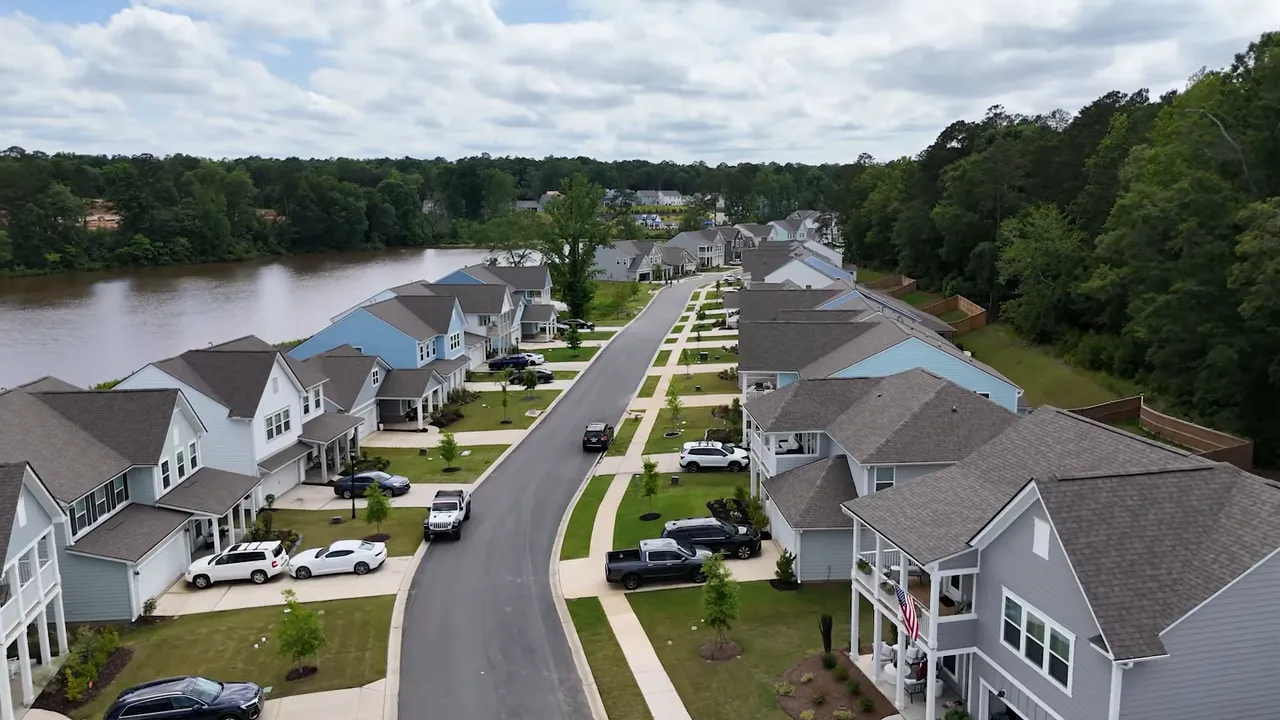
Before moving to Columbia SC, we should rank our priorities in order:
- Location and daily convenience: Where do we need to be regularly?
- Home type: Do we value a newer house, character, land, or low maintenance?
- Budget: What payment and ownership costs are truly comfortable?
- Non-negotiables: Schools, lake access, commute, walkability, or neighborhood feel.
- Tradeoffs: What are we honestly willing to give up?
A good deal is not a good deal if we end up frustrated by the drive, the location, or the lifestyle every single day.
4. Cost of Living in Columbia SC
Moving to Columbia SC can still reduce overall costs for plenty of households. But we need to look beyond the listing price and estimated mortgage payment. Some expenses catch newcomers off guard months after closing.
Vehicle Property Tax
South Carolina charges annual property tax on vehicles. That includes cars and can also include boats and RVs. For people coming from a state where this is not normal, it can feel very strange. It is not a one-time sales tax. It is property tax paid every year.
Utilities
Utilities are not necessarily wildly out of line, but Southern weather changes how much we use them. Summer heat and humidity can mean the air conditioning runs more than expected. Water and sewer bills can also climb if we are watering a lawn heavily.
Winter is mild compared with much of the country, but it still gets cold enough for the heat to run during part of the year. The surprise is often usage, not just the rate.
Property Tax Rules Matter
South Carolina provides a significant property tax benefit when a home is our primary residence. That is one reason taxes can look attractive during a home search. But we should not rely on a real estate website to tell us exactly what our future tax bill will be.
The tax number displayed online may reflect an older assessed value, a capped value, a prior ownership situation, or a non-primary residence tax setup. Non-primary residence taxes can be four to five times higher locally. That matters a lot if we are considering buying now but not moving for a year or two, or if we are purchasing an investment property.
Car Insurance
Insurance is another item that depends on where we are moving from. It may be less expensive for some households, but it is not always the savings people expect. When planning a move, get actual insurance quotes and property tax guidance before building the budget around online estimates.
5. Weather in Columbia SC: What to Expect
For many people moving to Columbia SC, the weather is a fair trade. We are not dealing with months of snow, and there are some phenomenal days throughout the year, including winter. But summer is different, especially for anyone coming from a dry climate or a place with mild summers.
It gets hot. It gets humid. That wall of heat in July can change how we plan the day. We may run errands earlier, spend more afternoons indoors, and care a whole lot more about shade, a screened porch, a pool, the age of the HVAC system, and whether the backyard gets blasted by afternoon sun.
Columbia is inland, so it is not usually facing the same direct hurricane exposure as coastal South Carolina. That does not mean weather is a non-issue. Hurricane Hugo pushed far inland and affected Columbia and even Charlotte. Storm systems can still bring wind, heavy rain, and disruptions to the area.
For day-to-day life, Southern thunderstorms are often the bigger adjustment. A calm afternoon can turn into heavy rain, loud thunder, wind, power outages, flash flooding, and a tornado warning on the phone in a hurry. Some properties are also in flood plains, so that is a detail worth taking seriously during any home search.
Columbia is not Tornado Alley, and this is not a reason to panic. The weather is manageable for most people. It is simply part of the lifestyle, and moving to Columbia SC goes smoother when we treat it that way from day one.
6. Is Moving to Columbia SC Right for You?
The biggest disappointment comes when we are not comparing Columbia to Columbia. We are comparing it to the best parts of every other place we have liked.
We want West Coast weather, Southern values, Pacific Northwest charm, Florida resort living, an HGTV downtown, a brand new home, a large lot, a short commute, trails, shops, restaurants, golf carts, and an affordable Columbia price point. We get it. We all want that dream every once in a while.
The problem is that many of those things compete with each other, and that is true in every city.
- More convenience can mean less space and more traffic.
- More land on a budget often means going farther out.
- More polish usually means spending more.
- More character can mean more maintenance and updating.
- More walkability can mean giving up yard space.
- More amenities can mean a busier, more crowded setting.
There are charming pockets around Columbia. There are lake communities, established neighborhoods with character, new communities with amenities, quieter areas, polished areas, and convenient areas. What we may not find everywhere is the full Southern Living magazine version of a small town, where every street is picture perfect and every need is five minutes away.
The same goes for non-HOA neighborhoods. No HOA can mean more freedom, larger lots, and fewer restrictions. It can also mean there is nobody enforcing standards when a property needs siding, cars are parked in the grass, or the neighborhood does not look as maintained as expected. Neither option is automatically better. It depends on what matters to us.
If the goal is a flashy social media backdrop, Columbia probably is not the strongest choice. Charleston may win that contest if the budget works. But if we value a slower pace, practical daily life, more space, easier traffic than larger metros, accessible housing, and access to Lake Murray, the beach, the mountains, Charlotte, Asheville, and Charleston without paying those prices every day, then moving to Columbia SC can make a lot of sense.
Columbia is not really a postcard city. It is an everyday life city. For the right person, that is exactly the point.

How to Make a Smarter Move to Columbia SC
Before committing to moving to Columbia SC, take the time to see several versions of the metro, not just the neighborhood that ranked highest in an online search. Drive the routes that would shape daily life. Consider how the area feels on a normal weekday, where groceries and appointments are, and what the commute is actually like.
Most importantly, choose based on lifestyle rather than averages. There is no single answer to the best area, safest area, most affordable area, best school area, area with land, walkability, and proximity to everything. Those priorities often pull in different directions.
Columbia can feel easier, slower, more affordable, and more practical than people expect. It can also feel too spread out, too humid, too quiet, or not polished enough for someone who wants a different kind of city. That is not a good versus bad argument. It is a priorities argument.
When we choose the real Columbia instead of an imagined version of it, moving to Columbia SC becomes a decision we can feel good about for the long haul.
FAQs About Moving to Columbia SC
Is moving to Columbia SC a good idea for families and retirees?
It can be a great fit for families and retirees who prioritize a slower pace, practical daily living, accessible housing, and a mild climate. The right fit depends on the desired neighborhood style, budget, schools, commute, and tolerance for summer heat and humidity.
How much home can we expect to buy in Columbia?
Homes around $300,000 to $400,000 are available, but that budget may involve tradeoffs in lot size, location, age, upgrades, lake access, walkability, school zone, or neighborhood polish. Typical suburban homes near the average price point may be around 2,000 to 2,200 square feet on lots smaller than 0.2 acres.
Are property taxes low in Columbia SC?
Primary residences can receive a major property tax benefit in South Carolina. However, online tax estimates may not match a future bill because they can reflect a previous assessed value, ownership situation, or non-primary residence rate. Non-primary residence taxes can be substantially higher.
Do we pay property tax on cars in South Carolina?
Yes. South Carolina charges annual personal property tax on vehicles. Boats and RVs may also be subject to annual property tax, so this should be included in any relocation budget.
Does Columbia get hurricanes and flooding?
Columbia is inland and is not usually exposed to the same direct hurricane impacts as the coast, but inland storms can still bring wind and heavy rain. Thunderstorms, power outages, flash flooding, flood plains, and occasional tornado warnings are part of the regional weather picture.
What is the biggest mistake people make when moving to Columbia SC?
The biggest mistake is choosing a home only because it looks like a bargain online. A lower priced house on the wrong side of town can create a daily lifestyle problem if it does not match the reasons we wanted a particular area in the first place.
If you’re considering buying in Columbia, use this guide to narrow your priorities first—then let’s match those tradeoffs to the right neighborhoods and homes for you. Call/text me at 803-999-4663 to talk through budget, location, and what “good deal” really means in the area you’re aiming for.
READ MORE: What's Changing Around Lake Murray SC? A Complete Living Guide