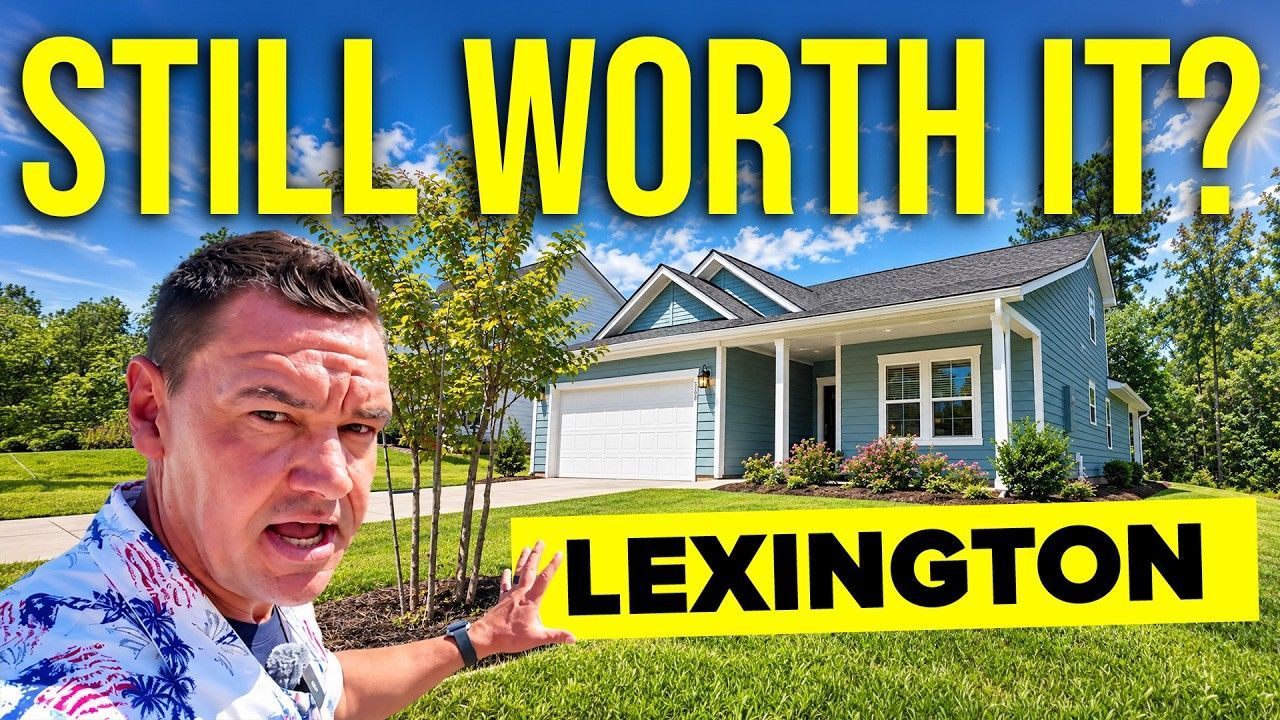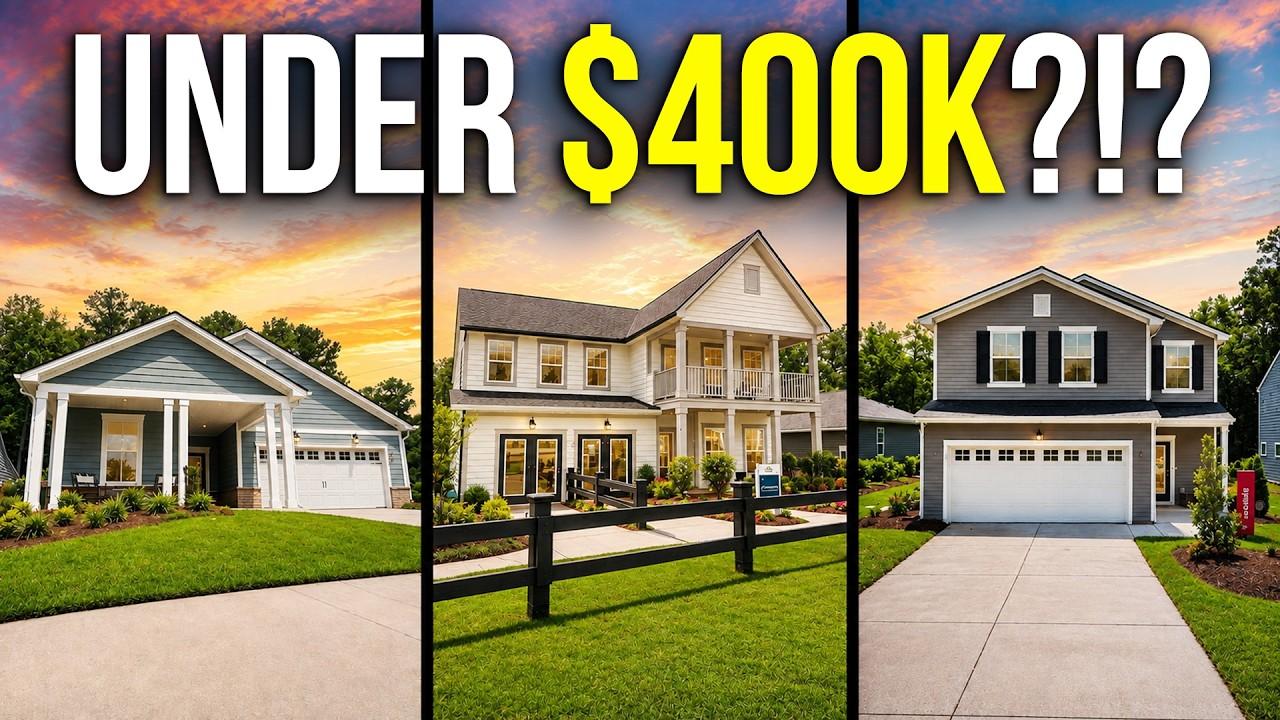
Moving to Columbia SC? Know These Areas First
I've filmed dozens of neighborhood tours around Columbia, and I keep hearing the same story from buyers who moved here without understanding the market first. They found a house online that looked perfect, made an offer sight unseen, and then realized six months later that their commute was brutal, or the neighborhood didn't match their lifestyle, or they paid for lake access they never use. Columbia isn't one market. It's a collection of distinct communities that each offer something different, and choosing the wrong one costs you more than money, it costs you time, stress, and the daily experience of living here.
This guide covers the Columbia area the way I explain it to relocation clients: Lexington, Lake Murray, Irmo, Chapin, Ballentine, Red Bank, Gilbert, Batesburg-Leesville, Northeast Columbia, Elgin, Blythewood, Hopkins, Camden, and Prosperity. Some of these places sit twenty minutes apart but feel like different states. Some share a school district but have completely different price points and commutes. If you're relocating to South Carolina from another state, or you're a first-time buyer trying to figure out where your budget goes furthest, you need to understand these differences before you start touring homes.
Columbia real estate isn't just about square footage and finishes. It's about whether you want to be on the water or near downtown, whether you're willing to trade a longer commute for more land, and whether the community you're considering actually matches the lifestyle you're trying to build. I'm going to walk you through what each area offers, what your budget realistically buys, and the trade-offs that matter when you're deciding where to live.
Table of Contents
- Understanding the Columbia SC Market Before You Move
- Lexington: Suburban Growth and School Access
- Lake Murray Communities: Waterfront Living and Recreation
- Irmo and Chapin: Commute and Lifestyle Trade-Offs
- Northeast Columbia, Elgin, and Blythewood: Space and Value
- Smaller Towns: Red Bank, Gilbert, Batesburg-Leesville, and Beyond
- What Relocation Buyers Get Wrong When Searching Online
- Which Columbia Area Fits Your Budget and Goals
- Conclusion: Making the Right Move to Columbia SC
Understanding the Columbia SC Market Before You Move
Columbia isn't a city where you can pick any neighborhood and expect the same experience. The metro area sprawls across multiple counties, and each community developed around different anchors, some around the lake, some around schools, some around commute access to Fort Jackson or downtown Columbia. What you can afford in one area buys you something completely different ten miles away.
The biggest mistake I see from out-of-state buyers is treating Columbia like a single market. They search by price range, find a house they like, and assume the location will work itself out. Then they move here and realize their commute is forty-five minutes each way, or the neighborhood is still building out and doesn't have the amenities they expected, or they're paying for lake access but the public ramps are crowded and the private docks cost extra.
Location matters more than the house. I've had clients fall in love with a specific floor plan, buy it in the wrong community, and regret it within a year. The house was fine. The location didn't fit their daily life. If you work downtown, living in Chapin means you're spending two hours a day in the car. If you want walkable neighborhoods and local restaurants, some of the newer subdivisions won't give you that for another five years. If you're moving here for the lake, you need to understand the difference between lake access and true waterfront, and what that costs.
Columbia's housing market has seen significant growth, especially in the suburbs. Inventory fluctuates, and what's available in one area might be completely different from what's listed in another. Your budget, your commute, and your lifestyle priorities need to align before you start making offers. Let's break down what each area actually offers.
Lexington: Suburban Growth and School Access
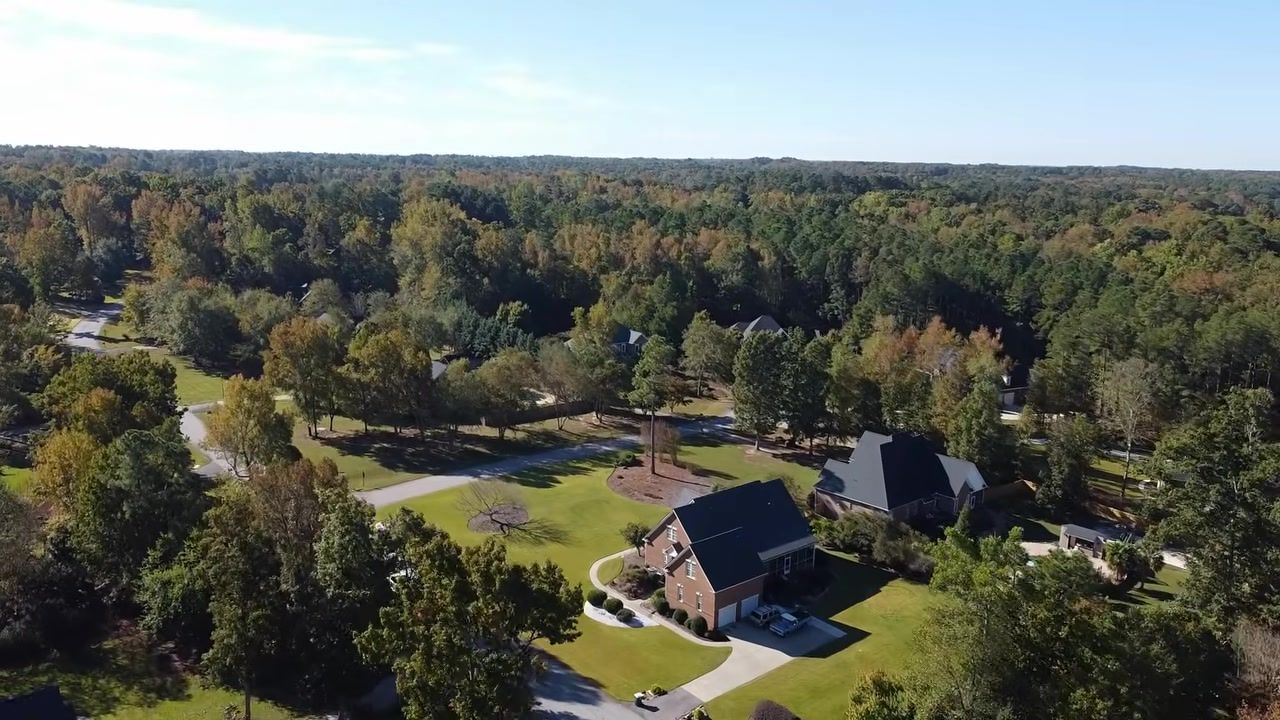
Lexington sits just west of Columbia and has become one of the most popular areas for families relocating to the metro. The draw here is straightforward: Lexington School District One has a strong reputation, and the area offers a suburban feel with shopping, restaurants, and newer neighborhoods. If you're moving to Columbia with school-age children, Lexington is probably already on your list.
The trade-off is density and commute. Lexington has grown fast, and that growth shows up in traffic, especially during rush hour on I-20 and US-1. If you work in downtown Columbia or on the northeast side of town, you're looking at a thirty-to-forty-minute commute depending on where in Lexington you live. Some buyers are fine with that. Others underestimate how much that daily drive adds up.
Lexington isn't one neighborhood, it's a collection of subdivisions at different price points. You'll find newer construction in the $300,000s and $400,000s, and older established neighborhoods closer to downtown Lexington that offer more mature trees and larger lots. The newer builds tend to be in master-planned communities with pools and playgrounds, but you're also dealing with ongoing construction and streets that aren't fully built out yet.
Shopping and dining are strong here. You're close to Lexington's downtown area, which has local restaurants and shops, and you're also near Harbison, one of the largest retail and dining districts in the metro. If you want suburban convenience and you're willing to deal with the commute and the growth, Lexington works. If you want a quieter, more established feel, you'll need to look at specific pockets within Lexington or consider other areas entirely.
Lake Murray Communities: Waterfront Living and Recreation
Lake Murray is the defining feature of the western side of the Columbia metro, and it's why a lot of people move here. The lake offers boating, fishing, and a recreation-focused lifestyle that you don't get in the more suburban or urban parts of town. Communities around Lake Murray range from waterfront estates to neighborhoods with lake access, and the price difference between those two is significant.
True waterfront property, where you own a dock and have direct lake access from your backyard, starts in the high $400,000s and goes well into the millions depending on the location and the size of the lot. Lake access, on the other hand, means the neighborhood has a community dock or boat ramp, but your house isn't on the water. That's a more affordable option, typically in the $300,000s to $400,000s, but you're sharing amenities with the rest of the neighborhood, and during peak season, those ramps and docks get crowded.
The lake lifestyle isn't for everyone. If you're buying here because you want to be on the water every weekend, it's worth it. If you think you might use the lake occasionally but you're not sure, you're paying a premium for something you may not fully utilize. I've had clients buy in lake communities, use the boat twice, and realize they would have been happier in a neighborhood with a pool and trails.
Commute is another factor. Lake Murray communities are spread out, and depending on where you are relative to the dam or the northern shore, your drive to Columbia can range from twenty minutes to over forty. If you work downtown or on the east side of town, that's something to factor in. The lake is beautiful, but it's not close to everything.
Irmo and Chapin: Commute and Lifestyle Trade-Offs
Irmo and Chapin sit on the northwestern side of the metro, and they're often grouped together, but they offer different experiences. Irmo is closer to Columbia and Harbison, which means a shorter commute and more immediate access to shopping and dining. Chapin is farther out, closer to the lake, and feels more like a small town.
Irmo has a mix of older neighborhoods and newer developments. You'll find ranch homes from the '70s and '80s on larger lots, and you'll also find newer construction in the $350,000 to $500,000 range. The area has good access to I-26, which makes the commute to downtown Columbia or Lexington more manageable than some of the farther-out lake communities. Irmo also has its own small downtown area with local shops and restaurants, and you're close to Harbison for bigger retail needs.
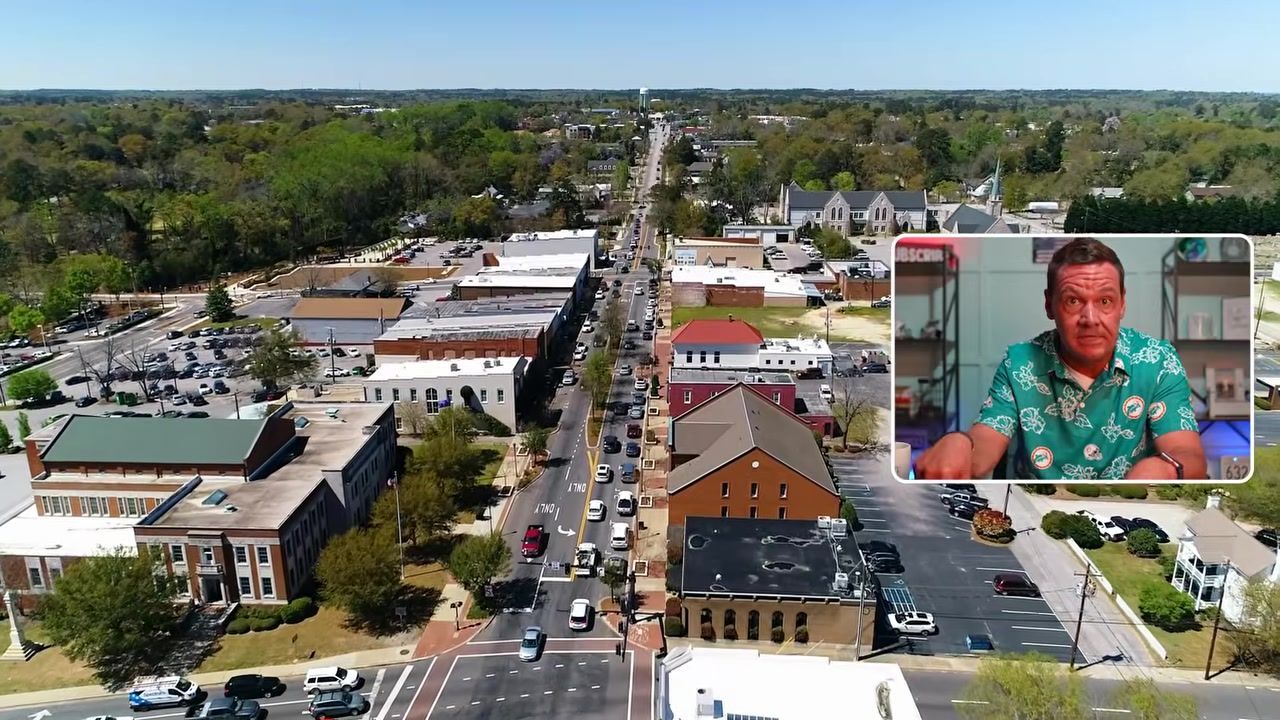
Chapin is quieter and more spread out. It's a lake town, and a lot of the appeal here is the slower pace and the proximity to Lake Murray. The trade-off is commute. If you work in Columbia, you're looking at thirty-five to forty-five minutes each way, and that's assuming no traffic. Chapin works well if you're retired, if you work remotely, or if your job is on the western side of the metro. If you're commuting downtown daily, it's a long haul.
Both areas fall under Lexington-Richland School District Five, which serves the lake region. The district is smaller than Lexington One or Richland Two, and it's worth researching current ratings and programs if schools are a priority. Some buyers love the small-town feel of Chapin and the lake access. Others realize after a year that they're spending too much time in the car and not enough time enjoying the lifestyle they moved here for.
Northeast Columbia, Elgin, and Blythewood: Space and Value
The northeast side of the metro, Northeast Columbia, Elgin, and Blythewood, offers more space and better value per square foot than the western suburbs. If you want land, a larger lot, or a newer home without paying lake premiums, this is where your budget stretches furthest.
Northeast Columbia includes neighborhoods near Fort Jackson and along I-77 toward Blythewood. You'll find a mix of older homes and newer construction, and the area has seen growth as buyers look for affordability and space. The commute to downtown Columbia is shorter than from the lake communities, typically fifteen to twenty-five minutes depending on where you are.
Elgin sits farther east and offers a more rural feel. You'll find larger lots, some acreage properties, and a quieter pace. The trade-off is distance from shopping and dining, you're driving into Columbia or Blythewood for most errands. Elgin works well if you want space and privacy and you don't mind the drive.
Blythewood is one of the fastest-growing areas in the metro. It's about twenty-five minutes north of downtown Columbia on I-77, and it offers newer neighborhoods, good access to Fort Jackson, and a small-town feel with local shops and restaurants. The area has seen a lot of new construction in the $300,000s to $400,000s, and you're getting more square footage and lot size than you would in Lexington or Irmo at the same price.
The northeast side doesn't have the lake, and it doesn't have the same density of shopping and dining as Harbison or Lexington. What it does have is value, space, and a shorter commute if you work downtown or at Fort Jackson. If those are your priorities, this side of town is worth serious consideration.
Smaller Towns: Red Bank, Gilbert, Batesburg-Leesville, and Beyond
Red Bank, Gilbert, Batesburg-Leesville, Hopkins, Camden, Prosperity, and Ballentine are smaller communities on the outskirts of the metro. These towns offer a more rural lifestyle, larger lots, and lower price points, but they come with longer commutes and fewer immediate amenities.
Red Bank and Gilbert are close to Lexington and offer a quieter, more established feel. You'll find older homes on larger lots, and the area appeals to buyers who want space without the density of the newer subdivisions. The commute to Columbia is manageable, typically thirty to forty minutes depending on traffic.
Batesburg-Leesville sits farther west and feels more like a small Southern town. You're getting more land for your money, and the pace is slower. The trade-off is distance, you're forty-five minutes to an hour from Columbia, and you're driving for most shopping and dining. This area works well if you're retired, if you work remotely, or if you're looking for acreage and don't mind the drive.
Camden is northeast of Columbia and offers a historic downtown, equestrian culture, and a small-town feel. It's about thirty-five to forty minutes from Columbia, and it appeals to buyers who want a distinct community identity and don't need to be in the metro daily.
Prosperity, Hopkins, and Ballentine are smaller communities that offer affordability and space. They're farther out, and they don't have the same level of development or amenities as the closer suburbs. If you're looking for land, privacy, and a lower cost of living, these towns are worth exploring. If you need walkability, nearby shopping, or a short commute, they're probably not the right fit.
What Relocation Buyers Get Wrong When Searching Online
The biggest mistake I see from relocation buyers is searching by house features and ignoring location. They filter by price, square footage, and number of bedrooms, find a house they like, and assume the location will work. Then they move here and realize the commute is longer than they expected, or the neighborhood is still under construction, or they're thirty minutes from the grocery store.
Another common mistake is overvaluing lake access. Buyers see "lake community" in the listing and assume that means waterfront. It doesn't. Lake access usually means a community dock or boat ramp, and during the summer, those amenities are crowded. If you want true waterfront, you need to search specifically for that, and you need to budget accordingly.
Buyers also underestimate how much commute matters. A thirty-minute drive doesn't sound bad until you're doing it twice a day, five days a week, in traffic. If you work downtown or on one side of the metro, living on the opposite side adds hours to your week. That time adds up, and it affects your quality of life.
Finally, buyers often skip the step of visiting the area before they buy. They rely on online photos and virtual tours, and they miss details that matter, how the neighborhood feels, what the traffic is like, whether the amenities are actually usable. If you're relocating to Columbia, plan a trip to tour neighborhoods in person. Drive the commute at rush hour. Visit the grocery stores and restaurants. See what the area feels like on a weekday, not just in photos.
Which Columbia Area Fits Your Budget and Goals
Choosing the right area comes down to three things: your budget, your commute, and your lifestyle priorities. If schools are your top priority, Lexington is the obvious choice, but you'll pay for that in traffic and density. If you want the lake lifestyle and you're willing to pay for it, Lake Murray communities offer recreation and waterfront access, but you'll deal with a longer commute and higher prices.
If you want value and space, the northeast side, Blythewood, Elgin, Northeast Columbia, gives you more square footage and lot size for your budget, and the commute to downtown is shorter than from the lake. If you want a small-town feel and you're willing to drive, the smaller communities like Chapin, Batesburg-Leesville, and Camden offer a slower pace and more land.
Here's how I'd break it down:
- Choose Lexington if schools are your top priority and you're okay with suburban density and a moderate commute.
- Choose Lake Murray communities if you want waterfront or lake access and recreation is a key part of your lifestyle.
- Choose Irmo if you want a balance between lake proximity and a shorter commute to Columbia.
- Choose Chapin if you want a small-town feel, lake access, and you work remotely or don't commute daily.
- Choose Blythewood or Northeast Columbia if you want value, space, and a shorter commute to downtown or Fort Jackson.
- Choose Elgin or the smaller towns if you want land, privacy, and a rural lifestyle, and you're okay with driving for amenities.
Your budget will also dictate where you can realistically buy. The $300,000s get you a newer home in Lexington, Blythewood, or a lake-access community, but not waterfront. The $400,000s open up more options in Irmo, larger homes in Lexington, and some waterfront possibilities. Above $500,000, you're looking at true waterfront, larger lots, or custom homes in established neighborhoods.
Conclusion: Making the Right Move to Columbia SC
Columbia is a great place to live if you choose the right area. The metro offers affordability, access to the lake, a growing job market, and a range of neighborhoods that fit different lifestyles. The key is understanding what each area offers before you start making offers on homes.
I've seen too many buyers rush the process, pick a house based on photos, and regret the location later. The house is important, but the location determines your daily experience, your commute, your access to amenities, your lifestyle. If you're serious about relocating to Columbia, take the time to research neighborhoods, visit in person, and talk to someone who knows the market.
If you're planning a move to Columbia and you want help figuring out which area fits your budget and goals, let's talk. I work with relocation buyers every week, and I can walk you through what each community offers, what your budget realistically buys, and what the trade-offs are. Call or text me at 803-999-4663, and discuss your move.
FAQ: Moving to Columbia, South Carolina
What is the cost of living in Columbia SC compared to other states?
Columbia's cost of living is lower than most major metros, especially if you're relocating from the Northeast or West Coast. Housing is more affordable, property taxes are reasonable, and you're getting more space for your money. The trade-off is that salaries can be lower depending on your industry, so it's worth comparing your total financial picture before you move.
How long is the commute from Lake Murray to downtown Columbia?
It depends on where you are around the lake. Communities closer to the dam or on the eastern shore are about twenty to twenty-five minutes from downtown. Communities on the northern or western shore, especially near Chapin, can be thirty-five to forty-five minutes. Traffic on I-26 during rush hour adds time, so plan accordingly.
Are there walkable neighborhoods in Columbia SC?
Columbia isn't a highly walkable city overall, but some neighborhoods offer more walkability than others. Downtown Columbia has walkable streets with restaurants and shops. Older neighborhoods in Lexington and Irmo have sidewalks and local amenities within walking distance. Newer suburban developments are more car-dependent, and you'll be driving for most errands.
What should I know about schools before moving to Columbia?
Columbia has multiple school districts, and quality varies by area. Lexington School District One has a strong reputation and is a major draw for families. Richland Two serves Northeast Columbia and Blythewood and also has well-regarded programs. Lexington-Richland Five serves the lake region and is smaller. Research current ratings and visit schools in person, as online rankings don't always reflect the full picture.
Is Lake Murray worth the premium if I'm not sure I'll use it?
If you're not certain you'll use the lake regularly, I'd be cautious about paying the premium. Lake access and waterfront properties cost more, and if you're not boating or spending weekends on the water, you're paying for something you're not using. Consider renting near the lake first or choosing a neighborhood with a pool and trails instead.
What are the pros and cons of living in Blythewood SC?
Blythewood offers newer construction, good value, and a shorter commute to downtown Columbia and Fort Jackson. You're getting more space and square footage for your budget compared to Lexington or the lake. The downside is that it's still growing, so some areas are still building out, and you don't have the same density of shopping and dining as the western suburbs. If you want space and value and you're okay with a developing area, Blythewood is a strong option.
Brandon Garon
We provide honest and transparent insights into relocating to the Midlands of South Carolina. Brandon's mission is to help you confidently decide if South Carolina is right for you—without hidden fees or sales pitches.
Call / Text: 803-999-4663


Recent Posts