Table of Contents
- Introduction to Living in Columbia SC
- Best Places to Live in Columbia SC
- Cost of Living in Columbia SC
- Daily Life in Columbia SC
- 7 Things to Know About Living in Columbia SC
- Is Living in Columbia SC Right for You?
- FAQs About Living in Columbia SC
Introduction to Living in Columbia SC
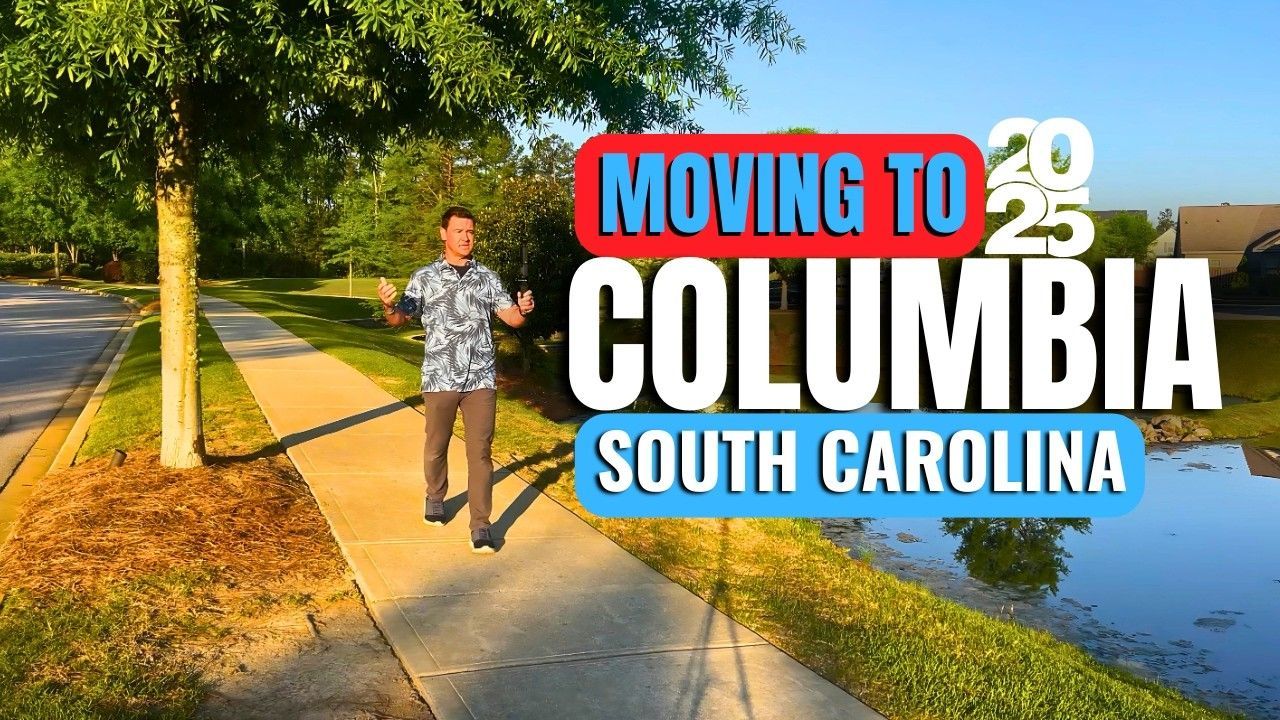
Living in Columbia SC can be a great move, but it is not one of those places where a quick home search tells you the whole story. You can find more space, a slower pace, Lake Murray access, established neighborhoods, and homes that may feel far more attainable than in many larger markets. But the area is not one-size-fits-all, and the trade-offs matter.
The question is not simply whether Columbia is affordable or whether it has nice neighborhoods. The better question is: what does your budget and daily life actually look like here? That answer changes dramatically depending on where you land, what you need to be close to, and how much driving, heat, or small-city pace you are comfortable with.
Key Takeaways
- Columbia offers distinct lifestyles, from downtown and walkable in-town areas to lake communities, growing suburbs, and rural outskirts.
- Housing can be affordable, but primary residence rules, vehicle property taxes, commute patterns, and home condition affect the true cost.
- The biggest lifestyle considerations are summer humidity, driving, mixed development, inland storm effects, and building a new support system.
Best Places to Live in Columbia SC
Columbia is really a collection of different lifestyles sitting close together. Online, they can look fairly similar. In person, they feel very different. The best places to live in Columbia SC depend on whether you want walkability, a newer neighborhood, a large lot, lake access, mature trees, an HOA community, or a convenient commute.
Downtown, Forest Acres, Shandon, And Heathwood
Downtown Columbia brings the University of South Carolina, the South Carolina State House, restaurants, events, and more city energy. Just keep expectations realistic. This is not a massive, high-rise urban environment with condo living in every direction. Much of the downtown residential activity is concentrated around the university, although more housing options are beginning to appear.
About 10 to 15 minutes outside downtown, Forest Acres, Shandon, and Heathwood are closer-in options with mature trees, established streets, older homes, character, convenience, and more genuine walkability. These are often hidden gems for people who want an in-town lifestyle without living directly downtown.
The trade-off is that inventory can be tight and pricing can be higher than expected. Older homes may also have layouts that do not match modern preferences. Some have been beautifully renovated. Others will need updating.
Lexington And Irmo
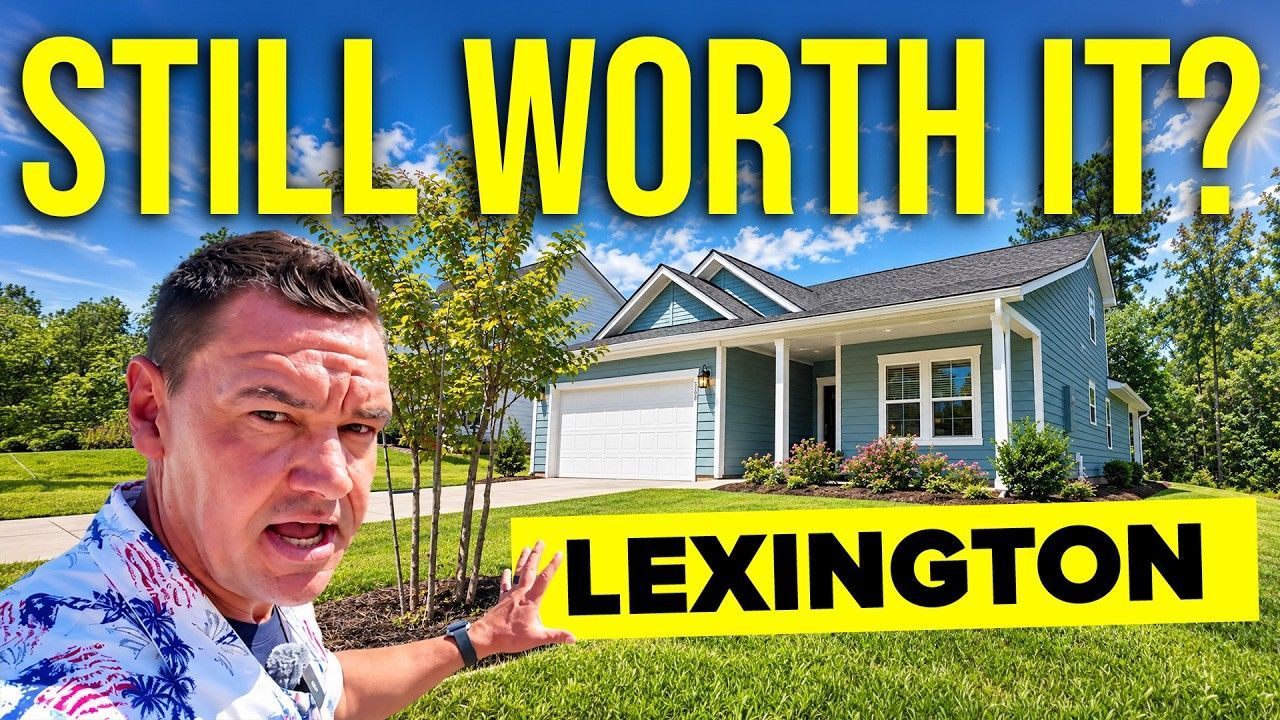
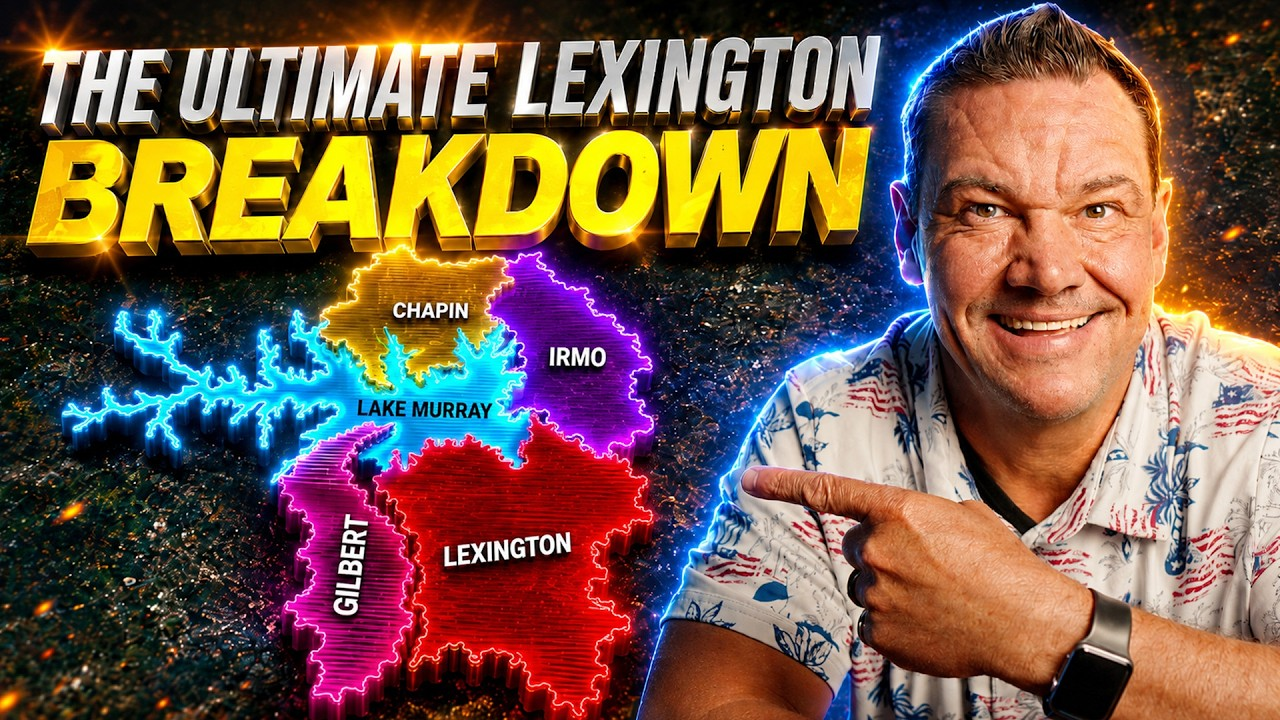
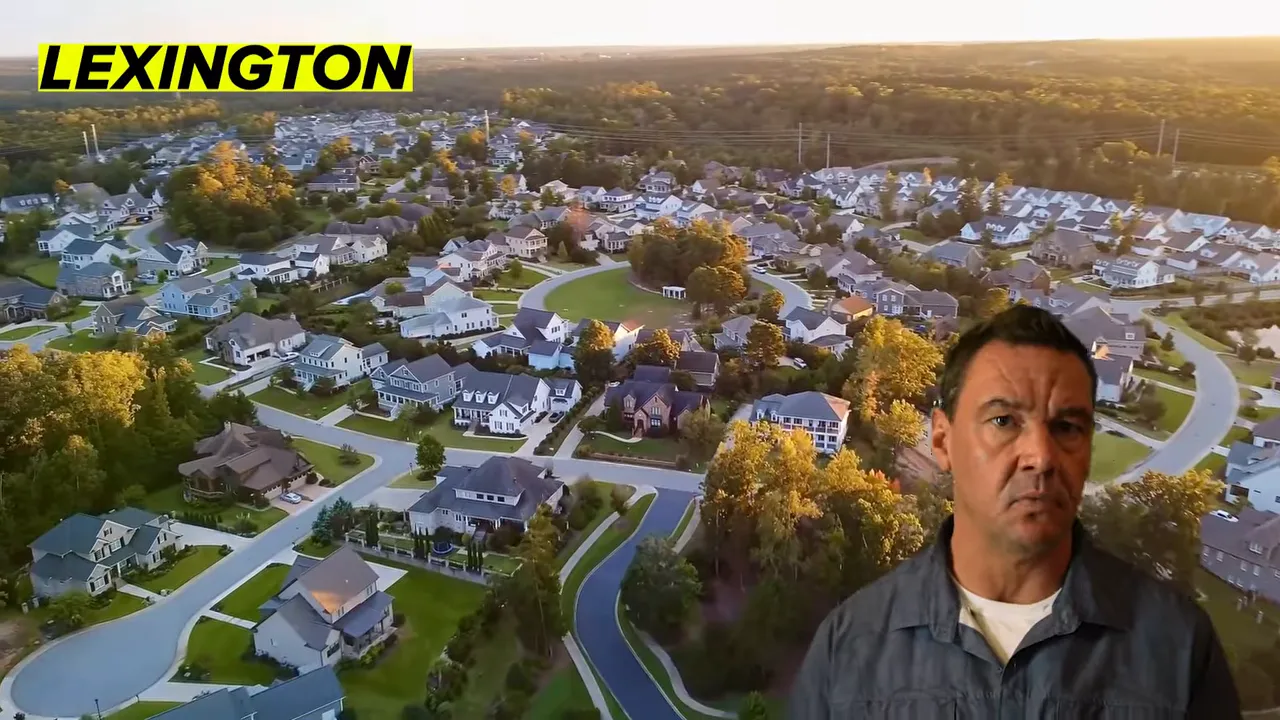
Lexington is one of the most sought-after suburban choices around Columbia. It blends a small-town feel with shopping, restaurants, schools, established neighborhoods, new construction, and close proximity to Lake Murray. It also has demand, competition, traffic, and pricing pressure, especially closer in.
Further out in Lexington, neighborhoods become more spread out, new construction becomes more available, and affordability can improve. In some directions, though, Lexington becomes far more rural than people expect, with farmland and open acreage still part of the landscape.
Irmo has a different personality. You can find older subdivisions without an HOA, mature trees, established streets, and more character. You can also find newer communities with amenities and HOAs, plus larger wooded lots in more rural-feeling pockets.
Irmo stands out for convenience. The Harbison corridor provides major shopping, the local mall, Costco, Trader Joe's, interstate access, and a practical location for getting around the region.
Chapin, Northeast Columbia, Blythewood, And West Columbia
Chapin is a love-it-or-leave-it kind of place. It delivers a small-town lake-area feel, easier access to Lake Murray, marinas, boat ramps, and opportunities to live near or on the water. In some cases, lake options can be more budget-friendly than comparable choices in Lexington.
The compromise is convenience. Downtown Chapin covers daily basics, local restaurants, schools, and groceries, but the exact cove, neighborhood, or side of town can make a major difference in the drive to larger shopping corridors or downtown Columbia.
Northeast Columbia offers a more modern suburban experience, with larger roads, shopping centers, parks, restaurants, sidewalks in many communities, master-planned neighborhoods, golf course communities, schools, and newer homes. Lake Carolina, for example, has a distinct neighborhood lifestyle built around parks, golf carts, and a private lake.
Do not assume every Northeast Columbia community is alike. One neighborhood may have homes around $600,000 with a country club feel, while another nearby may average closer to $300,000 with no amenities. Traffic and congestion also need to be considered if commuting is part of your routine.
Blythewood has received plenty of attention because of newer communities, golf course neighborhoods, growth, space, and access toward Columbia or Charlotte. Still, it remains rural at its core. One home may be minutes from restaurants and groceries. Another may require a long drive down two-lane roads before you reach much of anything.
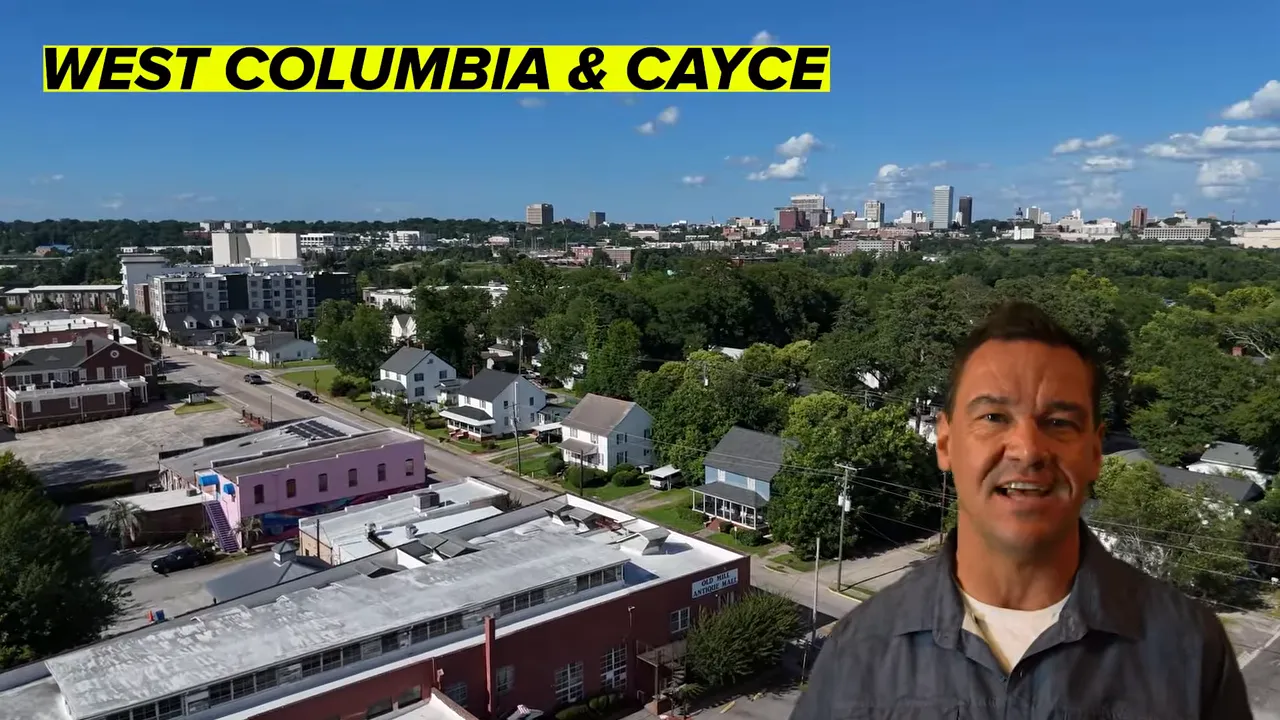
West Columbia and Cayce appeal to people seeking older homes, coffee shops, restaurants, the Riverwalk, the Avenues, the River District, and a closer-in lifestyle. Money can stretch further here than in some in-town areas, but this is not the same as buying in a uniform new subdivision. Expect older homes, fewer HOAs, less of the cul-de-sac-and-pool setup, and some areas that feel more transitional than others.
Cost of Living in Columbia SC
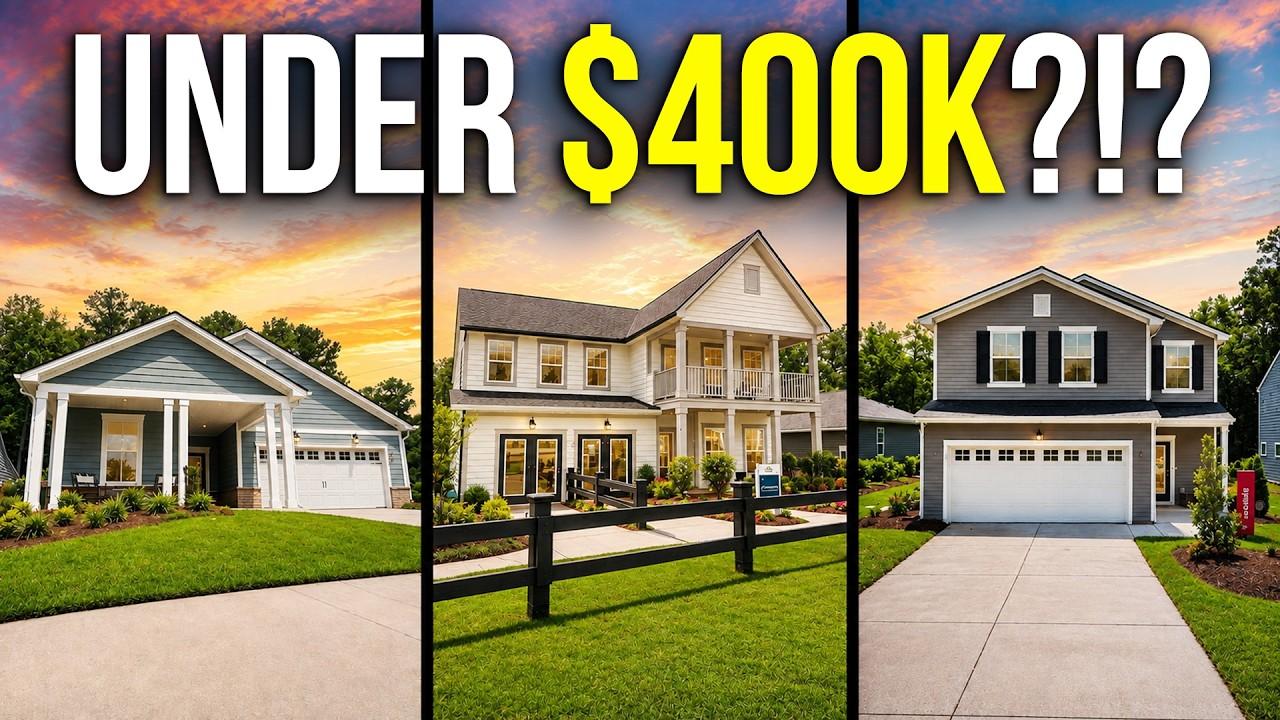
Living in Columbia SC can be more affordable than many larger markets, especially when it comes to housing. The average home price is still below the national average, and many buyers find they can get a newer house, a larger yard, more square footage, or a more manageable payment than they could elsewhere.
But do not compare house prices alone. South Carolina is generally tax-friendly, particularly for retirees. Social Security benefits are exempt locally, property taxes for a primary residence are relatively low compared with many states, and there is no state estate or inheritance tax. Gas prices also tend to be lower, while utilities are usually fairly average. Homeowners insurance in Columbia can be more manageable than in coastal markets, although car insurance can surprise some newcomers.
Two Costs That Catch People Off Guard
- Secondary property taxes: The low property-tax figures commonly seen online apply to a primary residence. A second home, vacation home, investment property, or rental property is taxed at a much higher rate, often roughly four to five times as much locally.
- Vehicle property taxes: South Carolina charges an annual property tax on vehicles, including cars, boats, and RVs. This is separate from sales tax, and it can be a real adjustment for people relocating from states without a similar tax.
The real affordability question is not, “Is Columbia cheap?” It is, “What does my budget buy in the location and lifestyle I want?” The same budget may mean a newer home in one area, more land in another, a closer-in location elsewhere, or more square footage outside the places everyone searches first.
That is why average prices can create confidence without creating clarity. A home can look perfect online and still feel farther out, need more work, or sit in a more competitive pocket than expected. Even neighborhoods on the same road and in the same school zone can price differently.
Daily Life in Columbia SC
Columbia is not Charlotte, Charleston, or Nashville. It is not built around major pro sports, constant nightlife, high-end shopping districts, or a massive event every weekend. If that is what you want every time you leave the house, Columbia may feel quiet.
For many people, that quieter pace is exactly the point. There is still plenty to do: Soda City Market, local restaurants, coffee shops, breweries, the Vista, Five Points, Main Street, college sports, the Riverwalk, parks, trails, kayaking, the zoo, Lake Murray, festivals, and easy weekend trips toward Charleston, Savannah, Pigeon Forge, or Florida.
The appeal of living in Columbia SC is more about everyday life being manageable. Dinner out does not have to be a major production. A walk by the river, a weekend on the lake, or a slower Sunday at home can be the routine.
Of course, an easier pace can also mean more driving. Not every neighborhood is five or 10 minutes from every store, restaurant, or convenience. There is one Costco and two Trader Joe's. The location that gives you the house, yard, and neighborhood feel you want may come with a different commute and daily routine than expected.
7 Things to Know About Living in Columbia SC
1. Summer Heat Is No Joke
South Carolina warmth is one thing in theory. July humidity is another thing entirely. The air can feel heavy. Winters are milder and generally do not bring long stretches of snow, ice, and gray weather, but summer is a real lifestyle consideration. Some people love it, some adjust, and some decide it is not for them. The upside is that spring and fall can be fantastic.
2. Bugs And Snakes Are Part Of The South
It is not a daily survival show, but bugs are real and snakes are possible, especially around wooded areas, water, and rural properties. Most residents simply learn awareness and move on, but it is worth knowing if that is not part of your normal experience.
3. Inland Does Not Mean Weather-Free
Columbia is inland, so it does not carry the same hurricane exposure as Charleston, Hilton Head, or Myrtle Beach. Still, storms can bring heavy rain, wind, downed trees, power outages, and other effects after moving inland. Tornadoes can happen, though Columbia is not Tornado Alley. Earthquakes are rare, but they do occasionally become a local conversation.
4. Traffic Depends On The Road And The Time
Traffic is generally not Atlanta or Charlotte-level gridlock, but it can still surprise newcomers. School drop-off times, construction zones, lake traffic, major corridors, and two-lane roads can completely change a drive. A 30-minute route on a map may feel very different depending on the time of day and the actual road.
5. Not Every Growing Area Feels Polished
Columbia has a mix of older small towns, older commercial corridors, new strip malls, established neighborhoods, rural pockets, and new construction. You may find a beautiful newer neighborhood beside an older corridor, or a home you love on a street that does not match the polished image you had in mind. One side of the road can genuinely feel different from the other.
6. This Is The Midlands, Not The Coast
The Palmetto State flag may have a palm tree on it, but Columbia is not a coastal postcard city. The landscape is more pines, hardwoods, wooded lots, and rural stretches than beach-town scenery. That is not a flaw. It is part of the appeal for people who want warmer weather, Lake Murray, more room, a southern pace, and access to both the coast and mountains without direct coastal prices, crowds, or tourism traffic.
7. Your Support System Matters
One of the biggest realities of living in Columbia SC has nothing to do with the house. People can choose the right home and neighborhood yet still struggle because they miss family, friends, routines, and familiarity. A relocation is not just moving across town.
Be honest about what the move is solving and what it may feel like after the excitement wears off. More space and a better budget can improve daily life, but they do not automatically replace the relationships and routines left behind.
Is Living in Columbia SC Right for You?
The best places to live in Columbia SC are not automatically the most popular names on a search portal. The right choice is where your priorities line up with the real day-to-day trade-offs.
- Decide whether convenience, land, lake access, walkability, new construction, mature trees, or community amenities matters most.
- Compare the full cost of ownership, including primary versus secondary property taxes and vehicle property taxes.
- Drive likely routes at the times you would actually use them.
- Look beyond listing photos at condition, surroundings, road access, and the overall feel of the area.
- Think about the life you are building, not only the house you are buying.
Living in Columbia SC works best for people who are not chasing perfect. They are looking for better: a better pace, a better budget, a better home setup, and a more manageable normal week. If that sounds like the move you are trying to make, Columbia can make a lot of sense.
FAQs About Living in Columbia SC
Is Living In Columbia SC Affordable?
Columbia can offer more home for the money than many larger markets, but affordability varies by location, condition, commute, lot size, and neighborhood amenities. Be sure to include vehicle property taxes and the higher tax rate for any non-primary residence.
What Are The Best Places To Live In Columbia SC?
Popular options include downtown Columbia, Forest Acres, Shandon, Heathwood, Lexington, Irmo, Chapin, Northeast Columbia, Blythewood, West Columbia, and Cayce. The best fit depends on whether you prioritize walkability, lake access, newer homes, shopping convenience, land, or an established neighborhood.
Is Columbia SC A Big City?
Columbia is more of a midsize city with growing suburbs and rural edges. It has restaurants, markets, college sports, parks, trails, Lake Murray, and local events, but it does not offer the constant nightlife or major-city energy of places like Charlotte or Nashville.
What Is The Biggest Downside Of Living In Columbia SC?
The answer depends on the person, but common adjustments include intense summer humidity, more driving than expected, traffic on certain corridors, bugs and snakes, mixed development, and the challenge of rebuilding a support system after relocating.
Ready to find the right place to call home in Columbia, SC? Whether you’re looking for a lake community, established neighborhood, new construction, or a home that fits your budget and lifestyle, I can help you navigate your options. Call or text me at 803-999-4663 to start your Columbia home search with confidence!
READ MORE: The Best Ranch-Style New Construction Homes in Columbia SC