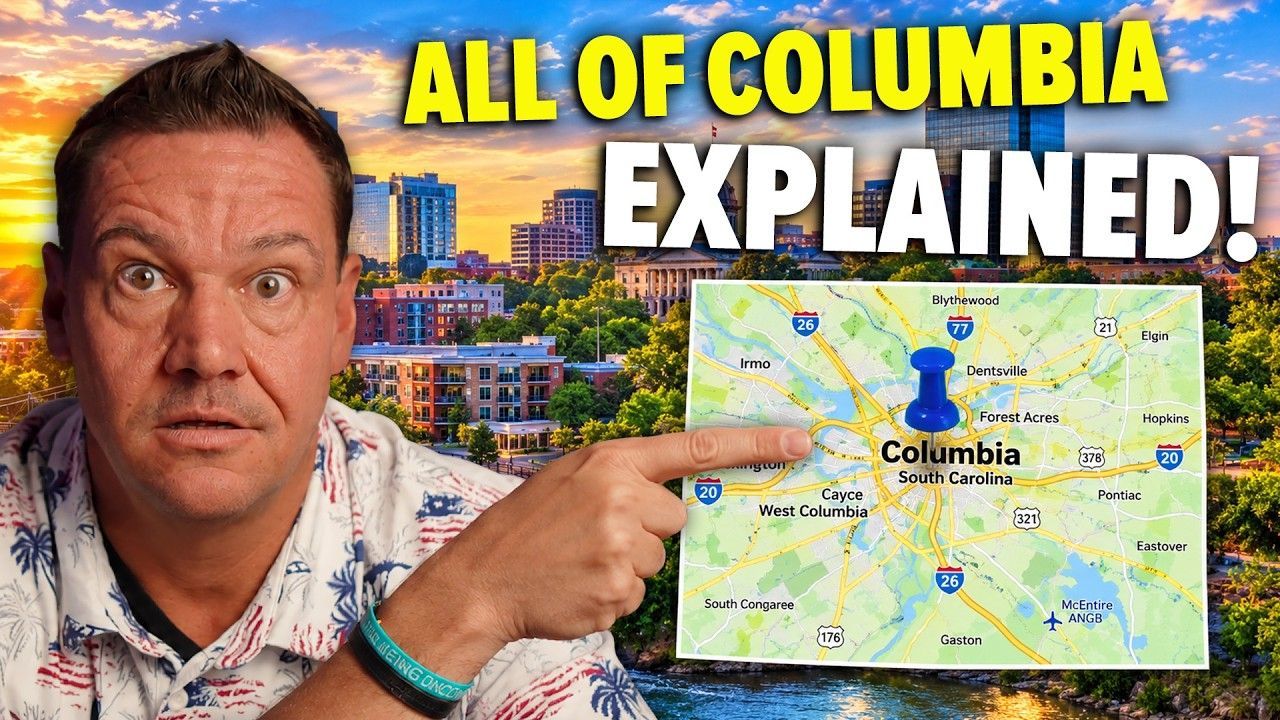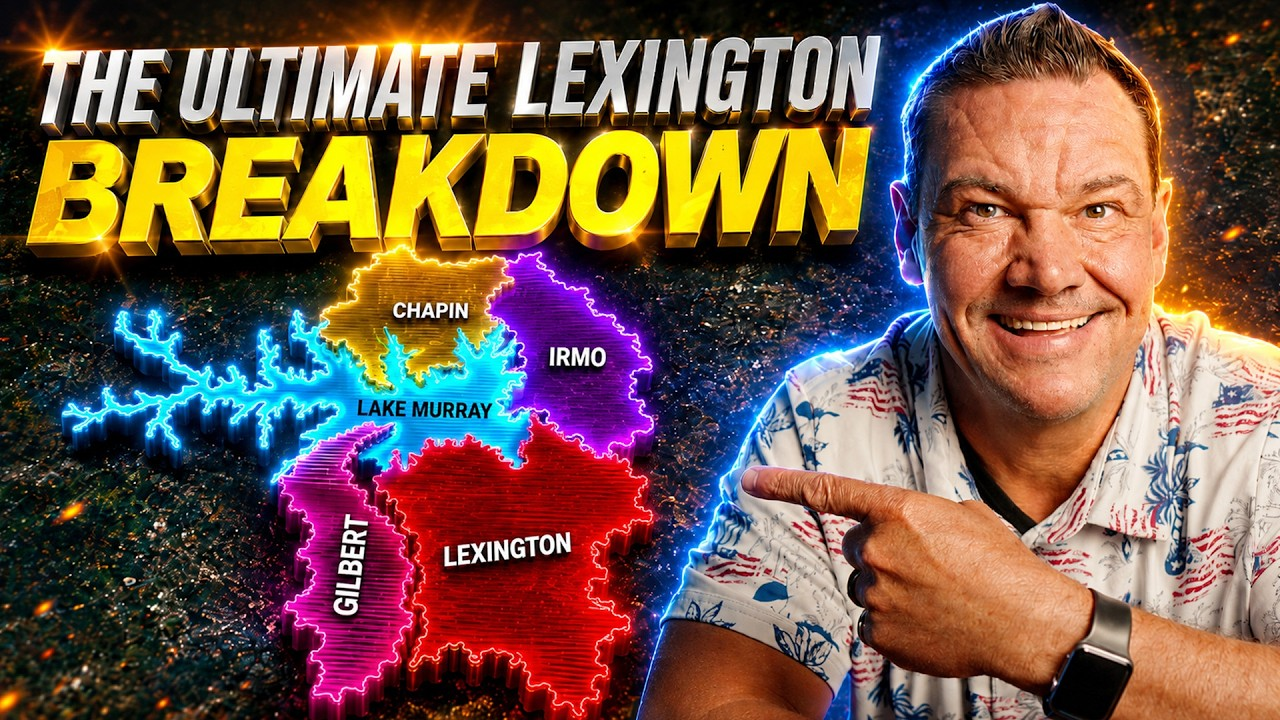
If you are moving to Columbia SC, do not start by opening twelve home searches and falling in love with a house. That is how people end up choosing the right house on the wrong side of town.
Columbia is not Atlanta or Charlotte, but it is also not one tiny Southern town where every destination is 15 minutes away. The city, suburbs, Lake Murray communities, rural edges, employment hubs, shopping corridors, and school zones spread across a much bigger footprint than many people expect. That is why moving to Columbia SC starts with understanding the map.
Whether you want an in-town neighborhood, new construction, a lake lifestyle, a larger lot, or an easier commute, the right question is not simply, “Where should I live?” The better question is, “Which side of the Columbia map gives me the fewest daily compromises?”
Table of Contents
- Moving to Columbia SC: Understanding the Area
- Major Roads and Corridors in Columbia SC
- Best In-Town Areas to Live in Columbia SC
- Northeast Columbia and Blythewood
- Lexington, Irmo, Chapin and Lake Murray
- Rural Areas and Communities Near Columbia SC
- Daily Life and House Hunting in Columbia SC
Moving to Columbia SC: Understanding the Area
When people say they are moving to Columbia SC, they may mean entirely different things. They may mean a Columbia mailing address, downtown Columbia, Forest Acres, Northeast Columbia, Lexington, Blythewood, Lake Murray, Chapin, or somewhere far outside the city limits.
The actual City of Columbia has roughly 144,000 residents across about 140 square miles. Once you combine Richland and Lexington counties, which is where much of the Columbia SC relocation conversation happens, you are looking at roughly 750,000 people spread over more than 1,500 square miles. Zoom out to the broader metro, and the population is around 880,000 across approximately 3,700 square miles.
That is the key. Moving to Columbia SC means choosing from a regional hub with multiple versions of life, not selecting from interchangeable suburbs.
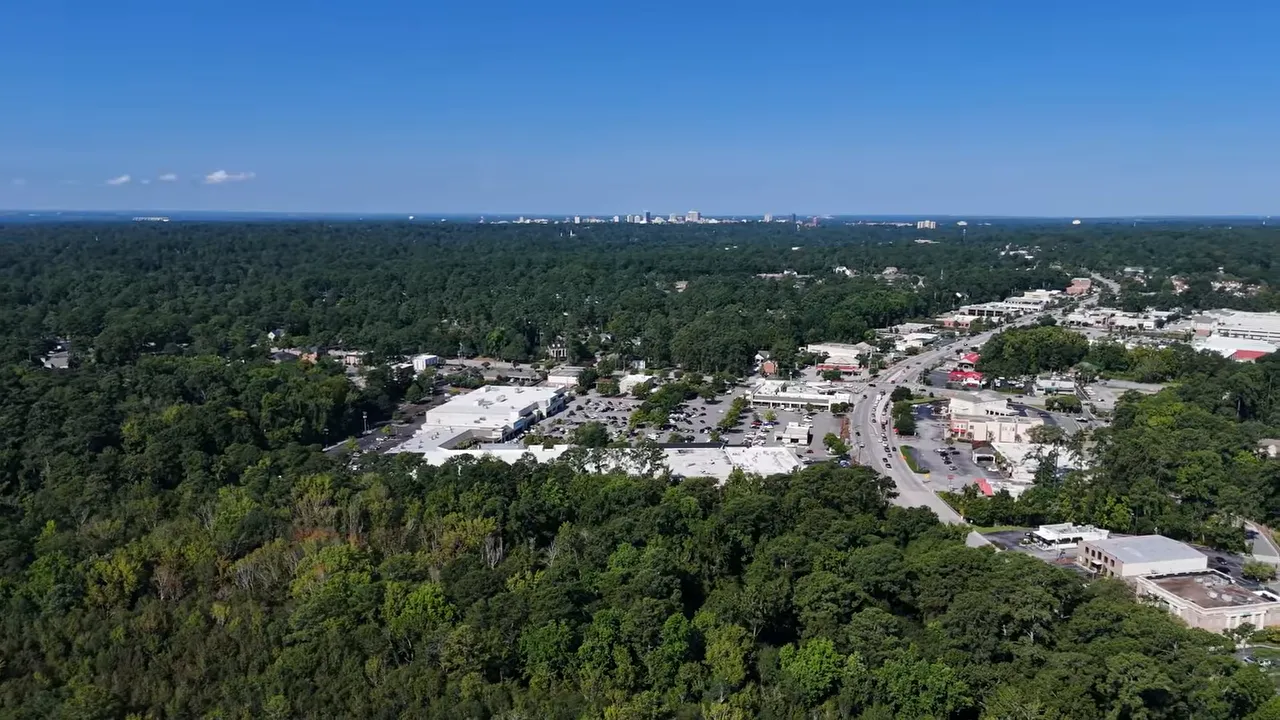
Downtown Columbia sits near the center, with the State House, the University of South Carolina, the Vista, and older in-town neighborhoods. Northeast Columbia and Blythewood stretch north and northeast toward Fort Jackson and I-77. Lexington, Irmo, Chapin, and Lake Murray sit west and northwest. Then there are the outer areas, where more land, privacy, rural character, and value can come with a bigger drive.
For anyone moving to Columbia SC, this is why two homes listed as “20 minutes from Columbia” can deliver completely different lifestyles. One may mean an easy interstate route with shopping close by. The other may involve two-lane roads, school traffic, lake traffic, and a much different daily routine.
Major Roads and Corridors in Columbia SC
Locals often describe location by road, exit, or corridor instead of neighborhood. Once you understand these routes, the area starts making a whole lot more sense.
- I-26: The major northwest and southeast connector. It links Columbia with Irmo, Harbison, Ballentine, Chapin, and Newberry, while also leading toward Greenville and Spartanburg in one direction and Charleston in the other.
- I-20: An east and west route that matters for Lexington, West Columbia, Northeast Columbia, and getting across the metro without always running directly through downtown.
- I-77: The north and south connector for Blythewood, Northeast Columbia, Fort Jackson, and routes toward Charlotte.
- Highway 277: A useful cut-through connecting I-77 into downtown Columbia.
- I-126: The route into downtown from the I-20 and I-26 interchange. The interchange is still known locally as Malfunction Junction, while the state project is called Carolina Crossroads.
- Highway 378: Also called Sunset Boulevard, this is a major Lexington shopping, dining, and commuter corridor toward West Columbia and downtown.
- Highway 6: A major Lake Murray route connecting southern Lexington, downtown Lexington, the Lake Murray Dam, and the Chapin side of the lake.
Moving to Columbia SC is less about mileage and more about the road that connects you to where you need to go. A home off I-26 can feel very different from one the same distance away on a slower local road. That is especially true around the major shopping areas, schools, and lake corridors.
Highway 378, Highway 1, Highway 6, St. Andrews Road, Piney Grove Road, Lake Murray Boulevard, Clemson Road, Two Notch Road, Hardscrabble Road, and Killian Road all serve as meaningful reference points. Learn the roads around the homes you are considering, not just the city name on the listing.
Best In-Town Areas to Live in Columbia SC
Downtown is not a massive high-rise city center with condo towers on every corner. But it is where much of Columbia’s energy, events, dining, and city amenities sit.
You have Soda City Market, Segra Park and the Fireflies, the BullStreet District, the Colonial Life Arena, Gamecock sports, Finlay Park, river access, restaurants, coffee shops, and the University of South Carolina. If being closer to these anchors matters, moving to Columbia SC may lead you toward downtown or the surrounding in-town neighborhoods.
Forest Acres, Shandon, Heathwood, and Rosewood offer more of that established in-town feel. Think older homes, mature trees, character, shorter drives into downtown, and in certain pockets, a more walkable lifestyle. These areas make sense for people who value proximity to central Columbia more than having a newer subdivision further out.
That does not mean every older neighborhood feels identical. Some streets feel tucked away and residential, while others offer quicker access to restaurants, shopping, medical offices, universities, and major roads. Columbia SC relocation is about identifying the version of convenience you actually use.
Northeast Columbia and Blythewood
Northeast Columbia is a major part of the conversation for people connected to Fort Jackson, downtown, the universities, northeast employment areas, and I-77. It has a modern suburban layout across many pockets, with larger neighborhoods, shopping corridors, chain restaurants, schools, commuter routes, and everyday conveniences.
The important thing is that Northeast Columbia is not one single experience. Some parts feel more established, some feel more spread out, and some have newer development closer to the shopping corridors.
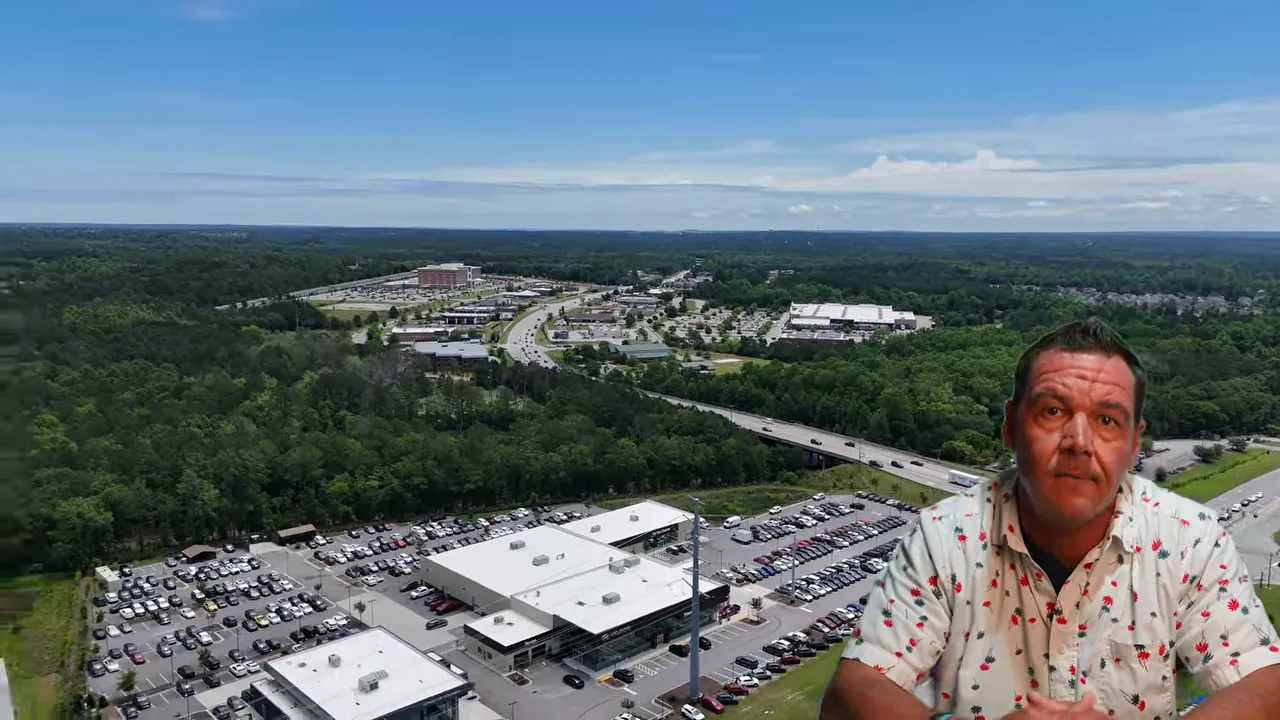
Blythewood sits farther north and has its own identity. It offers a quieter suburban setting, strong neighborhood options, and larger homes in some communities, with relatively direct access to I-77. For moving to Columbia SC with a need for Fort Jackson access, downtown access, or a route toward Charlotte, Blythewood can be a strong fit.
Still, do not treat Blythewood as simply “Northeast Columbia but farther out.” It feels different from downtown, Lexington, Irmo, and even much of Northeast Columbia. The trade-off is exactly what you would expect: more space and a quieter setting can mean more distance from certain shopping, medical, and entertainment destinations.
Lexington, Irmo, Chapin and Lake Murray
West and northwest of downtown is the Lake Murray side of the map. This is where a lot of people moving to Columbia SC naturally begin, but Lexington, Irmo, Chapin, and Lake Murray are not interchangeable.
Lexington
Lexington checks a lot of familiar suburban boxes: neighborhoods, schools, restaurants, grocery stores, medical offices, parks, shopping, and access back toward Columbia. But Lexington itself is broad. A home near Main Street will not feel like a home toward Gilbert, Red Bank, southern Lexington, or a Lake Murray pocket, even if they appear in the same school district search.
The 29072 and 29073 areas can offer different commutes, convenience levels, housing costs, and development patterns. Highway 378 is central to much of the major shopping and dining conversation. Moving to Columbia SC with Lexington on the list means getting specific about which part of Lexington fits your routine.
Irmo
Irmo has large neighborhoods, restaurants, strong shopping access, Trader Joe’s, and the area’s Costco. It also has a more established feel in many places, with neighborhoods from the 1960s through the 1990s, tree-lined streets, larger lots in certain pockets, and sometimes fewer HOA restrictions than newer construction communities.
There are newer sections as well, including newer age-targeted development. Irmo can work well for buyers who want access to Harbison, Lake Murray, downtown Columbia, and everyday shopping without going all the way out to Chapin.
Chapin And Lake Murray
Chapin has more of a small-town lake-area identity. It offers marinas, restaurants, public boat ramps, lake-access neighborhoods, and waterfront communities. If a lake lifestyle is central to your Columbia SC relocation, Chapin deserves a serious look.
But be honest about the drive. One Chapin address may be close to I-26, while another may be deeper around a cove or on a different side of the lake. That can create a commute difference of more than 20 minutes within the same general area and school zone.
Lake Murray access is also not equal from every part of Lexington. Central or southern Lexington may require more driving to reach a marina, boat ramp, or lake access point if you are not in a lake neighborhood. Northeast Columbia and Blythewood are even less convenient for frequent Lake Murray use than the map may suggest.
Rural Areas and Communities Near Columbia SC
Moving to Columbia SC does not always mean choosing a conventional suburb. The outer corridors are increasingly appealing to people looking for acreage, quiet, privacy, affordability, new construction, or a more rural lake setting.
On the Lake Murray side, Prosperity, Newberry County, Saluda County, and the more distant lake areas can provide more space and potentially stretch the budget further. South and southwest of Lexington, Gaston, Pelion, Swansea, and other parts of South Lexington may fit buyers seeking land, affordability, or newer homes outside the main suburban core.
To the east and southeast, Hopkins can make sense for commutes to downtown Columbia, Fort Jackson, Sumter, or Shaw Air Force Base. Further northeast, Elgin, Lugoff, and Camden offer more rural character. Camden also has a historic small-town downtown, local shops, restaurants, events, and established neighborhoods.
Here is the real trade-off. Camden, Prosperity, and the more distant Saluda side of Lake Murray can put you roughly 45 minutes to an hour or more from Columbia without traffic. Gaston and Hopkins may keep some trips closer to the 30-minute range, depending on the exact destination.
For moving to Columbia SC from a larger metro, this is a big adjustment. More land and privacy often means depending on Lexington, Irmo, Columbia, Lugoff, or Camden for larger shopping trips, major medical centers, department stores, Target, Costco, and broader restaurant choices.
Daily Life and House Hunting in Columbia SC
The biggest mistake in Columbia SC relocation is focusing entirely on where you want to live before understanding where you will actually spend your time. Before you chase listings in every direction, get clear on the places that will shape your week.
Ask yourself:
- Where will you work, and how often will you need to commute?
- How important is Lake Murray access?
- Which medical systems, hospitals, or specialists need to be convenient?
- How often will you use the airport?
- Do you want major shopping nearby, or are you comfortable driving for it?
- Are schools, activities, restaurants, parks, or grocery stores part of your weekly routine?
- Would you rather have a shorter drive or more house, land, privacy, or lake access?
Columbia has major healthcare anchors including Prisma Health, Lexington Medical Center, MUSC, and the Dorn VA, with medical offices spread throughout the metro. Columbia Metropolitan Airport, or CAE, is on the West Columbia side and connects back toward I-26, I-20, and I-77. It may not be the only reason to choose a location, but frequent travel can absolutely change the map.
Shopping is also concentrated rather than spread evenly across every corner of the region. Lexington has major retail and dining along Highway 378. Irmo and Harbison offer one of the stronger shopping corridors, including Costco and Trader Joe’s. Northeast Columbia has widespread daily conveniences and the Villages at Sandhill for larger suburban shopping. Chapin has local stores and lake amenities, but many bigger shopping trips point back toward Harbison.
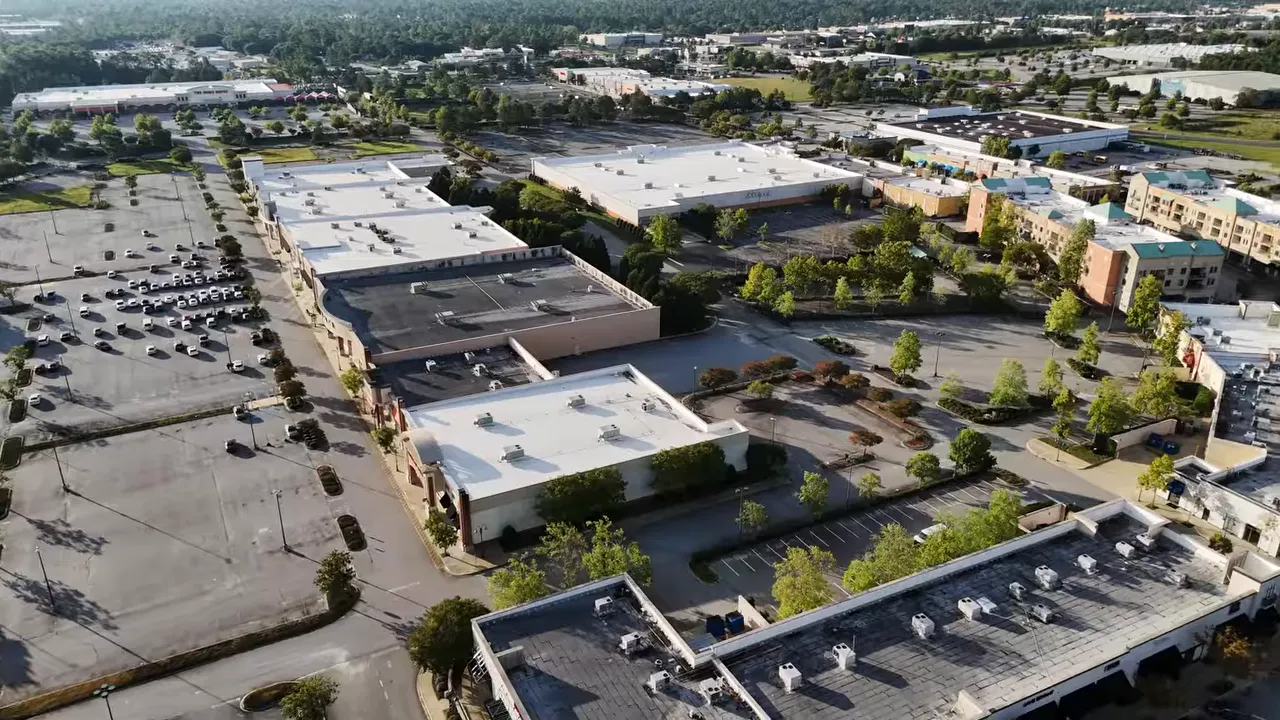
This is why moving to Columbia SC works best when you build your search around your real life, not just a list of home features. Twenty minutes on an interstate feels different from 20 minutes through stoplights, two-lane roads, school traffic, roundabouts, and afternoon backups.
Columbia gives you options: newer suburban neighborhoods, historic in-town homes, homes on acreage, wooded retreats, lake-adjacent communities, and true lakefront properties. But you do not need to consider every area. The goal is to narrow the map until you find the side of town that gives you the lifestyle you want with the fewest compromises.
Moving To Columbia SC FAQ
Is Columbia SC a small and easy to navigate city?
Columbia has a midsize urban core, but the broader metro spreads across suburbs, lake communities, and rural areas. It can take much longer than expected to cross the region depending on the corridor, time of day, and exact destination.
Which areas are closest to Lake Murray?
Chapin, Ballentine, Irmo, and certain parts of Lexington sit closest to the Lake Murray corridor. Actual access to marinas, ramps, restaurants, or waterfront varies significantly by neighborhood.
Is Lexington the same as Irmo or Chapin?
No. Lexington generally offers a broad suburban experience with major shopping around Highway 378. Irmo combines shopping access with established neighborhoods and proximity to Harbison. Chapin has a more small-town, lake-oriented feel and can involve a longer commute depending on the location.
What should I prioritize when moving to Columbia SC?
Start with your job location, commute tolerance, medical needs, shopping routine, school and activity needs, airport use, and how often you expect to use Lake Murray. Those factors will narrow the search much faster than looking at homes across every part of the metro.
Ready to find the right area in Columbia SC for your lifestyle, commute, and home-buying goals? Call or text me at 803-999-4663 so we can narrow down the right areas and help you find a home that fits the way you want to live.
READ MORE: Which Grand Arbor Columbia SC Home Plan Is Right for You?