Avoid These 3 Columbia SC Suburbs: Gilbert, Lexington & Blythewood
You could pay considerably more for a newer home in one of Columbia's fastest-growing suburbs, or you could save that money by looking a little further out in one of the area's most popular spots, but you'll be giving up some of the things you might have thought came with that lifestyle. All three areas I'm covering today are real growing parts of the Columbia market that we see relocation buyers eyeing all the time. Pick the wrong one, and it may cost you real money and honestly a lot of stress.
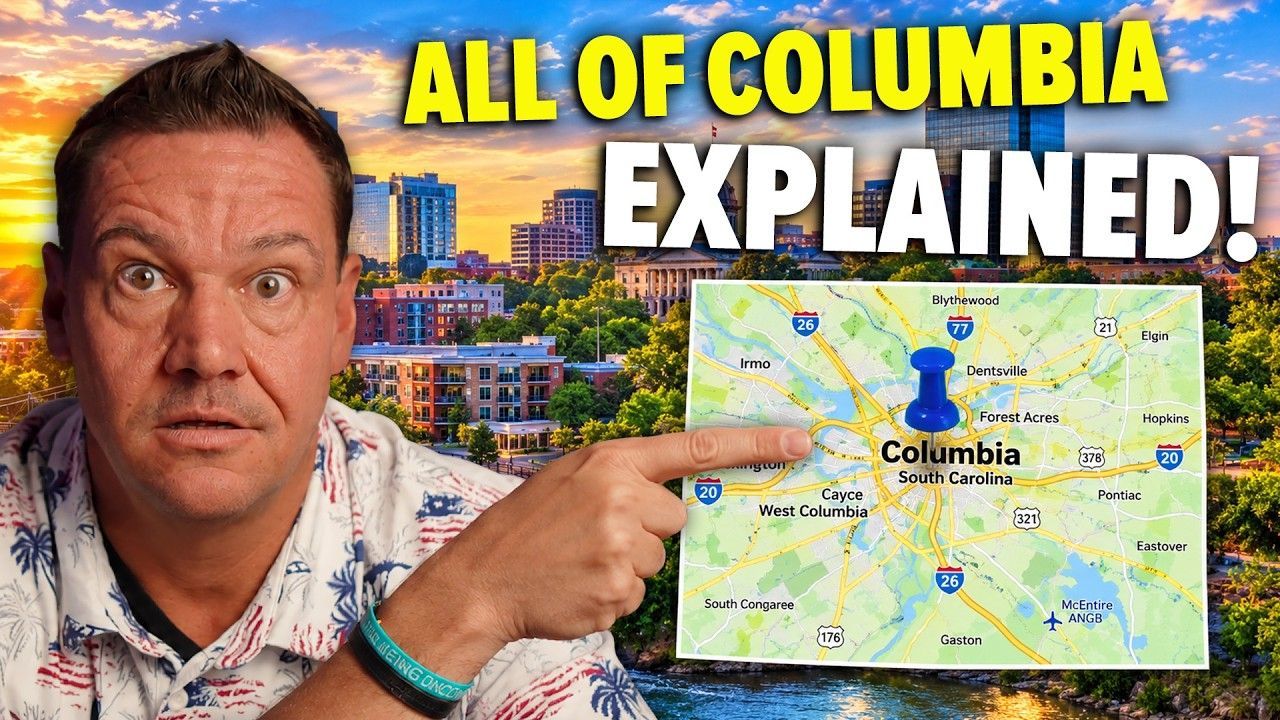
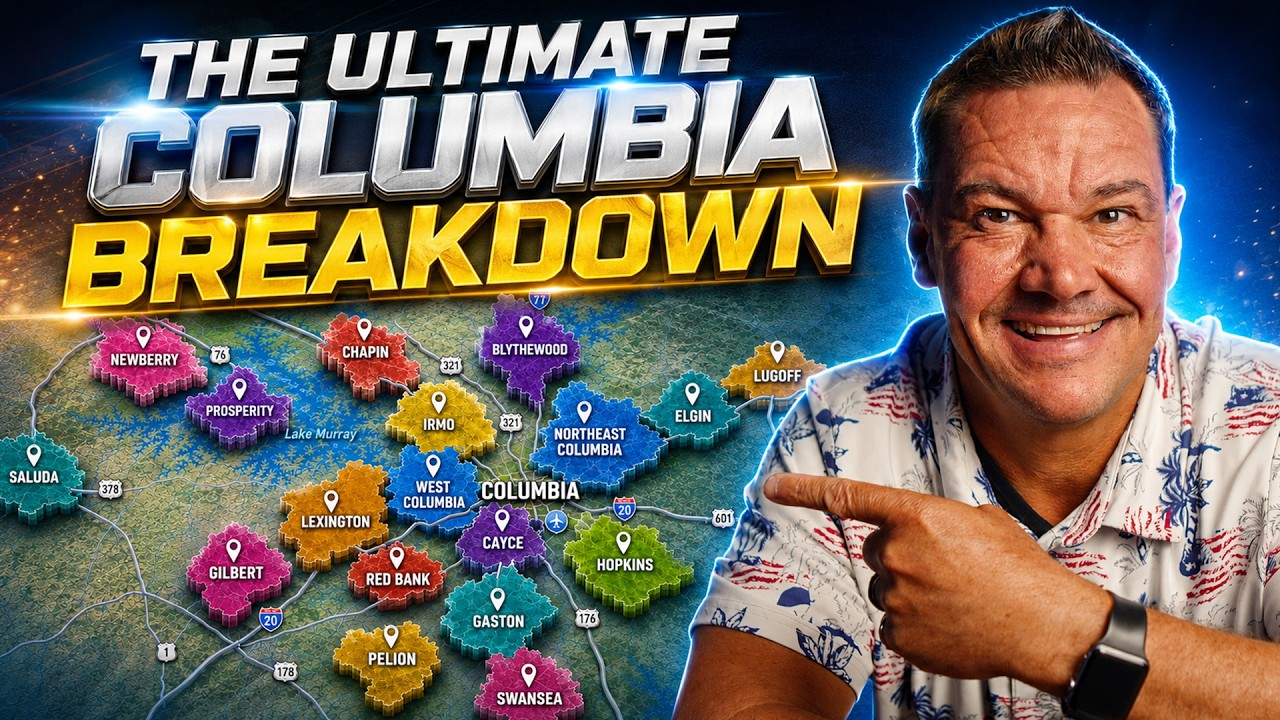
I relocated here myself over a decade ago, so I get how things can look one way online and completely different once you're actually living here. That's why in this article I'm breaking down three Columbia suburbs, Gilbert, South Lexington, and Blythewood, what they cost, who they're right for, the questions you should be asking, and the catches you need to be looking out for. These aren't bad places. They're just different. And the trade-offs that come with each one matter more than most buyers realize until it's too late.
If you're considering moving to Columbia and trying to figure out which of these areas actually fits your lifestyle, that's exactly what our team helps people do every day. We all relocated here ourselves, and since then we've helped hundreds of families do the same thing. We understand how different an area can look online versus once you're actually living here.
Table of Contents
Gilbert: The Space Play
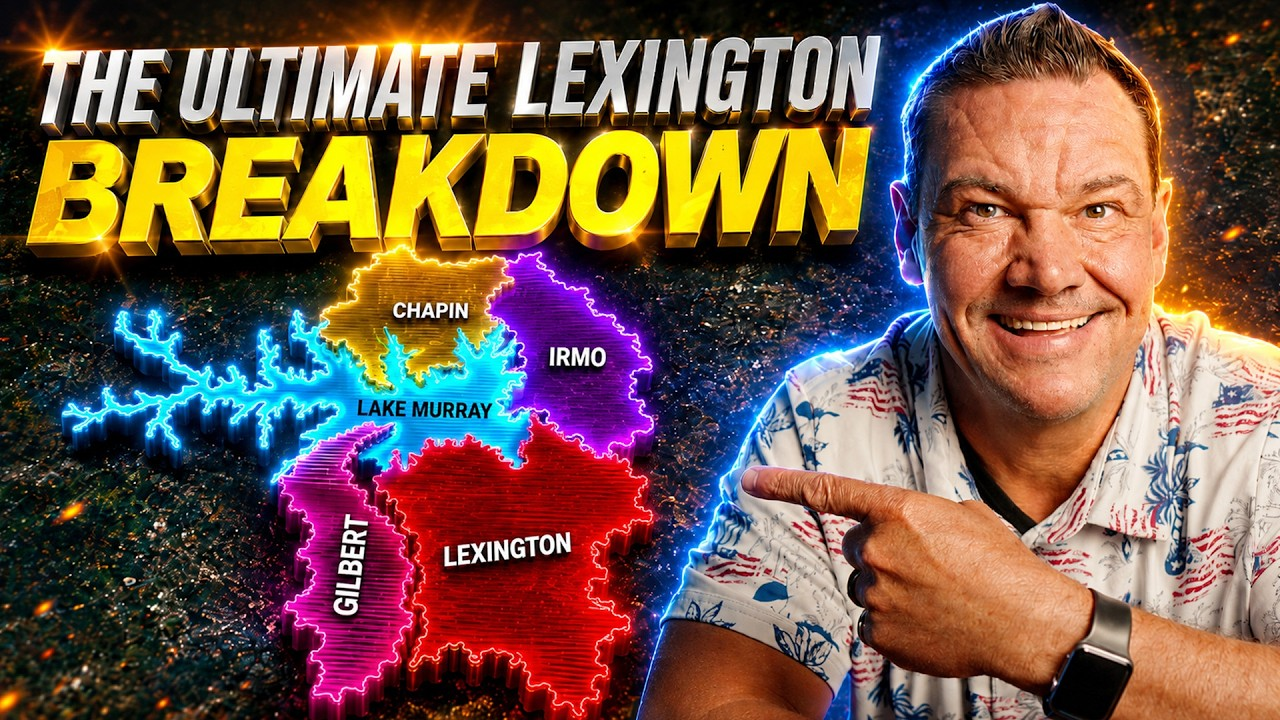
Gilbert is interesting because locals have talked about this side of Lexington for years as the direction the growth would eventually push. And now we're finally starting to see more of that happen. You have more neighborhoods, more new construction, and more buyers looking on that western side of Lexington County. But it still holds on to a lot of what drew people there in the first place.
If someone reaches out to our team and says, we like Lexington, but we want more land, fewer neighborhoods, and something that feels a little more rural, Gilbert is bound to come up. You've got more farmland, more acreage, and more of those homes outside traditional subdivisions. You see everything from older ranch homes and manufactured homes to newer construction, custom homes, horse properties, and even homes right there on Lake Murray.
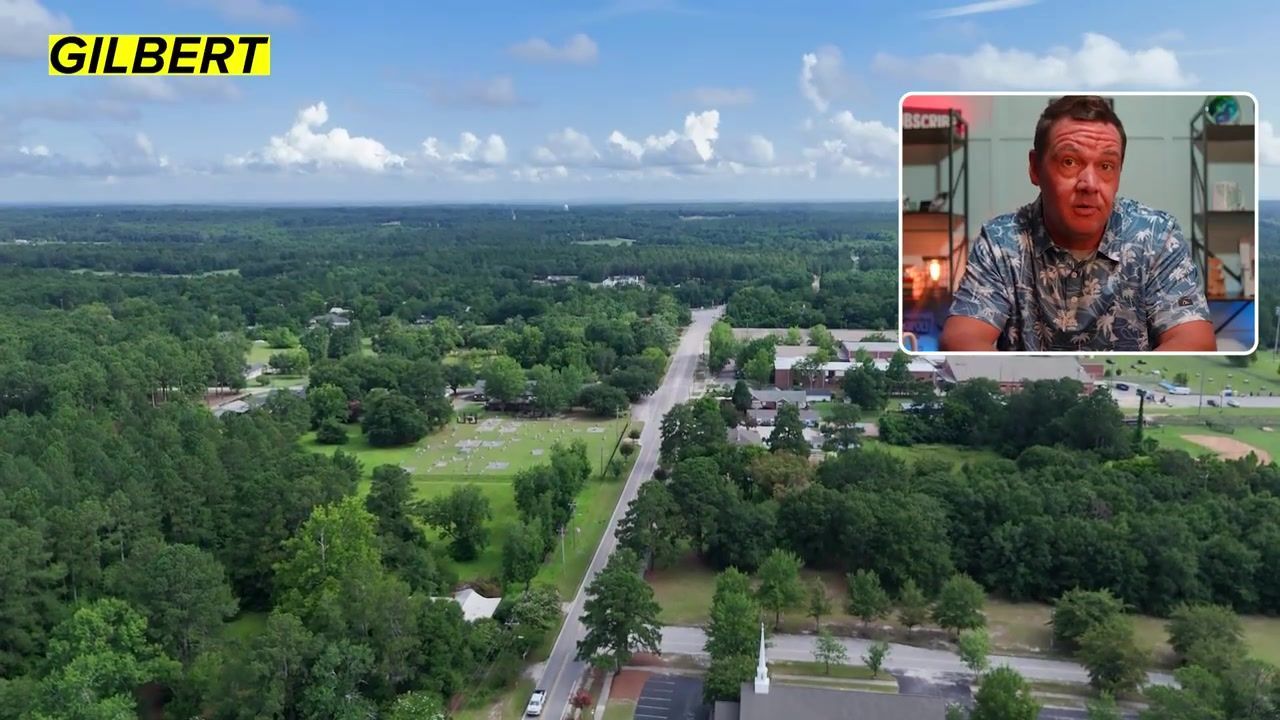
Pricing out there runs a full spectrum. New construction starts in the $200s. Newer homes closer to the lake push into the $400s. Those larger, more established homes in neighborhoods can easily get into the $500s and even $600s. And once you're actually on Lake Murray, $1 million plus is not unusual. But here's the catch: Gilbert tends to attract the person who says, I want more land and space. But the question we usually ask is, okay, do you actually want rural living or do you just want a bigger yard? Because look, those are not the same thing.
A lot of people, from what we've found, picture an acre or two, some trees between the neighbors, and that nice updated house. But they also picture a quaint downtown with restaurants and shops, quick interstate access, and an easy drive into Columbia or to Costco if they need. That's not really the current reality in Gilbert. Gilbert's downtown is just a couple stop-and-goes and a country store. Sure, you've got local grocery stores, but honestly, you're going to be pretty dependent on Lexington for your regular shopping trips.
What You're Trading for That Space
The question out here becomes, are you looking for an area you think could become the next Lexington or an area that's already built out and convenient today? Because here's the reality: the further out you go looking for that rural feel, the more you're usually accepting that everyday conveniences are going to be a little further away. And look, the reality is for one buyer, that's freedom. For somebody else, that's exactly what they're trying to avoid.
Just last month, our team had two buyers exploring different areas around Lake Murray. One of them pulled into a neighborhood in Gilbert and said, this is exactly what I'm looking for, less congestion, more space outside my neighborhood. The other drove out to a listing they had been eyeing online for weeks. They immediately turned and said, absolutely not. This is not at all what I thought. It's way further out. Feels like we're in the middle of nowhere. That pretty much sums up Gilbert.
If you're planning to stay in the area for 10 to 20 years, there's a good chance Gilbert becomes a lot more convenient as growth continues pushing this direction. We're already starting to see it. So the real question with Gilbert is, are you okay with living with the version that exists today? And I want you to stick around to the last area, because it's actually kind of in a weird way starting to create a combination of that space and convenience all at once.
Land Isn't Automatically Cheap
But there's one more misconception I want to kill first for all these areas. Look, going further out doesn't automatically mean land is cheap. Yes, Gilbert does give you more opportunities for larger lots, but land itself out here has value. If you want that house around an acre in great condition with privacy, that budget can still climb pretty quickly. But if you don't actually want rural living, you just want your budget to stretch further, the next area may be a much better fit.
Gilbert sits in Lexington One School District, which is generally rated highly on those third-party school websites. But the individual school assignments within the district can really affect demand and what buyers are willing to pay. If schools are important to you, you've got to research the specific schools, look at that data, and visit them if that matters to you and decide what fits your family. These grades change all the time and they all grade kind of differently.
South Lexington: The Value Play
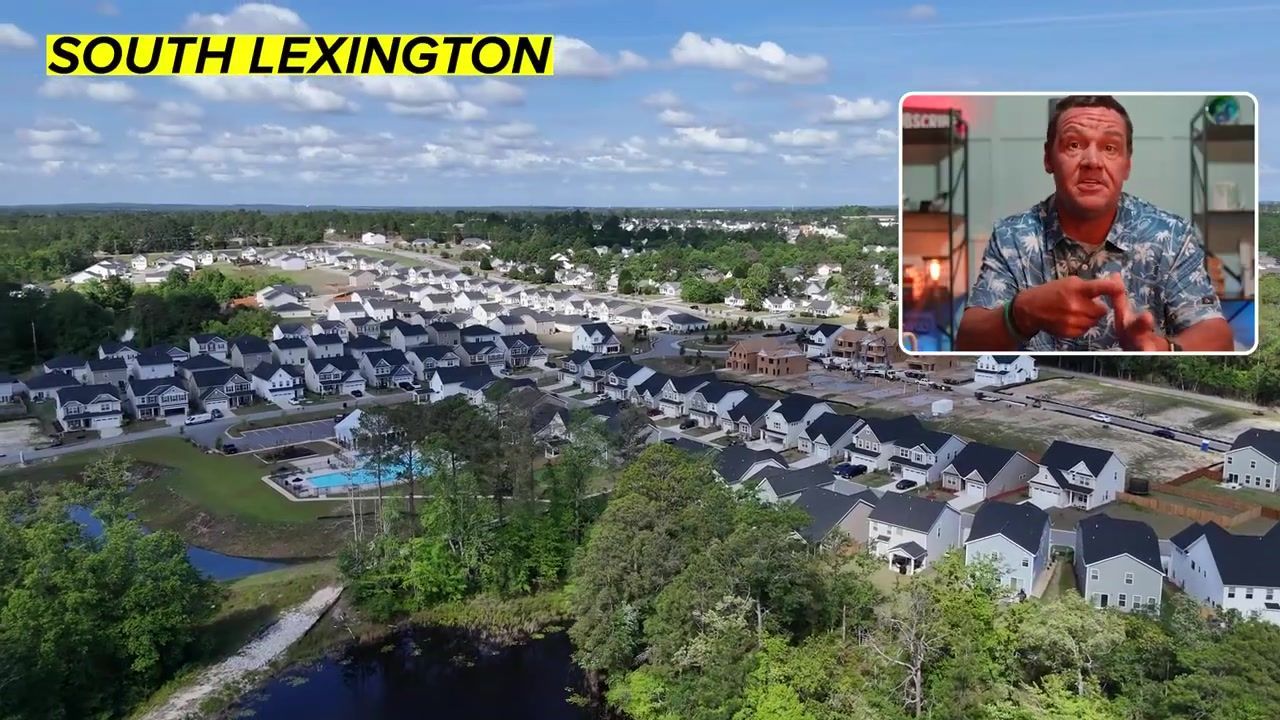
The second area is South Lexington, and you'll hear this also called the Red Bank area or the White Knoll area. It's actually a pretty interesting area because a lot of relocation buyers, from what we've found, don't even realize they're looking there. They tell us, hey, we're looking for Lexington, but Lexington can mean several different things. This area sits in the 29073 zip code, which carries a Lexington address.
This area is very different than Gilbert because you've got the grocery stores, the restaurants, the schools, the services, the newer subdivisions mixed with those older neighborhoods. And you're still reasonably close to Lexington proper, the interstate, and roughly that 30-minute drive into Columbia. This is where South Lexington gets interesting. Because once we get into the pricing, you'll see why some buyers who completely ignored this side of town initially end up changing their minds.
What Your Money Actually Buys
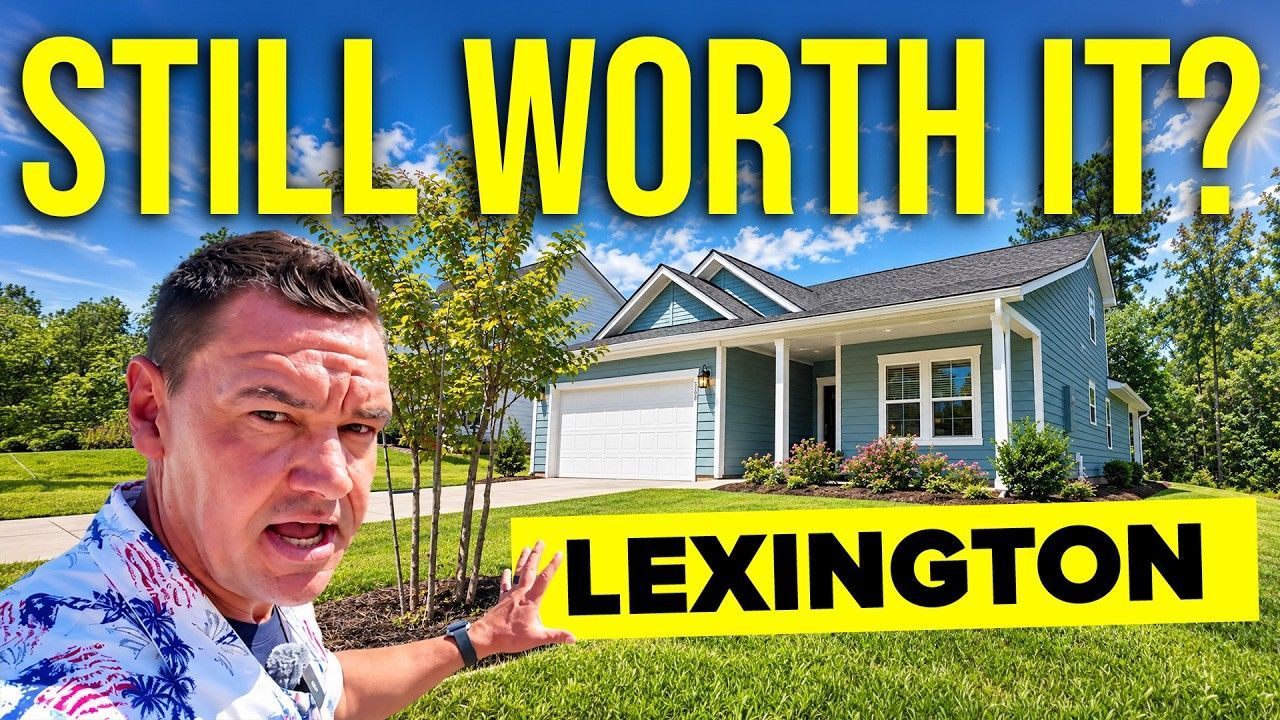
Compared with some other parts of Lexington, this is one of the areas where buyers can sometimes stretch the budget further. Honestly, you can find resale homes starting in the $200s, including some that are smaller, older homes, but they give you more space than what you're seeing in those newer neighborhoods. But you still can find those new construction neighborhoods from the high $200s into the $300s. You'll find more established neighborhoods, larger homes, and a little more space pushing into the $400s and beyond. And of course, more of those homes on true acreage.
One of the benefits is that South Lexington almost operates independently of Lexington proper. It has its own commercial corridors where you have grocery stores, restaurants, gyms, doctors' offices, urgent cares, and more development continuing to fill in every day. So you may not need to drive into the main part of Lexington nearly as often as you might think. That's also part of why the pricing can work, because you're not always paying the same premium for that Lexington experience.
The Patchwork Trade-Off
But look, that lower price point doesn't come without trade-offs. The trade-off here is different than what we talked about in Gilbert, because this area can still feel rural in pockets. But it's not necessarily farmland and wide open space. It's more of what I like to call patchwork because you've got neighborhoods and commercial areas built across several different decades, including places that developed before the kind of planning and zoning that you see in these newer suburban areas.
You may pass that newer subdivision, then a house with a couple cars in the yard that look like they haven't moved in years, then an old manufactured home rusting from a storm years ago. And a few minutes later, a small farm with cows grazing. That's South Lexington. It's older rural South Carolina mixed with that newer suburban growth all around it.
White Knoll High School in this area lands in Lexington One School District. But again, the individual school assignments within the district can really affect demand and what buyers are willing to pay. The point isn't to give up something that's a top priority just to save money. It's to make sure you're not paying a premium for things that weren't actually priorities in the first place.
Don't Pay for What You Won't Use
We had a buyer earlier this year who kind of proved exactly why this matters. They told us everyone online kept saying to avoid South Lexington and only look at that 29072 side, but nothing really felt like what they were looking for. So we suggested they check out South Lexington. They came down, explored the area, even visited the local schools themselves. After doing that, we took them to this brand new neighborhood over there, and they immediately loved it because they could get the house they wanted at the budget they wanted. And after seeing the area for themselves and doing their own research, the trade-offs everybody complained about online simply in their minds weren't as bad as everyone made them out to be. That's where South Lexington can make a lot of sense.
This is where we tell buyers, don't pay a premium for something that maybe isn't important to you. If you don't need Kohl's and Target and Lake Murray in your backyard, there may be other options that are better suited. But there's a big assumption we see in this area that you need to definitely be careful with. In recent times, development has pushed well beyond what people traditionally thought of as that Red Bank and White Knoll area. Just because the address again says Lexington doesn't mean it's going to feel like the version of Lexington that you pictured online. That's where some buyers honestly get surprised.
But here's the reality. 29072 outside of the lake wasn't always what it is today either. When we first moved here, there was no amphitheater. Downtown Lexington wasn't thriving like it is today. Much of the area still had that rural small town feel. I've personally watched both Lexington and South Lexington become much more suburban over the last decade. For years, much of the development you see today was just trees and a sign that said a China buffet was coming soon. If growth keeps pushing this direction, some of these differences honestly may not feel nearly as dramatic 10 years from now. So that's why you've got to ask yourself, are you paying for the version of Lexington you thought you wanted, or the things you're actually going to use every day?
Blythewood: The Growth Play
The third area takes that idea to a different level, because this one already has that mix of polished suburban growth and surprisingly those rural pockets, and it may be changing faster than almost anywhere else around Columbia. If Gilbert is that space play and South Lexington is the value play, Blythewood is what I like to call the growth play.
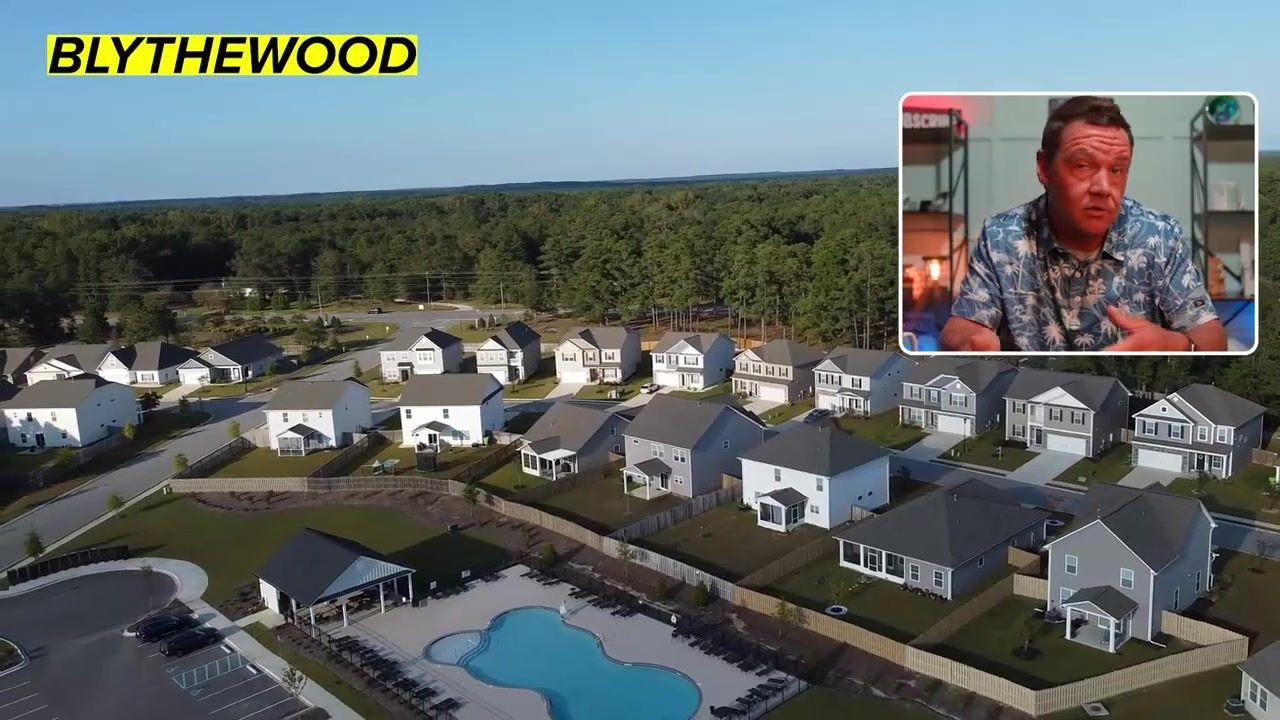
Blythewood has a lot of the foundation already there. You have some of those schools that rate highly on those third-party websites. You've got Doko Meadows Park over there with their amphitheater and all their local events. You're close to I-77, which actually gives you easy access back to Columbia, Fort Jackson, and even north towards Charlotte. Housing out there runs the full spectrum because you've got golf course neighborhoods, some of the most amenity-rich communities in our entire area, those neighborhoods with the larger lots and the estate-style homes, and plenty of homes on land and acreage still.
Pricing and What You're Buying Into
Pricing, new construction runs a full spectrum as well. You've got smaller homes starting in the $200s, but a good chunk of it landing in the $300s to $400s, but plenty still above that. You've got those golf course neighborhoods from the $300s and up. And then you've got some of the higher end communities and larger homes moving into the $600s and beyond. And of course, those homes on acreage.
This is the area I was talking about in the beginning, because truthfully, you may pay more for a similar newer house here than you would in Gilbert or South Lexington. But look, compared with some of the more premium parts of Lexington, it can actually still look pretty affordable. That combination is exactly what's made Blythewood attractive to so many people, not just because of what it is today, but because of what it offers and what people believe it's becoming.
But that's also where the trade-off starts, because when you buy in Blythewood today, you're buying into an area that is actively changing around you. The town of Blythewood had about 4,750 residents in 2020. By 2025, that estimate had climbed to more than 7,200, nearly 50% growth in about 5 years.
Scout Motors and What's Following
Then there's Scout Motors. Their new production center represents more than $2 billion in investments and is expected to create at least 4,000 permanent jobs. We've helped multiple clients already working there. Plus a supplier park bringing even more investments and jobs. Scout gets most of the headlines, but I don't think Scout itself is the biggest story because the bigger story is what we're already seeing following that kind of growth. More rooftops, more commercial development, especially down toward Killian Road, more infrastructure, more restaurants and shopping, and more pressure on an area that not long ago felt considerably quieter.
If you've been around Columbia long enough, you probably also heard the rumors about projects like Crystal Lagoons being planned right outside of Blythewood. What makes Blythewood interesting and sometimes confusing, honestly, is how different two parts of it can honestly feel. You can still find properties tucked between the trees that feel rural, and five minutes later on a four-lane suburban highway slammed with cars passing newer medical buildings and pulling into a brand new community backing up to a golf course.
Several Identities in One Name
I think this is where some relocation buyers get Blythewood wrong. They picture a quaint little southern town with growth kind of happening around it. But in reality, a lot of the growth kind of feels more like Northeast Columbia suburban development, just pushing north. And you still got those rural pockets mixed between.
Last summer we had a buyer visit Blythewood and they told us it just felt too busy out there. We scratched our heads a little because that didn't sound like the version of Blythewood we thought would actually fit what they were describing to us. So my team took them a little further out into another part of Blythewood, and the moment they got into the neighborhood, they said, this is exactly what we were looking for. I guess we just didn't know where to look. Same general area, completely different experience. That's Blythewood right now, because it has several different identities sitting all on top of each other in the same name.
But that also creates the trade-off. Our team had another homeowner in Blythewood reach out about selling because they were watching Scout come in, the roads widening and all the development around them. They told us, this isn't why we moved here. We moved here because it felt quieter. That growth can be exciting if you want more convenience, restaurants, shopping, and things coming closer to home. But it's a very different story if the reason you moved there was because you wanted everything to stay quiet and spread out, especially because we still don't know exactly how well infrastructure is going to keep up.
Infrastructure and the Pace of Change
Sure, we've seen some road widening and roundabouts added, but in the same accord, we've seen what can happen in places like Lexington when development moves faster than the roads around it. Blythewood has already tried to pump the brakes on some development recently, but if you've been to the area, there's still plenty moving forward.
The question I'd ask about Blythewood before buying there is, are you buying Blythewood because you like what it is today, or because you like what you think it's becoming. Because I don't think the bigger question with any of these areas is, hey, which one's better? The reality is we've had buyers choose all three happily. The question is whether the trade-offs that come with each one actually fit the life you're trying to build.
Which Trade-Offs Fit Your Lifestyle?
It's easy to fall in love with a house, trust me. The harder part is figuring out whether you're going to love everything around it once the excitement of the house wears off, because it will. That's exactly where our team comes in. Again, we all relocated here ourselves, and a big part of what we do is learn more about your family, your budget, your priorities, and the things you absolutely don't want, then help you figure out which of these trade-offs actually matters to you.
Here's how I'd frame the choice:
- Choose Gilbert if you want more land and space, you're okay with limited shopping and restaurants nearby, and you're willing to depend on Lexington for regular errands. You're buying into what could become more convenient in 10 to 20 years, but you need to be okay with the version that exists today.
- Choose South Lexington if you want your budget to stretch further, you don't need the polished feel of other Lexington areas, and you're comfortable with patchwork development, newer subdivisions mixed with older homes and rural pockets. You're not paying a premium for things you won't use, but you need to visit the area yourself and verify it matches what you're picturing.
- Choose Blythewood if you want a mix of suburban convenience and rural pockets, you're excited about growth and what's coming, and you're okay with an area that's actively changing around you. You may pay more than Gilbert or South Lexington, but you're buying into what it's becoming, not just what it is today. Just know that growth can feel too busy if you moved there for quiet.
All three areas sit in Lexington One School District, which is generally rated highly, but individual school assignments within the district vary. If schools are important to you, research the specific schools and visit them. Don't assume the district rating alone tells the whole story.
Conclusion
Gilbert, South Lexington, and Blythewood are all real growing areas around Columbia that attract relocation buyers for different reasons. Gilbert is the space play, more land, more acreage, more rural feel, but you're giving up convenience today for what could become more convenient later. South Lexington is the value play, your budget stretches further, you've got your own commercial corridors, but you're accepting patchwork development and a less polished feel. Blythewood is the growth play, you've got foundation already there, more is coming, but you're buying into an area that's actively changing and you need to decide if you're okay with that pace.
The question isn't which one's better. The question is which trade-offs fit the life you're trying to build. Because look, we've had buyers choose all three happily. The difference is they knew what they were getting into before they signed.
If you're considering Columbia, reach out and tell us what you're looking for. I've made it super easy over on our website to connect with us, and there are a ton of resources over there. We'll learn more about your family, your budget, your priorities, and the things you absolutely don't want, then help you figure out which of these trade-offs actually matters to you. Call or text me at 803-999-4663 so we can walk through what fits your lifestyle, not just what looks good online.
FAQ
Is Gilbert too far from Columbia for a daily commute?
Gilbert is on the western side of Lexington County, and you're looking at roughly 30 to 40 minutes into Columbia depending on where you work. You're also pretty dependent on Lexington for regular shopping, so if you're commuting daily and running errands, that adds up. Some buyers love the trade-off for more land and space. Others realize pretty quickly it's further than they want to drive every day.
Does South Lexington feel safe even though it's more patchwork?
South Lexington has newer subdivisions, older homes, and rural pockets all mixed together, which can look less polished than other parts of Lexington. That doesn't automatically mean it's unsafe, but it does mean you need to visit the area yourself and drive the neighborhoods you're considering. Don't assume the Lexington address alone tells the whole story. Research the specific streets and talk to people who live there.
Will Blythewood's growth make traffic worse?
Blythewood's population grew nearly 50% from 2020 to 2025, and Scout Motors is bringing thousands of jobs and more development. We've already seen road widening and roundabouts added, but we've also seen what happens in places like Lexington when development moves faster than infrastructure. It's unclear if roads will keep up with the pace of growth, so if you're buying there, you need to decide if you're okay with that uncertainty.
Are schools the same across all three areas?
All three areas sit in Lexington One School District, which is generally rated highly on third-party websites. But individual school assignments within the district can really affect demand and what buyers are willing to pay. Gilbert, White Knoll High School in South Lexington, and Blythewood schools all have different reputations depending on who you ask. If schools are important to you, research the specific schools, look at current data, and visit them yourself.
Can I find acreage in all three areas?
Yes, but the experience is different. Gilbert has more farmland, horse properties, and homes outside traditional subdivisions, so acreage is more common and feels more rural. South Lexington has homes on acreage mixed with newer subdivisions and older neighborhoods, so it's more patchwork. Blythewood still has homes on land and acreage, but a lot of the growth is suburban neighborhoods with larger lots, not wide open farmland. Going further out doesn't automatically mean land is cheap, land itself has value in all three areas.
Should I buy in Blythewood now or wait until growth settles?
That depends on whether you're buying for what Blythewood is today or what you think it's becoming. If you're excited about more restaurants, shopping, and convenience coming closer to home, buying now could make sense. If you're hoping it stays quiet and spread out, you may be disappointed because growth is already happening fast. We've had buyers choose Blythewood happily, and we've had homeowners reach out about selling because it's changing too much. The question is which version you're okay living with.
Brandon Garon
We provide honest and transparent insights into relocating to the Midlands of South Carolina. Brandon's mission is to help you confidently decide if South Carolina is right for you—without hidden fees or sales pitches.
Call / Text: 803-999-4663


Recent Posts