Living in Columbia, SC: What to Know Before You Move
If you're thinking about moving to Columbia, South Carolina, there's more you should know than what you can find by browsing homes and researching neighborhoods online. After helping more than 150 families relocate to the Columbia area, our team has seen firsthand what people love about living here, what surprises them after moving, and what they often misunderstand before making the move. We've also gone through the relocation process ourselves, so we understand both sides of what it takes to find the right place to call home.
For many people considering living in Columbia, SC, affordability is a big part of the decision. But relocating here isn't just about finding a cheaper house. It's about finding the right combination of home, neighborhood, and lifestyle. Maybe you're looking for more financial breathing room, warmer weather, access to outdoor activities, or simply a place where everyday life feels a little more manageable. Columbia can offer many of those things, but the right fit depends on what matters most to you and how you actually want to live.
The truth is, what looks good on paper doesn't always translate into the right lifestyle once you get here. That's why we're breaking down what living in Columbia, SC is really like, what your budget can get you, which areas offer different lifestyles, and the trade-offs you should understand before relocating. From traffic and weather to property taxes, school zones, and the differences between neighborhoods like Lexington, Irmo, Blythewood, and Chapin, this guide will help you look beyond listing photos and make a more informed decision about whether Columbia, South Carolina, is the right place for your next move.
Table of Contents
- The Biggest Deal Breakers: Traffic, Pace, Weather, and Costs
- Shandon: Coffee Shops and 10 Minutes to Downtown
- Heathwood: Urban Living Close to the Heart of Columbia
- West Columbia (River District Area): River Walks and Empty-Nester Appeal
- Lexington: Suburban Life, School Zones, and Sunset Boulevard Traffic
- Irmo: Suburban Neighborhoods and Lake Murray Proximity
- Blythewood: A Separate Suburban World
- Chapin: Lake Murray Lifestyle and Retirement Appeal
- Which Area Is Right for You? Lifestyle Trade-Offs Across Columbia
- Conclusion: What to Do Before You Save Another House Online
The Biggest Deal Breakers: Traffic, Pace, Weather, and Costs

Let's start with the biggest deal breakers I see, because look, if one of these is a non-negotiable for you, I'd rather tell you now than spend the next fifteen minutes trying to convince you Columbia is something it's really not.
How Bad Is the Traffic?
Yes, Columbia has grown a lot over the last decade. And yes, I can personally tell you traffic is definitely getting worse. But honestly, how you feel about it will depend heavily on what you're used to. If you're someone like me who was coming from Los Angeles, Atlanta, the DMV area, New York, or another major metro, you're probably not going to think Columbia traffic is that bad because we don't have hours of gridlock traffic on the interstate. Most of our clients from those areas aren't truly bothered by it.
But the reality is, if you're coming from a smaller town or expecting a small town where everything is a breeze to get to, trust me when I say Sunset Boulevard in Lexington or Two Notch Road in Northeast Columbia at 5 p.m. may drive you crazy. And don't get me started on the school drop-off line backups or why the Longs Pond exit is still a 2-lane road.
The bigger thing I would pay attention to isn't just the traffic comments. It's your personal daily routine and making sure you choose a house accordingly. Where are you going to work? What roads and what time do you need to leave to get there? Where are your kids going to school relative to where you live? Where are you actually going to spend most of your time? Because Columbia doesn't always feel big on a map. But once you live here, you might live in Irmo and never end up in Northeast Columbia again, or live in Blythewood and never go to Lexington. Your side of town matters more than I think people truly realize because it determines those roads that you end up depending on. And that's going to make or break how this move actually feels.
Is Columbia Boring?
Last week I had someone from Houston tell me this place is boring. But over the weekend I ran into a client who actually relocated here from the Midwest, and they told me all the things they had done with their kids this past summer and how much they absolutely loved it here. So yeah, this one also depends on what you're comparing it to.
If you're expecting Charlotte, Orlando, or even Charleston, Columbia is probably going to feel quieter. And yes, to some people, probably boring. You're not getting theme parks, massive entertainment districts, endless tourist attractions, or some major headline event happening every weekend or even every month. And if you have kids, the reality is you're probably not going to have a giant list of new attractions to rotate through every Saturday either.
But that doesn't mean there's nothing to do. You do have the University of South Carolina with those SEC sports teams, Lake Murray with boating, fishing, or just walks along the dam. You have diverse local restaurants, festivals, breweries, museums, parks, trampoline parks, youth sports, plenty happening throughout the year, including events at farms and even an outdoor animal safari park where you can feed emus, zebras, bison, and more. For a lot of people, that's actually part of the appeal. They don't necessarily need every weekend to feel like an event. They're tired of the vacation towns.
For them, maybe it's taking the kids to the zoo during the day and feeding the giraffes. And then that night heading to a drive-in movie out at the Big Mo. Maybe it's spending the day on the lake, pulling the boat up to grab dinner at Liberty on the Lake and dressing up for cocktails on the rooftop at the Moxie to end the night. Or maybe it's exactly what I like after a long week of running the kids around to school and sports practices: a drink in hand, sitting outside with friends while a local band plays in the background and the kids run around with their friends.
The better question isn't really, is Columbia boring? It's whether the pace here actually matches the pace you're looking for.
Is the Weather Really That Bad?
I'm not going to sugarcoat this. Summer here is hot, humid, and long. July and August can be pretty relentless. And if you hate humidity, you're probably not going to magically love it just because you don't have to shovel snow anymore as well.
I came from California, so sunny days weren't really that much of a change for me. But the more clients I've helped from the Northeast and other parts of the country, the more I realized how noticeably different that can be. Columbia actually sees more days with sunshine than the national average. And compare that with some of those parts of the Northeast that people are coming from, you're talking about roughly 2 extra months of sunshine over the course of a year. You will feel that, good or bad.
And then naturally, one of the other questions we get is about storms and natural disasters. We're inland, so we're not dealing with the same hurricane experiences as living directly on the coast. But tropical systems can absolutely make their way through here and bring heavy rain, flooding, strong winds, and occasional tornadoes. So it's not really something I'd ignore. It's just another one of those things where understanding the actual risk is more useful than assuming South Carolina equals boarding up your windows and packing sandbags every season.
I wouldn't really ask whether Columbia has good weather. I'd ask what kind of weather you'd rather live with, because the reality is every place comes with some kind of tradeoffs.
Costs Often Overlooked
Utilities and homeowner's insurance generally aren't the things that shock most of our buyers. Depending on where you're coming from, you may even find some relief here. Car insurance can run a little higher than some people expect. But here's one that catches a lot of people: South Carolina has annual property taxes on your vehicles, boats, and RVs. And yes, annual means every year, just like on your home.
Then you have property taxes on the house itself. And more than likely, the really low property tax number you found online are referring to you qualifying that house as a primary residence because South Carolina does rank among one of the lowest in the United States when it comes to property taxes. But if you are buying a second home, investment property, or rental, that's where you need to pay attention because the tax bill locally can be about 4 to 5 times higher. That's a little more niche, but if it applies to you, it's something you absolutely want to understand before buying.
Shandon: Coffee Shops and 10 Minutes to Downtown
If you live closer to downtown areas like Shandon , your day might be more like coffee at a local spot. Maybe you're working downtown, you got afternoon walks along the river, you got dinner over in Five Points with a vista, and you're home in 10 minutes right now.
Shandon feels more urban than the suburban neighborhoods scattered around Columbia. Your day-to-day is more city-oriented. You're not necessarily driving 20 minutes to grab dinner or meet friends. You're walking to coffee, you're close to downtown, and you're living in a way that feels more connected to the heart of Columbia than to the sprawl outside it.
For people who want that urban lifestyle without committing to a massive metro, Shandon delivers. You're not fighting Los Angeles traffic or paying New York prices, but you're also not living in a subdivision where everything requires a car. It's a different rhythm, and for some buyers, that's exactly what they're looking for when they move to Columbia.
Heathwood: Urban Living Close to the Heart of Columbia
Heathwood sits in that same closer-to-downtown category as Shandon. You're still about 10 minutes from downtown Columbia, still close enough to walk along the river in the afternoon, still living a lifestyle that feels more urban than suburban.
The appeal here is similar: you're not out in the suburbs where everything requires a drive. You're in a neighborhood that puts you close to the things you use every day without feeling like you're living in the middle of a major metro. For buyers who want that urban feel but don't want to commit to downtown living full-time, Heathwood offers that balance.
It's the kind of place where your day-to-day feels a little more city-oriented, a little more walkable, a little more connected to what's happening in Columbia. And for some people, that's the whole point of the move.
West Columbia (River District Area): River Walks and Empty-Nester Appeal
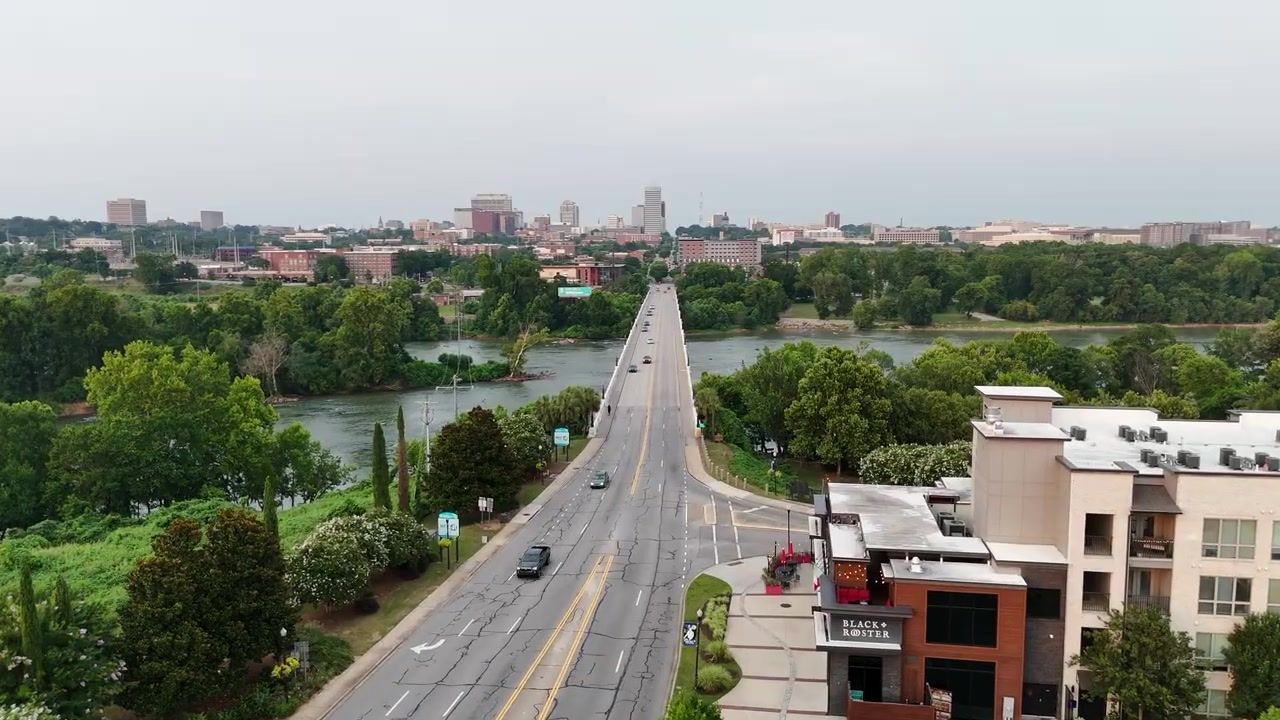
West Columbia , specifically near the River District, gives you that same close-to-downtown lifestyle with river access built in. You're still about 10 minutes from downtown Columbia, still living a day-to-day that feels more urban than suburban, and you've got afternoon walks along the river as part of the routine.
What I've noticed is that some people move here when the kids move out. It's a shift in lifestyle. You're not chasing school zones anymore. You're not worried about the size of the backyard or how close you are to youth sports fields. You're prioritizing proximity to downtown, walkability, and a lifestyle that feels a little more manageable without feeling isolated.
The River District area in West Columbia appeals to buyers who want that urban feel without committing to a high-rise or a condo. You're still in a house, still close to everything, and still living a lifestyle that feels more connected to the city than to the suburbs.
Lexington: Suburban Life, School Zones, and Sunset Boulevard Traffic
If you're living in Lexington , it's probably going to feel much more suburban. But the key here is even within Lexington, you can have truly very different lifestyles. You might have one neighborhood that feels busier because it puts you close to shopping, restaurants, and everything you use every day. Then 10 minutes away, another neighborhood might feel quieter, more established, more spread out, or even start to have a little bit more of that small town feel.
Depending on exactly where you are in Lexington, your connection to Lake Murray, downtown Columbia, the schools, shopping, and even your daily commute can change pretty dramatically. That's why simply seeing a house online that looks like what you pictured doesn't mean the layout and lifestyle around it actually is.
Schools and the 29072 Side
Lexington is one of those areas where schools drive a lot of the conversation. People move here for the schools. But here's the thing: you can have 2 homes less than 5 minutes apart with noticeably different pricing and demand simply because they feed into different schools. That's what we tell people all the time. Even if schools aren't personally important to you, they still matter when it comes to pricing and expectations, especially around the Lake Murray corridor where those lines are not as seamless as you might think. You can have 2 houses in the exact same neighborhood zoned for 2 different high schools.
Our team hears something like this almost every single week: we really want to live in Lexington, we've done all the research and that's where we want to live. Then they get here and they realize that the 29072 side near the lake may be more competitive than they initially expected. So now the tradeoff becomes real. Are those schools in that specific area the priority? If so, maybe we got to look at an older house, a little less square footage or a smaller lot. Or do we keep more of the house and start exploring somewhere like Gilbert or the White Knoll side where the same budget may actually stretch further?
Sunset Boulevard at 5 p.m.
And then there's the traffic. Sunset Boulevard in Lexington at 5 p.m. is one of those things that people mention constantly. It's not Los Angeles gridlock, but it's also not the breeze you might expect from a suburb. If you're commuting during rush hour, you're going to notice it. And if you're coming from a smaller town where traffic was never a thing, it might drive you a little crazy.
Your side of town matters more than people realize because it determines those roads that you end up depending on. And that's going to make or break how this move actually feels.
Irmo: Suburban Neighborhoods and Lake Murray Proximity
Irmo is another one of those suburbs that feels much more suburban than the closer-to-downtown areas like Shandon or Heathwood. But just like Lexington, even within Irmo, you can have very different lifestyles depending on exactly where you are. One neighborhood might feel busier, closer to shopping and restaurants. Another might feel quieter, more established, more spread out.
Your connection to Lake Murray varies by location. Some parts of Irmo put you close to the lake, while others feel more removed. And depending on where you are, your daily commute, your access to shopping, and even the vibe of the neighborhood can change pretty dramatically.
What I've noticed is that people who live in Irmo may never end up in Northeast Columbia. Your side of town determines the roads you depend on, the places you go, and the lifestyle you live. And for some buyers, that's part of the appeal. You're not trying to be everywhere. You're settling into your side of town and living a lifestyle that feels a little more manageable.
Some people grow up in Irmo and later move to Lexington for the schools. It's one of those shifts that happens based on where life is pulling you. And that's part of what makes Columbia interesting. You can move around based on what matters most at that stage of life.
Blythewood: A Separate Suburban World
Blythewood is one of those suburbs where people who live here may never go to Lexington. It's not that Blythewood is isolated, it's just that your side of town determines where you spend your time. And if you're living in Blythewood, your day-to-day is probably pulling you in a completely different direction than someone living in Lexington or Irmo.
Blythewood feels much more suburban. Depending on exactly where you are, your connection to Lake Murray, downtown Columbia, the schools, shopping, and even your daily commute can change pretty dramatically. But the key here is that Blythewood lives like its own separate world. You're not necessarily driving across town for dinner or errands. You're settling into your side of town and living a lifestyle that feels a little more removed from the rest of Columbia.
For some buyers, that's exactly what they're looking for. They don't want to be in the middle of everything. They want a suburban lifestyle that feels a little quieter, a little more spread out, and a little more manageable.
Chapin: Lake Murray Lifestyle and Retirement Appeal

Chapin sits on Lake Murray, and that lake lifestyle is a big part of the appeal. If you're living in Chapin, your connection to the lake is probably one of the main reasons you're here. Maybe you're planning retirement on the lake. Maybe you're already there. Either way, Chapin feels much more suburban, but with that lake access built in.
Depending on exactly where you are in Chapin, your connection to Lake Murray can vary. But the vibe here is different from Lexington or Irmo. You're not chasing school zones the same way. You're prioritizing the lake, the lifestyle, and the pace that comes with living on the water.
For some buyers, Chapin is the end goal. They spent years in Lexington or Irmo, and now they're moving to Chapin for that lake lifestyle and retirement appeal. It's one of those shifts that happens based on where life is pulling you. And for people who want that lake access without committing to a vacation town, Chapin delivers.
Which Area Is Right for You? Lifestyle Trade-Offs Across Columbia
Columbia isn't really one lifestyle or the same suburbs kind of repeated northeast, south, and west. You can go 20 or 30 minutes from Columbia in each direction and feel like you're living a completely different lifestyle. That's why you meet people who live here, and for years they moved around based on where life is currently pulling them. Maybe they grew up in Irmo and they moved to Lexington for the schools. Then they spent a handful of years in West Columbia when the kids moved out, and they're planning retirement in Chapin on the lake.
Choose Shandon, Heathwood, or West Columbia near the River District if you want that more urban lifestyle. You're close to downtown, you're walking to coffee, you're home in 10 minutes after dinner in Five Points. Your day-to-day feels more city-oriented than suburban. For some people, that's the whole point of the move.
Choose Lexington if schools are driving the conversation and you're willing to navigate the tradeoffs that come with school zones. The 29072 side near the lake may be more competitive, so you're choosing between an older house in the preferred zone or moving to Gilbert or the White Knoll side where your budget stretches further. And yes, Sunset Boulevard at 5 p.m. is going to be part of your life.
Choose Irmo if you want that suburban feel with varying proximity to Lake Murray depending on where you land. You're settling into your side of town, and you may never end up in Northeast Columbia. For some buyers, that's part of the appeal. You're not trying to be everywhere.
Choose Blythewood if you want a suburban lifestyle that feels like its own separate world. You're not driving across town for dinner or errands. You're living a lifestyle that feels a little quieter, a little more spread out, and a little more removed from the rest of Columbia.
Choose Chapin if the lake lifestyle is the priority. You're planning retirement on the lake, or you're already there. You're not chasing school zones the same way. You're prioritizing Lake Murray access and the pace that comes with living on the water.
For most people, Columbia isn't about having everything right outside your front door. It's more about having the things you actually use close enough without feeling like you're living in the middle of a major metro. You're probably driving to dinner, you're driving to the grocery stores, you're driving the kids to practice, but you're also not necessarily fighting for parking, waiting an hour everywhere you go, or feel like everything has to be a production.
And there's another part of the day-to-day life here that's a little bit harder to put on a map. When you're out and about, you bump into a neighbor at the grocery store and them talking for 10 minutes. Your kid's teacher is sitting 2 tables over at dinner and you stop by just to say hi. The guy who greets you every Sunday at church is standing in the aisle with his kids at Lowe's picking up something for whatever home project he's working on. It's those little moments where depending on where you live, the area can actually start to feel smaller and more familiar pretty quickly.
For a lot of people we help, that's the appeal. Life just feels a little more manageable, not slower in the sense that nothing is happening, just a little less intense. And sometimes it can bring back a little bit of that nostalgia of what childhood used to feel like when life felt a little simpler and the people around you felt a little more familiar. Whether that sounds great or terrible probably tells you a lot about whether Columbia is going to work for you.
Conclusion: What to Do Before You Save Another House Online
Before you save another house online, because I know you probably already have a list growing, write down 3 things. What absolutely has to be true about your day-to-day life? Keep in mind, it may look different than where you are now. Next, what are you willing to compromise on? There's always going to be some kind of trade-offs. Even with a million-dollar budget, some things just don't exist here in the way that people assume. And third, what would make you regret the move 6 months from now? This one's probably the most important because your priorities may change once you see this place in person, but regret is what will keep you up at night.
Once you know those 3 things, the house search gets a whole lot easier. Then reach out to our team. Send us your budget, your wants, your needs, and what you're trying to get out of the move. We'll help you start narrowing down which areas might actually make sense once you're here versus what you're seeing online. We have some free guides and resources to help you with this so you don't feel that overwhelmed feeling you might be feeling right now.
Our local real estate team has helped more than 150 families relocate to the Columbia area, and we've experienced the relocation process ourselves. We'd love to help you explore neighborhoods, compare homes, and find the area that best fits your lifestyle and budget. Call or text me at 803-999-4663 and let's have a conversation about what you're looking for and figure out which version of Columbia makes sense for you.
FAQ: Moving to Columbia, South Carolina
What is the cost of living in Columbia, South Carolina?
Columbia offers lower property taxes on primary residences compared to many parts of the country, but you'll also pay annual property taxes on vehicles, boats, and RVs. Car insurance can run a little higher than some expect. Utilities and homeowner's insurance generally aren't shocking. Second homes and investment properties face tax bills about 4 to 5 times higher than primary residences.
How bad is traffic in Columbia, SC?
Compared to Los Angeles, Atlanta, or New York, Columbia traffic is not that bad. You won't sit in hours of gridlock on the interstate. But compared to a smaller town, Sunset Boulevard in Lexington or Two Notch Road in Northeast Columbia at 5 p.m. may drive you crazy. Your side of town determines the roads you depend on, and that makes a big difference in how the commute feels.
What is the weather like in Columbia, South Carolina?
Summer is hot, humid, and long. July and August can be relentless. Columbia sees more days with sunshine than the national average, roughly 2 extra months of sunshine over the course of a year compared to parts of the Northeast. Columbia is inland, so you're not dealing with the same hurricane experience as living directly on the coast, but tropical systems can bring heavy rain, flooding, strong winds, and occasional tornadoes.
How do I choose the right neighborhood in Columbia, SC?
Write down what absolutely has to be true about your day-to-day life, what you're willing to compromise on, and what would make you regret the move 6 months from now. Then reach out to a local real estate team who can help you narrow down which areas make sense based on your budget, commute, lifestyle, and priorities. Columbia isn't one lifestyle repeated in each direction, your side of town matters more than people realize.
What should I know about buying a home in Columbia, SC?
Better homes can still move quickly and have multiple offers, while homes with condition, pricing, or location challenges may sit longer. Listing photos can be misleading. The important question isn't 'can I buy a house for $X in Columbia?' but 'can I buy the version of the house and lifestyle I pictured for $X?' Expectation mismatches happen at all budget levels.
How do I research schools in Columbia, South Carolina?
Look at the actual data behind school ratings: graduation rates, academics, sports, extracurricular programs, classroom size. Visit schools in person if you can. Many clients walk into a school convinced they want that one area and walk out going a different direction. School zones affect pricing and demand even if schools aren't personally important to you, especially around the Lake Murray corridor where you can have 2 houses in the exact same neighborhood zoned for 2 different high schools.
Brandon Garon
We provide honest and transparent insights into relocating to the Midlands of South Carolina. Brandon's mission is to help you confidently decide if South Carolina is right for you—without hidden fees or sales pitches.
Call / Text: 803-999-4663


Recent Posts