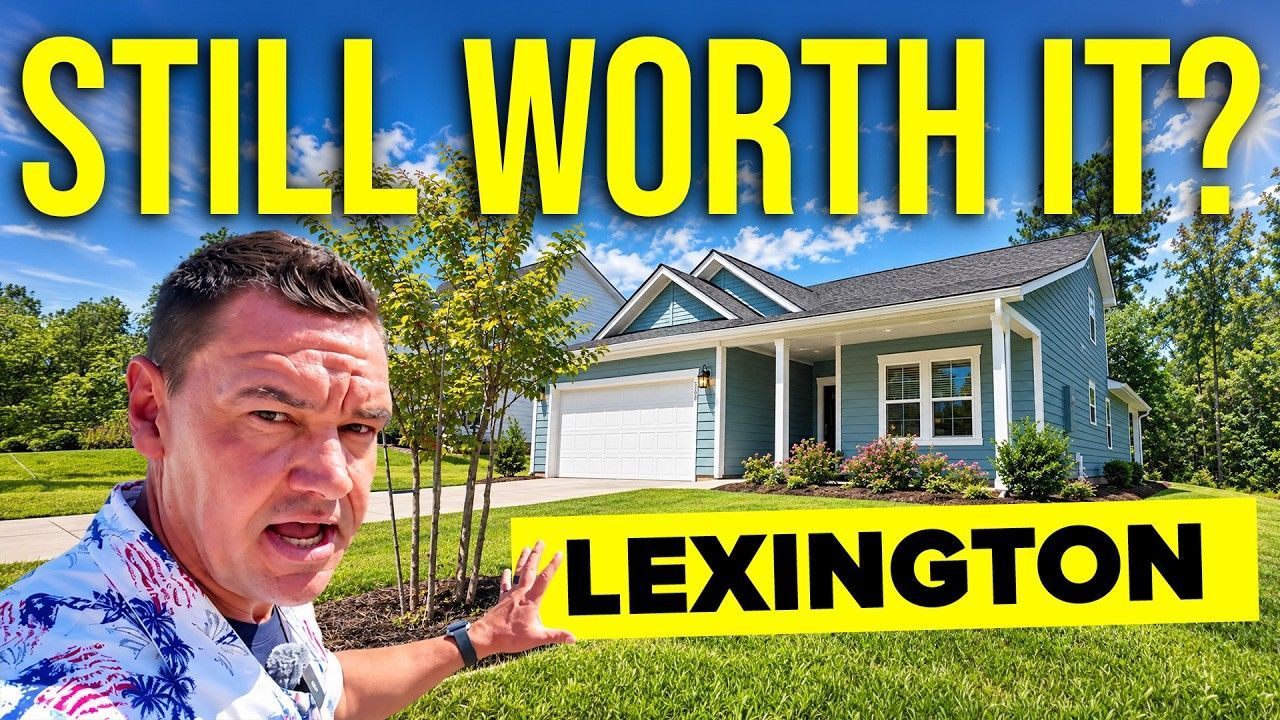
That is where the confusion comes in. One headline says the market is frozen. Another says buyers are about to flood back in. The boots-on-the-ground reality is more nuanced. The Columbia SC housing market is becoming more selective, and the opportunity depends heavily on the neighborhood, condition, price range, and type of home involved.
For anyone relocating to Columbia SC, buying locally, selling a home, or trying to figure out whether waiting makes sense, broad national predictions will only get you so far. You need to understand what is actually happening in the specific segment of the market where you plan to make a move.
Table of Contents
Columbia SC Housing Market Overview
People are still buying homes, even with higher prices, mortgage rates, insurance, utility costs, and property taxes. Some buyers have absolutely stepped back because the numbers do not work comfortably for them. Affordability remains one of the biggest barriers in the Columbia SC housing market.
But demand has not disappeared. People move for jobs, retirement, more space, growing families, proximity to parents or grandchildren, military assignments, and a lifestyle that feels more manageable than where they currently live. Real estate is financial, but it is also personal. Most people cannot put their entire life on pause waiting for a perfect market to show up.
A recent Bank of America home buyer report found that 79% of prospective buyers planned to move forward regardless of market conditions. That does not mean everyone feels great about affordability. It means people are starting to accept that life decisions do not always line up with ideal mortgage rates or ideal prices.
That is a big part of the story in the Columbia SC housing market. Demand has changed, but it has not gone away. More first-time buyers are entering the conversation, and many relocating households are still looking for a different quality of life in the Midlands.
How Mortgage Rates Affect the Columbia SC Housing Market
The fastest way to change buyer behavior right now is a meaningful movement in mortgage rates. When rates improve, more people start reaching out, monthly payments feel more manageable, and buyers who had backed away begin reconsidering their plans.
Builders understand this, which is why some are offering aggressive rate incentives. The payment often matters more than a small adjustment to the purchase price. A buyer may be much better off with closing-cost help that lowers their rate than with a modest price reduction that barely changes the monthly payment.
Rates can also change fast. A buyer can receive a lender quote, go under contract two days later, and find that the rate has moved substantially before the week is over. That can shift purchasing power and monthly costs in a hurry.
One important thing to understand is that the Federal Reserve does not directly set mortgage rates. Mortgage rates are more directly influenced by the bond market, longer-term Treasury yields, inflation expectations, economic growth, demand for mortgage-backed securities, and overall investor confidence.
Waiting for a lower rate could improve a future payment. It could also bring a lot more buyers back into the Columbia SC housing market at the same time. That may mean more competition, less seller flexibility, fewer incentives, and more multiple-offer situations.
The better approach is not trying to predict every Fed decision or headline. Ask these practical questions instead:
Does the payment work comfortably today?
How long do you expect to own the home?
How competitive is the specific neighborhood and price range?
Would you have the ability to refinance later if conditions improve?
Are seller credits or builder incentives available right now?
No one can guarantee future rates, future prices, or future incentives. Make a decision based on your real situation, not only a guess about where rates might be six months from now.
Columbia SC Housing Market Trends and Inventory
The latest Columbia SC housing market data tells a pretty clear story: inventory is rising, but the area is not overflowing with homes.
New listings are up 10.4%.
Pending sales are up 5.7%.
Closed sales are up 3.7%.
There are approximately 3,896 homes for sale.
Inventory stands at about 3.3 months of supply.
That 3.3 months of inventory is still generally considered a seller’s market, but it is a more balanced version of one. More homes are becoming available, and buyers have more time and more options than they did during the peak frenzy. Still, this is not a market with an unlimited supply of homes sitting around waiting for buyers.
New listings are growing faster than buyer activity, which is creating some breathing room. Buyers can compare homes, negotiate in the right situations, and be more selective. But clean, updated, appropriately priced homes are still moving quickly.
The Columbia SC housing market is not a universal buyer’s market, and it is not a universal seller’s market. It depends.
Columbia SC Neighborhood Price Trends
Broad averages can be misleading because there is not one single Columbia SC housing market. Lexington is not behaving exactly like Northeast Columbia. Irmo is not behaving like Lake Murray . Even homes in the same neighborhood can have completely different outcomes based on condition, price, lot, updates, and presentation.
Irmo
In Irmo , average sales prices increased from roughly $332,000 to $342,000, or about 3%. The median price was up less than 1%. That tells us prices are largely holding steady, but they are not running away from buyers.
Lexington
Lexington
is showing stronger growth. The average sales price rose from about $379,000 in 2025 to about $395,000 at the start of 2026, roughly a 4.5% increase. The median increased about 1.4%.
The difference between the average and median matters. It suggests the higher end of the market may be helping pull the average upward faster than the middle of the market.
Northeast Columbia And Blythewood
Northeast Columbia , including Blythewood , looks different. The average price declined from about $345,000 to $335,000, a decrease of roughly 2.9%, while the median price remained almost flat.
That does not mean every home lost value. A change like this can reflect more activity at lower price points, new-construction competition, or a different mix of homes selling during the period.
Lake Murray
Lake Murray
is telling a different story again. Across lake areas in Irmo, Chapin, and Lexington, the average sales price increased from approximately $1.15 million to $1.2 million, about 4.3%. The median price increased nearly 10%.
So when someone says the Columbia SC housing market is flat, that can be technically true at a broad level. It also misses what is happening in specific areas and price ranges. Lexington and higher-end lakefront properties are not telling the same story as Northeast Columbia.
Types of Homes in the Columbia SC Housing Market
Most listings in the Columbia SC housing market fit into one of three broad categories: competitive homes, negotiable homes, and stagnant homes. Knowing which category a property belongs to can save buyers and sellers a lot of frustration.
Competitive Homes
Competitive homes are priced realistically, show well, and give buyers the combination they are already looking for. They may be move-in ready homes in desirable school zones, well-maintained lake properties, ranch homes where inventory is limited, updated character homes, popular new-construction floor plans, or rare acreage properties with features like a workshop or pond view.
Sometimes the home does not have one flashy feature. It simply has the right price, the right condition, and the right location all at once. These homes can still sell fast and can still receive multiple offers.
For buyers, do not assume that rising inventory means every seller will negotiate heavily. If the right home comes up, have financing ready, understand comparable sales, know your limits, and act decisively without being reckless.
For sellers, do not see a nearby home sell quickly and assume you can automatically add $25,000 to your list price. That home may have moved because it was priced correctly from the beginning.
Negotiable Homes
Negotiable homes may have been on the market 14 to 30 days, need cosmetic updates, compete with new construction , have a seller who has already moved, or sit in a narrower buyer pool due to layout, location, size, or price point.
This is where real opportunities can show up, but a deal is not always a giant discount off the sales price. The best negotiation is the one that solves the buyer’s actual problem.
A first-time buyer may benefit most from seller-paid closing costs and a rate buy-down.
A new-construction buyer may prefer appliances and closing-cost help over a small price reduction.
Another buyer may need the lower purchase price more than anything else.
Some buyers may value repairs, timing flexibility, or reduced cash needed at closing.
The best deal is not always the lowest price. It may be the lower payment, the lower upfront cost, or fewer major expenses after move-in.
Stagnant Homes
Stagnant homes are the listings people tend to see most often online because they have been sitting the longest. Those are the homes that make the market look frozen, but they are not necessarily a full picture of the Columbia SC housing market.
Sometimes the issue is fixable. The photos may be poor, the marketing may be weak, or the presentation may not help buyers understand the home’s value. More often, though, the home is simply priced above what buyers believe it is worth.
Common buyer concerns include:
An undesirable location
A floor plan that does not function well
A lot that feels too small compared with competing homes
Deferred maintenance
Updates that cost more than the offered discount justifies
A value that does not make sense beside better available options
A stagnant listing can create an opportunity, but only when you understand why other buyers passed on it. There is a real difference between buying an overlooked home and buying somebody else’s problem.
Finding Opportunities in the Columbia SC Housing Market
Opportunity in the Columbia SC housing market does not require a market crash. Could certain homes or areas soften further? Absolutely. Could the economy change? Of course. But the current local numbers do not show a market in freefall.
What they do show is more inventory, modestly growing sales activity, and generally flat pricing or slight increases. The opportunity may be:
Having more homes to compare
Negotiating closing costs
Receiving a builder incentive
Getting inspection issues repaired
Buying without competing against 15 other offers
Finding a home where the seller is willing to work with your timeline
This feels very different from the intense competition of 2021, but when you zoom out, it resembles a more balanced local market. Do not let one national headline tell you whether it is time to buy a four-bedroom home in Lexington, whether a Blythewood builder has strong incentives, or whether a Lake Murray listing is priced correctly.
Your opportunity is specific to your budget, your timeline, your home type, and the location you are actually considering.
Relocating to Columbia SC: Beyond Home Prices
When relocating to Columbia SC , do not focus only on the purchase price. A cheaper house is not automatically the more affordable house if insurance, repairs, commuting costs, utilities, or other monthly expenses are significantly higher.
Build your decision around the complete monthly picture:
Mortgage payment and interest rate
Property taxes
Homeowners insurance
HOA fees
Utilities
Expected maintenance and repairs
Commuting costs
South Carolina vehicle property taxes
Vehicle property taxes are an expense many people forget when relocating to Columbia SC for the first time. That is why it is so important to evaluate the full cost of living, not just what the listing price appears to be online.
Your timeline matters just as much. A buyer moving for a job in 60 days has a very different strategy from someone planning retirement two years from now. A first-time buyer who expects to stay seven to ten years has a different decision from someone relocating near Fort Jackson who may move again in four years.
There is no universal answer. The goal is not perfect market timing. The goal is making a move that still works if the market does something you did not predict.
Columbia SC Housing Market Outlook for Buyers and Sellers
Did buyers miss their opportunity in the Columbia SC housing market? That depends on what they are comparing it to.
If you are waiting for 2018 home prices or 2021 mortgage rates, that window may have passed. Homes near town are not priced the way they were years ago. But for someone moving from a much larger metro, Columbia may still represent an incredible value.
One recent buyer from California purchased a beautiful property on acreage backing to a community pond for roughly half the price of their California tract home. On the other hand, a buyer coming from Florida may not be able to replace their current home in Columbia for the same price.
That is why the Columbia SC housing market cannot be judged only by its reputation for affordability. Opportunity has to be measured against your current market, your budget, your lifestyle, and what you are actually trying to improve.
Do not wait for a headline to announce that it is officially safe to move. Housing markets rarely offer that kind of clarity. By the time everyone feels completely confident, the opportunity may already have changed.
The market has not stopped moving. It has become more selective. Good information, a realistic budget, and a clear understanding of the specific home you are considering matter far more than reactive decisions based on broad national noise.
Frequently Asked Questions About The Columbia SC Housing Market
Is The Columbia SC Housing Market A Buyer’s Market?
Not across the board. With about 3.3 months of inventory, the broader market still leans seller-friendly, but it is more balanced than it has been. Buyers have more choices and some negotiation opportunities, while well-priced, move-in-ready homes can still sell quickly and receive multiple offers.
Are Home Prices Falling In Columbia SC?
Overall pricing is mostly flat, with the median sale price up about 0.1%. However, local trends vary. Lexington and Lake Murray have shown growth, Irmo prices are generally holding, and Northeast Columbia and Blythewood have seen a lower average sales price while median pricing has remained nearly flat.
Should I Wait For Mortgage Rates To Drop Before Buying?
Waiting may improve your payment if rates fall, but it could also bring more competition into the market. The better question is whether the payment works today, whether the home fits your timeline, and whether available seller credits or builder incentives create an opportunity that makes sense now.
What Should I Consider When Relocating To Columbia SC?
Consider the full monthly cost, including mortgage payment, insurance, property taxes, HOA fees, utilities, commuting, repairs, and South Carolina vehicle property taxes. Also consider your timeline, desired lifestyle, job location, and how long you expect to own the home.
Where Are Buyers Most Likely To Find Negotiation Opportunities?
Negotiation opportunities are more likely with homes that have been listed for a few weeks, need cosmetic updates, compete with new construction, have moved-out sellers, or appeal to a smaller pool of buyers. The strongest opportunity may be closing-cost assistance, a rate buy-down, repairs, appliances, or flexible timing rather than a major price cut.
If you're thinking about buying a home or relocating to the Columbia area, let's discuss your goals and create a strategy that fits today's market. Call or text me at 803-999-4663
for personalized guidance on the Columbia SC housing market and to find the right home at the right time.
READ MORE: 6 Columbia, SC Lifestyles You Wouldn't Expect