Moving to Columbia, SC: The Real Costs and Lifestyle Trade-Offs
I've watched many people move to Columbia, South Carolina, hoping to save money, only to decide six months later that it wasn't the right fit. They didn't dislike their homes, and they didn't necessarily dislike Columbia. Something about the lifestyle just wasn't what they expected. So, if you're considering moving to Columbia, here's an important question to ask yourself: Does this area fit the life you want, or does it simply look more affordable than where you live now?
Maybe you're coming from California, New York, Arizona, or South Florida, where rising insurance costs and expensive housing are making it harder to get ahead. Then you start looking at homes in Columbia for around $350,000, with more space, a yard, lower monthly payments, and access to local schools. On paper, the move makes a lot of sense. But affordable housing doesn't automatically mean a better lifestyle, and there are some important trade-offs you should understand before making the move.
When my wife and I moved to South Carolina more than ten years ago, affordability was one of our biggest priorities too. We had never owned a home in California, so finding a place we could comfortably afford was important. I understand why so many people are looking at the Columbia area for the same reason. However, there's a big difference between choosing a place because it offers better value and choosing one that genuinely fits your everyday life.
If you're thinking about relocating to Columbia, SC, this guide will walk you through what you can save, the hidden costs you might overlook, and the lifestyle adjustments that can catch newcomers by surprise. We'll compare Columbia, Lexington, and Lake Murray, including housing prices, everyday conveniences, community features, and what you can expect at different price points. We'll also discuss why some families decide to move back within a year and how to avoid making a relocation decision based on affordability alone. By the end, you'll have a clearer picture of whether moving to Columbia, South Carolina, is the right decision for your lifestyle and budget.
Table of Contents
- Columbia: Affordable Housing and the Reality of Suburban Sprawl
- Lexington: Friendly Community Without the Master-Planned Amenities
- Lake Murray: Premium Pricing for Lake Access
- Hidden Costs That Shrink Your Savings
- The Support System You Can't Replace
- Which Area Is Right for You: Lifestyle vs. Price Point
- Conclusion
Columbia: Affordable Housing and the Reality of Suburban Sprawl

Let's start with what draws people here in the first place. Columbia offers homes around $350,000, with resales under $400,000 and even under $300,000 available in many neighborhoods. Compared to California, New York, Arizona, or South Florida, that's a massive difference. You get more space, yards, local schools, and lower payments. For a lot of families, that means disposable income for travel or savings they've never had before.
But here's the first thing that surprises people when we get on a Zoom call: it's not the house, it's everything around it. Columbia isn't built like a master-planned community. Most areas here are either suburban sprawl or rural. That means you're car dependent. Daily errands, groceries, gas, Target, are usually fifteen to twenty minutes. Big amenities like Costco or Trader Joe's are twenty-five to thirty minutes, not five. You might be close to something, but you're not close to everything.
I had a family reach out from California. You could hear the excitement in their voice. Back home they felt stretched thin, trying to plan for retirement but still struggling to get ahead. Their kids were grown with kids of their own, but they were stuck in tiny apartments with no yard, no extra bedrooms for homework and toys, no space for the kids to run. These people weren't chasing luxury. They were chasing relief. And for the first time in a long time, it felt possible, not only for the parents, but for the kids.
On Zoom, they were fired up. They loved Lexington after seeing my blogs and videos. They'd saved homes. They'd even picked out neighborhoods. Their plan was simple: drive around the afternoon they got into town, get a feel for the area, then meet up the next day and start looking at those houses they saved online.
The morning we were supposed to tour homes, they asked if they could stop by my office first. When they walked in, I could tell the excitement was gone. We sat down and they asked the question I hear all the time: "We drove around, but I think we're missing something. We really liked around Lake Murray and downtown Lexington. We even had breakfast over at O'Hara's and everyone was so friendly. But where's the area that's closer to things? You know, those newer homes that are five minutes to shopping, maybe ten minutes to Costco and Trader Joe's. Nice neighborhoods with that community pool, clubhouse, the ones where we could walk or ride a bike to a park or maybe get ice cream."
Columbia isn't built that way. Most areas here are either suburban sprawl or more rural, not master-planned. Your daily life is usually fifteen to twenty minutes. Big amenities, twenty-five to thirty, not typically five. And for the most part, it's very car dependent. That doesn't mean we don't have walkable areas. They do exist, a few of them, but they usually come with trade-offs: older homes, smaller lots, higher price points, or just busier areas. And that's when it hit them. They had a choice to make: either adjust their expectations or adjust their priorities.
Look, I get it. Not everyone desires walkability. For some people, twenty minutes is nothing. But here's something else that catches people when they're shopping online: twenty minutes outside of town here feels very different than twenty minutes outside of most towns where I find most people are coming from. We go from suburbia and strip malls to rural two-lane roads fast. The transitions are quick. You're in a neighborhood one minute, and the next you're on a two-lane road with farmland on both sides.
Now, you can absolutely buy new construction at $350,000 or even below, and you can find plenty of resales under $400,000, even under $300,000. But proximity, character, space between houses, or lake access, there's a premium there. Updated homes in prime areas like Shandon, Heathwood, or Ascot, or larger lots near town, are often over $500,000. Luxury isn't on sale here. If you want the walkable downtown vibe, the updated finishes, the half-acre lot ten to fifteen minutes from amenities, and local schools, that budget shifts.
Before you fall in love with that price point online, reach out first. Because I imagine the goal isn't just to move here, it's to make sure what you're picturing actually exists at that number you have in your head.
Lexington: Friendly Community Without the Master-Planned Amenities
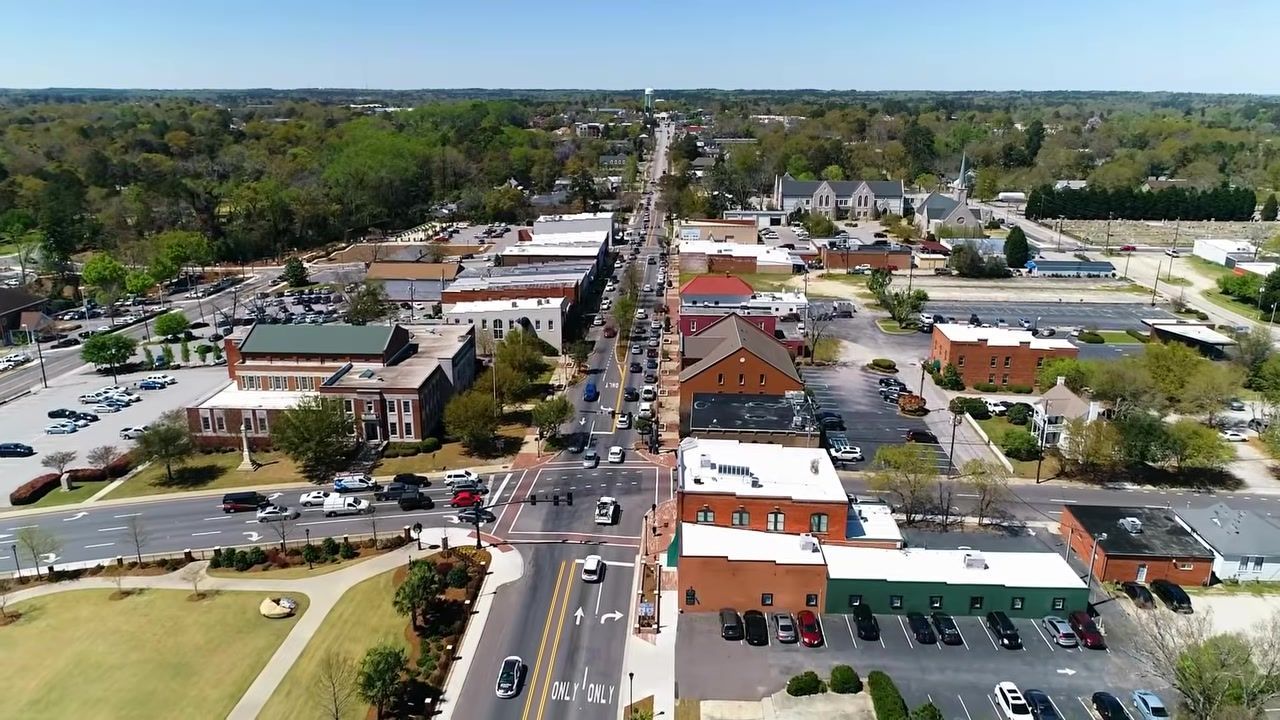
Lexington is one of the areas people ask about most. It's near Columbia, close to Lake Murray, and has a friendly downtown. When my family moved here over ten years ago, we looked at parts of Texas, Florida, and South Carolina. Once we narrowed it down eventually to Lexington , we asked the affordability question: which area fit our budget, not the other way around. And from what I find, that order matters more than a lot of people realize.
A lot of people start with the price first. Where is it cheaper than where we live? And then hope that the lifestyle works after. Or they assume they understand it already and fly out only to be let down, honestly. That California family I mentioned earlier loved Lexington on video. They'd watched the tours, saved the homes, and pictured their life here. But when they drove around, they realized it wasn't five minutes to shopping or Costco or Trader Joe's like they expected. Most areas aren't master-planned with community pools, clubhouses, or walkable parks.
That doesn't mean Lexington isn't a great place to live. Thousands of people move here every year and love it, including my family. The people are friendly. Downtown Lexington has local spots like O'Hara's for breakfast where everyone knows your name. Lake Murray is nearby. The schools are solid. But if you're coming from a place where everything is five minutes away and you expect that same setup here, you'll be disappointed.
We didn't start with price. We started with the lifestyle we wanted. We spent a lot of time asking different questions: where could we actually see ourselves living, raising our kids, and what trade-offs would truly come with it. Once we narrowed it down to Lexington , then we asked which area fit our budget. That approach kept us from making a decision we'd regret six months later.
If you're considering Lexington , think through what your daily life actually looks like. Are you okay with a fifteen-to-twenty-minute drive to most errands? Do you need walkability, or is a yard and space more important? Do you want newer construction, or are you fine with an older home that has character? Those answers will tell you whether Lexington fits your life or just your budget.
Lake Murray: Premium Pricing for Lake Access
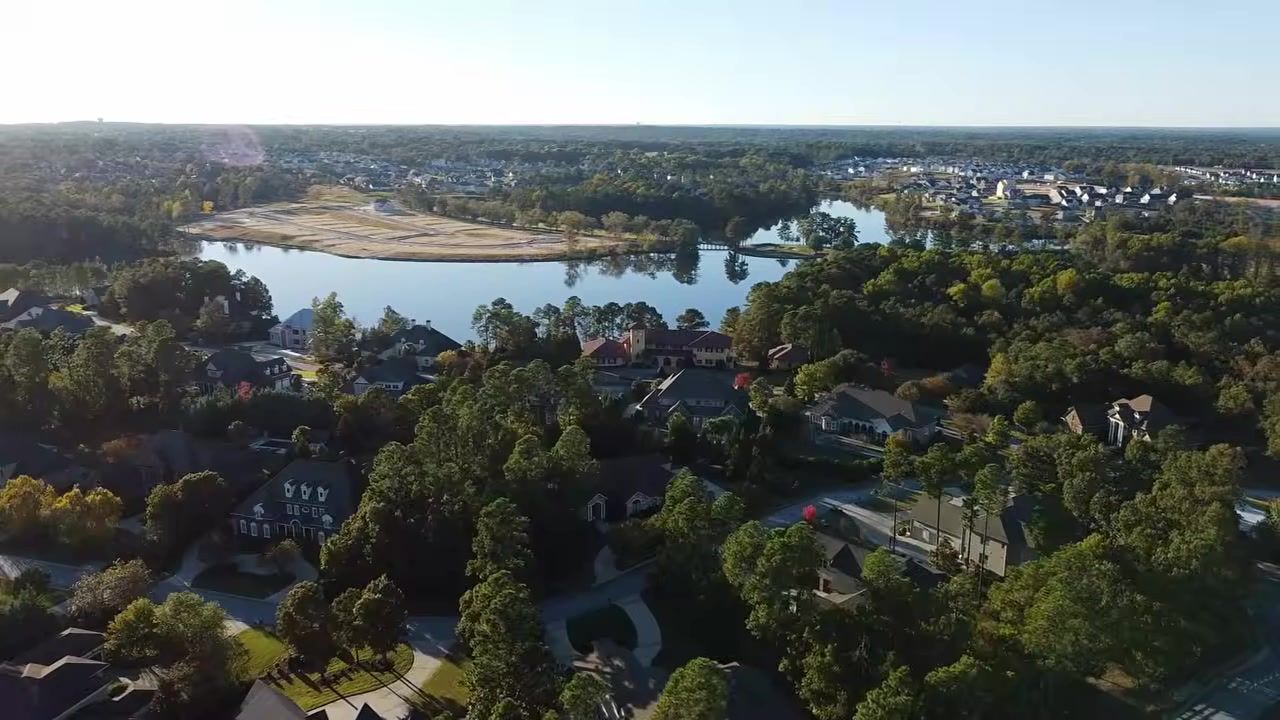
Lake Murray is the area people picture when they think of South Carolina lake living. And honestly, it's beautiful. But here's what catches people off guard: homes on Lake Murray average over $1 million. Lake access commands a premium, and that premium is real.
I had a couple reach out from New York. On the Zoom meeting, they laughed and said, "We're going to take this equity and live like kings somewhere else." They were excited. This was a total reset. And they started listing their must-haves: a home with character but no major work needed, updated finishes, ideally a half-acre lot, ten to fifteen minutes from amenities or a nice downtown where they could grab dinner on date night, maybe fifteen to twenty minutes to Lake Murray , and at least local schools in the area.
Here's the thing. All of that exists here. I didn't have to break their heart. But then they shared their budget, and that's where the surprise came. Homes on Lake Murray , over $1 million on average. Homes on larger lots near town, often over $500,000. Updated homes in places like Shandon, Heathwood, Ascot, or those other prime established areas, also well above $500,000.
Look, yeah, you can buy new construction at $350,000 or even below, and you can find plenty of resales under $400,000, even under $300,000. But proximity, character, space between houses, or lake access, there's a premium there. Lake Murray isn't a discount lake market. It's a premium market within the Columbia area, and the pricing reflects that.
If Lake Murray is on your list, make sure your budget matches the reality. Lake access, updated homes, and proximity to town all cost more here than in other parts of the Columbia area. That doesn't mean it's not worth it, it just means you need to go in with your eyes open.
Hidden Costs That Shrink Your Savings
Let's talk about the costs people don't see coming. Housing here is cheaper than the national average, but South Carolina has some expenses that shrink that savings gap faster than you'd think.
First, vehicle property tax. Every single year. Yeah, every year. If you're coming from a state without that, it's a surprise. Utilities can be higher, especially in the summer. We have real heat here, and yeah, it still gets cold in the wintertime too. Your HVAC will run more than you expect.
If you're coming from places like Texas, Tennessee, or Florida, we have state income tax here. That's another line item a lot of people don't budget for. Car insurance, from what a lot of people find, is often higher than expected. And if you're buying now but moving into that house later, secondary property taxes here locally can be four to five times higher until you make it your primary residence.
When you stack those together, the huge savings doesn't always feel so huge. Just to be honest, these usually aren't the reasons people end up moving back. It just forces them to rework the math or rethink how they're going to approach this process. But it's why we always tell people: before you fly in and fall in love with a house, let's talk through those numbers first. Because sometimes, yes, you are saving money, but the lifestyle doesn't always match what you thought you were paying for.
The Support System You Can't Replace
Here's the real reason I see people move back. And it has nothing to do with the house.
About a year after someone moves here, I'll get a call. "Brandon, we need to sell and go back home." I'm always a little surprised when I hear that because these are usually the same clients who were the most excited on closing day. They're always talking about how much money they were saving moving here, how much further their budget went, and what a relief it felt like.
But after seeing this happen more than a few times, I started noticing this pattern. I come in and we sit down at the kitchen table and I ask, "What's going on?" And the conversation usually starts the same. "Brandon, we absolutely love our house. We even like the area. We've made some really good friends here, and we actually have that disposable income to travel more like we always dreamed of."
But then it comes out. "We miss our support system. We miss Sunday dinners, holidays with the family, friends we've known for twenty years. Our kids miss their friends. They miss built-in community."
Cheaper housing doesn't replace that babysitter you trust, emergency help, those holiday traditions you have, familiar rhythms. Look, I get it. My parents, brothers, and sisters are all over two thousand miles away. It's hard. Some people build new community, make new traditions, and find new rhythms. And the occasional trip back home is enough. Others just decide it's not worth it.
If you're moving here only for cost, but your whole life is rooted somewhere else, think that through before you sell everything. Because a cheaper house is great, but it won't hug your grandkids on Christmas morning.
Moving states isn't a transaction. It's a total lifestyle swap. And trust me, as someone who made this move over a decade ago, it's not the same thing as moving across town or to the next zip code over.
Which Area Is Right for You: Lifestyle vs. Price Point
So how do you choose between Columbia , Lexington , and Lake Murray ? Start with lifestyle, not price.
Choose Columbia if you want affordability and you're okay with suburban sprawl or rural living. You'll get more space, lower payments, and local schools. But expect fifteen-to-twenty-minute drives for daily errands and twenty-five-to-thirty minutes for big amenities. If you need walkability or master-planned communities, you'll pay a premium for the few areas that offer it, and those homes are often over $500,000.
Choose Lexington if you want a friendly community near Lake Murray and downtown Lexington, and you're okay with the same trade-offs as Columbia. You won't be five minutes from Costco or Trader Joe's. Most areas aren't master-planned. But the people are friendly, the schools are solid, and you'll have access to Lake Murray without paying lake prices.
Choose Lake Murray if lake access is a priority and your budget is over $1 million. Homes on the lake average over $1 million, and that premium reflects proximity to the water, updated finishes, and larger lots. If you want the lake lifestyle, budget for it.
Here's the bigger question: are you moving here because it fits your life, or just because it's cheaper than where you're coming from? If the answer is only cheaper, pause. Think through what your daily life actually looks like. What are the true priorities in your life, not just the four walls around you? Because the people who love it here are the ones who chose Columbia for the lifestyle, not just the price tag.
Conclusion
Look, if Columbia is on your list because it's cheaper, I'm not saying don't move here. Thousands move here every year and absolutely love it, including ourselves. All I'm saying is don't let cheaper be the reason you bet your whole life on this.
Before you fall in love with a listing that looks like a dream online and book the flight, let's chat. Our conversations go far beyond how many bedrooms you need or which schools people say are good online. Choosing the right part of this area takes more than that generic home search based on a budget. It's a much deeper conversation. Tell me what your life actually looks like, the things that are true priorities in your life, not just the four walls around you. And I'll give you the honest version of what that life looks like here and what it truly costs.
Move with clarity, not just hope. Call or text me at 803-999-4663 and let's make sure Columbia fits your life, not just your budget.
FAQ: Moving to Columbia, South Carolina
Is Columbia, SC really that much cheaper than other cities?
Yes, housing in Columbia is cheaper than the national average, especially compared to California, New York, Arizona, and South Florida. You can find homes around $350,000, with resales under $400,000 and even under $300,000. But hidden costs like vehicle property tax every year, higher utilities, state income tax, and higher car insurance shrink that savings gap faster than you'd think.
What are the hidden costs of living in Columbia, SC?
South Carolina has vehicle property tax every year, state income tax (unlike Texas, Tennessee, or Florida), higher utilities especially in summer, and often higher car insurance than people expect. If you're buying now but moving in later, secondary property taxes can be four to five times higher until you make it your primary residence.
Is Columbia, SC walkable?
Most areas in Columbia are suburban sprawl or rural, not master-planned. Daily errands are usually fifteen to twenty minutes, and big amenities are twenty-five to thirty minutes. Walkable areas do exist, but they come with trade-offs: older homes, smaller lots, higher price points, or busier areas. If walkability is a priority, expect to pay a premium.
How much do homes cost on Lake Murray?
Homes on Lake Murray average over $1 million. Lake access commands a premium, and that premium reflects proximity to the water, updated finishes, and larger lots. If you want the lake lifestyle, budget for it.
Why do people move back after relocating to Columbia, SC?
The biggest reason I see people move back within six months to a year is missing their support system: family, longtime friends, holiday traditions, trusted babysitters, and emergency help. Cheaper housing doesn't replace built-in community. Moving states is a total lifestyle swap, not just a transaction.
Should I visit Columbia before buying a home?
Yes. What looks like a dream online can feel very different in person. Twenty minutes outside of town here feels more rural than twenty minutes outside of most origin cities. We go from suburbia to rural two-lane roads fast. Visit first, drive the areas, and make sure what you're picturing actually exists at your budget before you book the flight and fall in love with a listing.
Brandon Garon
We provide honest and transparent insights into relocating to the Midlands of South Carolina. Brandon's mission is to help you confidently decide if South Carolina is right for you—without hidden fees or sales pitches.
Call / Text: 803-999-4663


Recent Posts