Moving to Columbia SC can look like an easy win from a distance. Lower housing costs than many major metros, friendly people, sunshine, and a location between the mountains and the coast all sound pretty great. And honestly, there is a lot to love here.
But the move gets real when you start comparing actual homes, actual commutes, actual paychecks, and the humidity that hits you the second you walk outside in July. The expensive mistake is not choosing Columbia. It is arriving with an online version of Columbia in your head and finding out it works differently in person.
If you are seriously considering moving to Columbia SC, here is the straight-shooting version of what to think through before booking a house-hunting trip or signing a contract.
Key Takeaways
- Columbia can offer more value than major metros, but desirable features such as land, lake access, and walkability still command value.
- Build a full relocation budget that includes local income expectations, summer utilities, vehicle taxes, and insurance.
- Test commutes at peak times and evaluate neighborhoods based on lifestyle fit before relying on broad online ratings.
- Southern heat and humidity are real, but homes and daily routines are built around adapting to them.
Table of Contents
- Moving to Columbia SC: Home Expectations
- Living in Columbia SC: Budget & Costs
- Moving to Columbia SC: Weather & Summers
- Columbia SC Traffic & Commute Times
- Columbia SC Safety & Schools
- Moving to Columbia SC: Finding the Right Fit
Moving to Columbia SC: Home Expectations
Columbia is affordable relative to places such as Los Angeles, New York, Phoenix, and many parts of the Northeast. But affordable does not mean every desirable feature is automatically discounted.
A buyer coming from California once came in with a very clear picture: a newer or updated home near shopping and restaurants, easy access to Lake Murray, room to walk the dogs, at least half an acre, and a price below $375,000. Sounds reasonable when you are comparing Columbia to California.
After one day of showings, though, the market reality became clear. The combination of newer construction, walkability, strong school zoning, acreage, lake access, and close-in amenities costs more. You can absolutely find homes under that budget, including updated and newer homes. What may not line up is getting every postcard feature at once.
This is where online searches can mislead people. A listing photo can make a house look updated, a map can make a location look convenient, and a broad price range can make the market feel simple. Then you get here and realize that a house that appears close to everything may feel isolated, or that a renovated home does not have the lot size, neighborhood feel, or commute you expected.
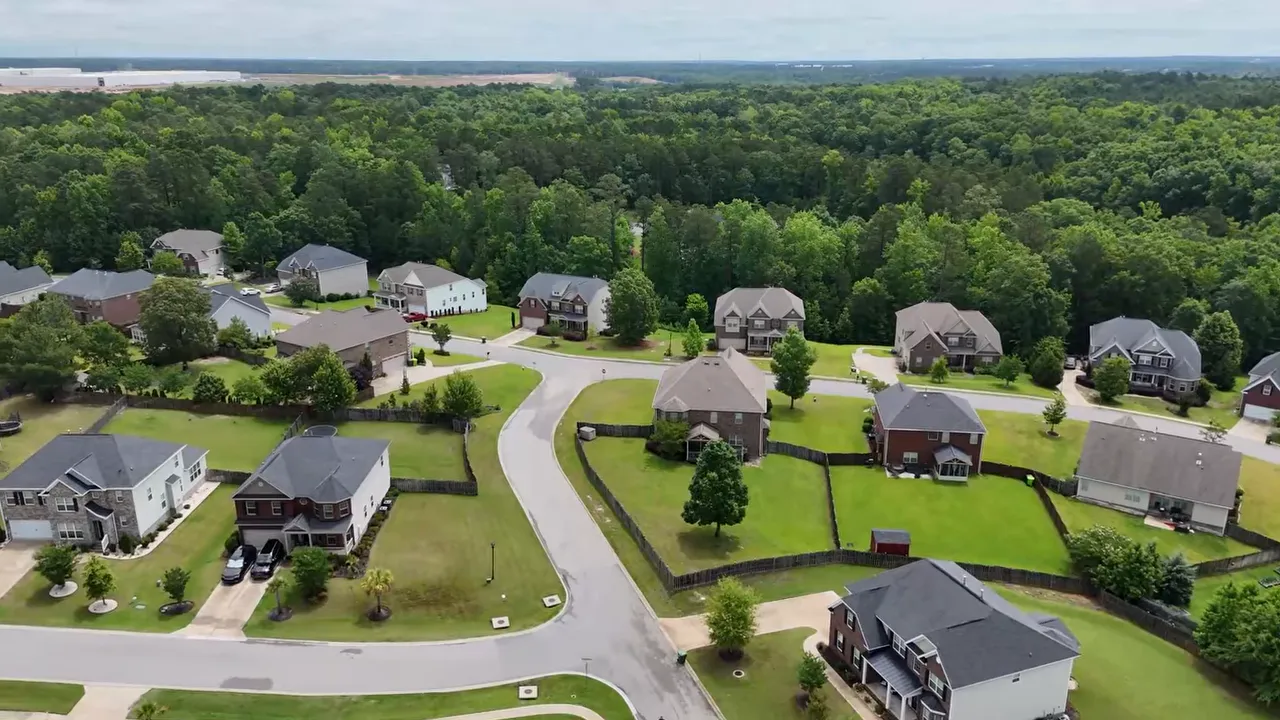
When moving to Columbia SC, identify the features that truly matter most. You may have to choose between some of these:
- A newer or recently updated house
- A larger lot with privacy
- Walkability to restaurants and shopping
- Lake Murray access or waterfront living
- A shorter commute
- A particular school zone
- An established neighborhood with character
The California buyers eventually found an updated home in a nice neighborhood, room to walk their dogs, and amenities about 10 minutes away. It was not a half-acre lot, but it did not feel cramped either. Once they stopped looking for a carbon copy of the original plan, the move made sense.
How far your money goes here and “Columbia is cheap” are two very different things. The first is honest. The second is a sales pitch.
Living in Columbia SC: Budget & Costs
A lower purchase price does not automatically mean more disposable income. That is one of the biggest assumptions people make when they are moving to Columbia SC.
Consider the experience of a nurse relocating from the Northeast. She wanted warmer weather, more room, and less financial pressure. The housing prices looked promising, but her lender needed her to secure a local job before issuing a full-time relocation pre-approval. Once she started comparing local salary ranges, she found the income side of the equation was different too.
Columbia has a steady economy supported by Fort Jackson, the University of South Carolina, government employment, health care, and other established sectors. That steady base is a strength. It also means this is not a city where every profession comes with a big-tech salary jump.
For people moving to Columbia SC, the income picture often looks like this:
- Remote workers may benefit the most when they keep an out-of-market salary.
- Company transfers may have more stability and a clearer relocation path.
- Local job seekers need to research salary ranges before setting a housing budget.
Sometimes the move puts a household ahead financially. Sometimes it is an even trade. Sometimes it is a step back initially, especially when a local salary changes more than expected. The point is to calculate the lifestyle, budget, and timeline before committing.
Do not forget the costs that can surprise people after closing:
- Higher summer utility bills, especially for anyone coming from a mild climate
- Annual vehicle property taxes
- Car insurance costs that may be higher than in the state you are leaving
- The usual moving, furnishing, and setup costs of starting over
When you are moving to Columbia SC, the house payment is only one line in the budget. Get clarity on the whole picture first.
Moving to Columbia SC: Weather & Summers
Warm weather is a major reason people consider living in Columbia SC. Just understand what “warm” means here.
Summers are hot. The humidity is real. Palmetto bugs exist. Columbia is not Tornado Alley and it is not directly on the coast, but it can get the leftovers from hurricanes. Tornado warnings happen from time to time, and an occasional small earthquake is possible.
A buyer from Washington State visited during early fall on what felt like a beautiful South Carolina day: temperatures in the 80s, a little humidity, blue sky, and puffy clouds after a thunderstorm. By mid-afternoon, he was already asking whether it got worse.
It does. July and August can hit hard. If you are coming from the West Coast, the feeling is less like opening an oven and more like opening a dryer mid-cycle. You feel it immediately.
That said, life here is built around the climate. Air conditioning systems are strong, outdoor plans shift earlier in the morning and later in the evening, and pools, screened porches, and lake days make a lot more sense once you live here. The heat is manageable. Pretending it is mild is not.
Moving to Columbia SC is easier when you adjust expectations around intensity, not sunshine. You still get the sunny days and outdoor lifestyle. You simply learn how to time them.
Columbia SC Traffic & Commute Times
Traffic complaints come up constantly, and perspective matters. Compared with Atlanta, Los Angeles, or the DMV, Columbia traffic is manageable. You are generally not sitting on an interstate for an hour barely moving.
But “not a major metro” does not mean no traffic. The frustration tends to come from local choke points: two-lane roads, school drop-off traffic, short green lights, crowded intersections, and infrastructure that was not designed for the growth around it.

A 15-minute commute on a map can turn into 30 minutes at 7:30 in the morning during the school year. That is why moving to Columbia SC should involve more than checking a map app at noon on a Saturday.
Before committing to a neighborhood, do these three things:
- Drive the route to work during peak morning and afternoon hours.
- Check the routes to schools, shopping, medical care, and the places you will visit regularly.
- Think about which side of town supports your daily routine, not just the house you like most.
The right neighborhood can change when you see the commute in real life. It is not catastrophic traffic. It is simply a factor that deserves more attention than people expect.
Columbia SC Safety & Schools
The question comes up every week: where are the safe areas with good schools? It is a completely reasonable thing to ask when moving to Columbia SC. You want confidence before moving your whole life and spending thousands of dollars.
But the answer is not a single neighborhood name, a school rating, a zip code, or a crime grade.
Columbia moves in pockets. One subdivision can have a very different feel and pattern from an area just a few streets away. The difference between two neighborhoods can matter much more than the difference between two towns. That is why sweeping online opinions can send people in the wrong direction.
Take Red Bank and South Lexington as an example. You may see online comments telling people to avoid the area. But a blanket statement does not tell you what the person wanted, what street they experienced, what their personal tolerance is, or whether their lifestyle matches yours. Some clients decide that area is not right for them. Others are very happy there. Both can be true.
Crime maps and reported crime statistics are useful tools, but they are not the full story. Use them to cross-reference a short list after you have already defined the lifestyle you need.
Start With Lifestyle Before Statistics
The best conversation for anyone moving to Columbia SC starts with questions like these:
- What lifestyle do you want?
- What type of home fits you best?
- What commute can you live with?
- Do you want a new build or an established neighborhood?
- Is walkability important, or do you want more privacy?
- Do you want an HOA, or would you rather avoid one?
- How close do you need to be to schools, shopping, Lake Murray, or work?
Once you know how you actually live, it becomes much easier to narrow the search to one or two areas. Then you can visit schools, drive the neighborhoods, check the commute, look at growth patterns, and use available data with context.
A place that feels rural today may have new construction signs around it in a few years. A school that receives rave reviews online may not feel like the right fit when you visit. The goal is not to label a neighborhood good or bad. The goal is to find a place that fits your family with confidence.
Moving to Columbia SC: Finding the Right Fit
After helping hundreds of households work through moving to Columbia SC, there are usually two types of calls.
The first person describes where they live now and asks, “Where can I find something exactly like this, but cheaper?” The second person describes the life they want and asks, “Which part of Columbia fits that lifestyle within our budget?”
Those questions sound similar, but they lead to very different outcomes.
The first approach tries to recreate the old city. The second approach tries to find the right version of Columbia. That is the better way to relocate.
Columbia is stable, community-driven, slower paced, and affordable relative to the lifestyle available here. But there is not a version of Naples, Austin, San Diego, or another major lifestyle market hiding somewhere in the Midlands. If that is the expectation, no neighborhood search will fix the mismatch.
The concerns around affordability, schools, crime, weather, and traffic are not always deal breakers. Most of the time, they are expectation mismatches. Solve those before you move, and you will have a much better shot at choosing the right home, neighborhood, and daily routine from the start.
Moving to Columbia SC should not be about finding the cheapest listing or the highest-rated school on a screen. It should be about buying with clarity, context, and confidence.

Moving To Columbia SC FAQs
Is moving to Columbia SC affordable?
Columbia is often more affordable than many large metros, particularly for housing. However, desirable locations, new construction, larger lots, lake access, and walkable areas can cost more than online searches suggest.
What hidden costs should I consider when living in Columbia SC?
Budget beyond the house payment. Consider summer utility use, annual vehicle property taxes, car insurance, and whether a local salary will change your overall financial picture.
How bad is traffic in Columbia?
Traffic is manageable compared with major metro areas, but school traffic, two-lane roads, short signal cycles, and growing intersections can add significant time to a commute during peak hours.
How should I research safety and schools before relocating?
Start with your lifestyle, home needs, and commute. Then visit neighborhoods and schools, drive routes at busy times, review growth patterns, and use crime data as one contextual tool rather than relying on broad online opinions.
Don’t choose a home based on a listing or map alone, let’s find the right Columbia SC neighborhood, home, and lifestyle fit for you. Call or text me at 803-999-4663 to get personalized guidance before you make your move!
READ MORE: 8 Columbia South Carolina Areas That Could Surprise Buyers in 2026