Relocating to Columbia SC can look pretty simple from the outside. We see affordable homes, warmer weather, lower property taxes than many states, new construction, established neighborhoods, and Lake Murray sunsets. We may start picturing front porches, boat weekends, and a more relaxed pace without having to live directly on the hurricane-prone coast.
That version of Columbia is real. But it is not the whole story.
The biggest mistake we can make when relocating to Columbia SC is treating it like one place with one lifestyle. Columbia is really a collection of different lifestyles, neighborhoods, commercial corridors, lake communities, growing suburbs, rural pockets, and established areas all living under the same name.
The right move is not about finding the area with the loudest online recommendations. It is about finding the version of Columbia that creates the fewest daily compromises for our actual life.
What to Expect When Relocating to Columbia, SC
One of the first surprises when relocating to Columbia SC is that it can feel bigger and smaller at the same time. It is not a tiny sleepy town where nothing happens. It is the state capital, home to the University of South Carolina, Fort Jackson, major hospitals, government jobs, college sports, restaurants, Soda City Market, The Vista, Five Points, and Lake Murray.
At the same time, it does not feel like Charlotte, Atlanta, Nashville, or another massive metro that sprawls forever. That middle ground is exactly what works for many people. We can enjoy dinner downtown or head to a game, then come back to a backyard, cul-de-sac, lake community, or quieter suburban neighborhood.
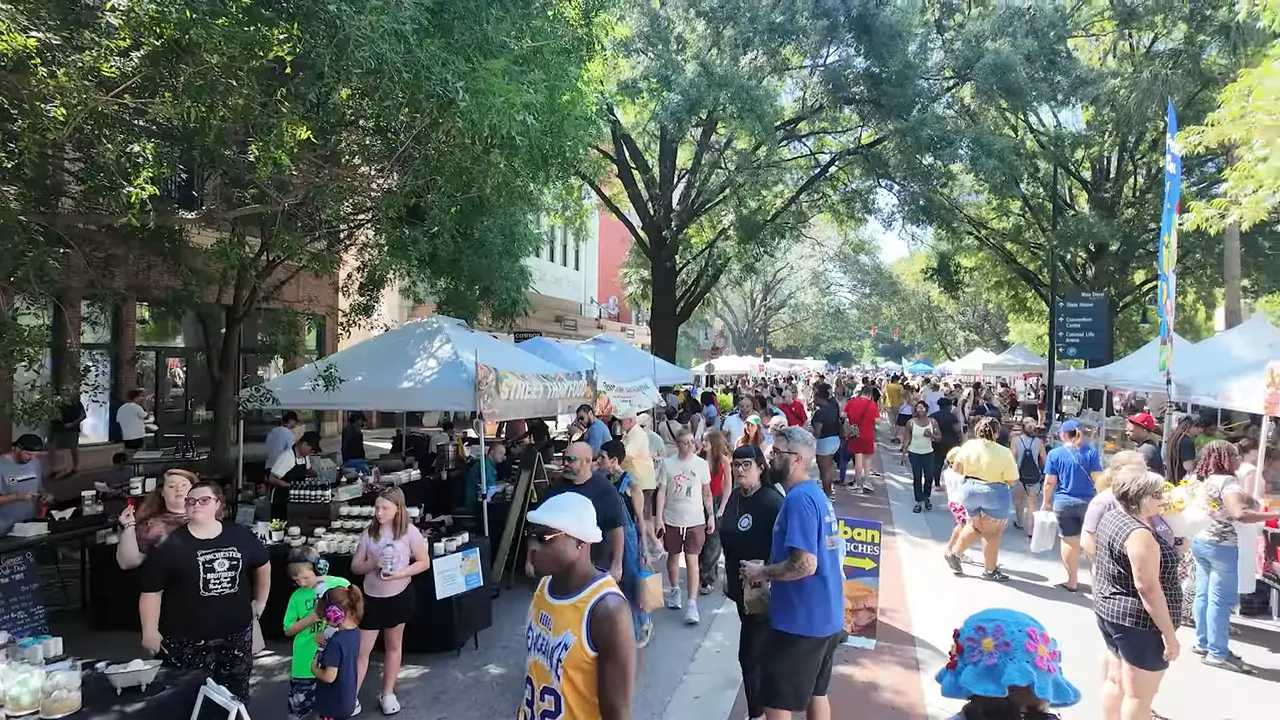
But Columbia is spread out, and that matters. A map can make Lexington, Irmo, Chapin, Blythewood, Forest Acres, Northeast Columbia, and downtown seem close enough to treat as one broad search area. Once we start driving routes, touring homes, finding grocery stores, checking lake access, and sitting in real traffic, the differences get real quickly.
The area does not always operate like one tidy city center with perfectly connected suburbs around it. It can feel like a series of distinct pockets. We can cross through an established neighborhood with mature trees, pass newer retail corridors, hit a two-lane road, and suddenly wonder whether we are still in Columbia or headed toward Chapin.
Each area brings a different tradeoff package
- Downtown Columbia brings university energy, the State House, BullStreet, apartments, hotels, restaurants, and events.
- Forest Acres feels more established, tree-lined, mature, and convenient to central Columbia.
- Lexington blends small-town character and suburbia with schools, shopping, restaurants, Lake Murray access, new construction, and strong buyer demand.
- Irmo can be a practical, central option with established neighborhoods, Harbison shopping, Costco, I-26 access, and Lake Murray nearby.
- Chapin attracts people looking for Lake Murray, schools, a quieter setting, and a more removed small-town feel.
- Blythewood offers a north-side feel with more space, golf course communities, growth, and access back toward Columbia or up toward Charlotte.
- Northeast Columbia has its own personality, with affordability in many pockets, established golf communities, Lake Carolina, the Villages at Sandhills, and Fort Jackson access.
When relocating to Columbia SC, we should not ask which area is objectively best. One household may love Blythewood and have no interest in Lexington. The next may feel exactly the opposite. Both can be making the right choice for their own life.
Lifestyle in Columbia, SC
For a lot of people, relocating to Columbia SC is about more than getting a less expensive house. It is about building a better normal week. We may want a yard, room to breathe, neighbors who know one another, kids in sports without every activity feeling like an Olympic operation, or weekends that do not disappear under the weight of traffic and errands.
Columbia is not trying to be the flashiest city in the Southeast. Charleston, Myrtle Beach, and Greenville all have their own appeal. Columbia's appeal is that life can feel more livable. Saturday can mean Soda City Market, a Carolina football game, dinner in the Vista, time on Lake Murray, or simply sitting in the backyard without feeling like life is running at 100 miles per hour.
That said, we should be honest about the fit. If our perfect lifestyle means big-city energy, major job hubs, dense walkability, and nearly every convenience directly outside the neighborhood, Columbia may feel slower or quieter than expected.
That is why vague priorities can lead to the wrong search. “We want an easier lifestyle” means different things to different people:
- More space may mean acreage, a bigger home, room for a pool, or simply not feeling boxed in.
- Convenience may mean being near Costco and Trader Joe's, close to doctors and schools, within a reasonable drive of downtown and hospitals, or avoiding a frustrating daily commute.
- A better weekend may mean Lake Murray access, restaurants nearby, community activities, or less time spent driving everywhere.
Before relocating to Columbia SC, we need to move past the question of what boxes a house checks. The better question is what problem the house and location actually solve.
Housing Options in Columbia, SC
Columbia offers a lot of housing variety. We can find new construction communities, older brick ranches, mature neighborhoods, lake homes, lake-access neighborhoods, acreage, golf course communities, 55-plus options, downtown condos and townhomes, and both affordable and higher-end pockets.
That variety is a real strength for anyone relocating to Columbia SC. It can also become overwhelming when we compare homes online as if the decision is only about square footage, price, a front porch, or updated countertops.
In real life, we are comparing daily routines.
A house with more land may look perfect until we realize the drive is farther out than expected. A route that appears short on the map can feel very different once we account for two-lane roads, roundabouts, stop signs, school drop-off traffic, construction, and the way certain roads back up.
Your wish list should be a starting point, not a contract. We should know what we prefer, but stay open enough to test those preferences against real homes, real neighborhoods, and real drives.
New construction versus resale is not a good versus bad decision
New construction can offer less immediate maintenance, current layouts, and fresh inventory. But the timing, available lots, incentives, and broader location matter. A neighborhood being popular or an onsite agent being friendly does not automatically make it the right move.
Resale homes can offer trees, character, larger lots, established communities, and a location that may be difficult to replicate in a newer development. The tradeoff can be more updating, inspection findings, patience, or a layout that requires compromise.
When relocating to Columbia SC, the honest question is simple: What problem is this home solving, and what problem is it creating? Every option comes with tradeoffs. The goal is to choose the tradeoffs that will not keep us up at night two years later.
Living Near Lake Murray in Columbia SC
Lake Murray changes the conversation for a lot of people relocating to Columbia SC. We may start our search because of affordability, warmer weather, more space, or a better pace. Then we realize there is a massive lake next to the metro, with boating, marinas, waterfront restaurants, fishing coves, sunsets, lakefront homes, and lake-access neighborhoods.
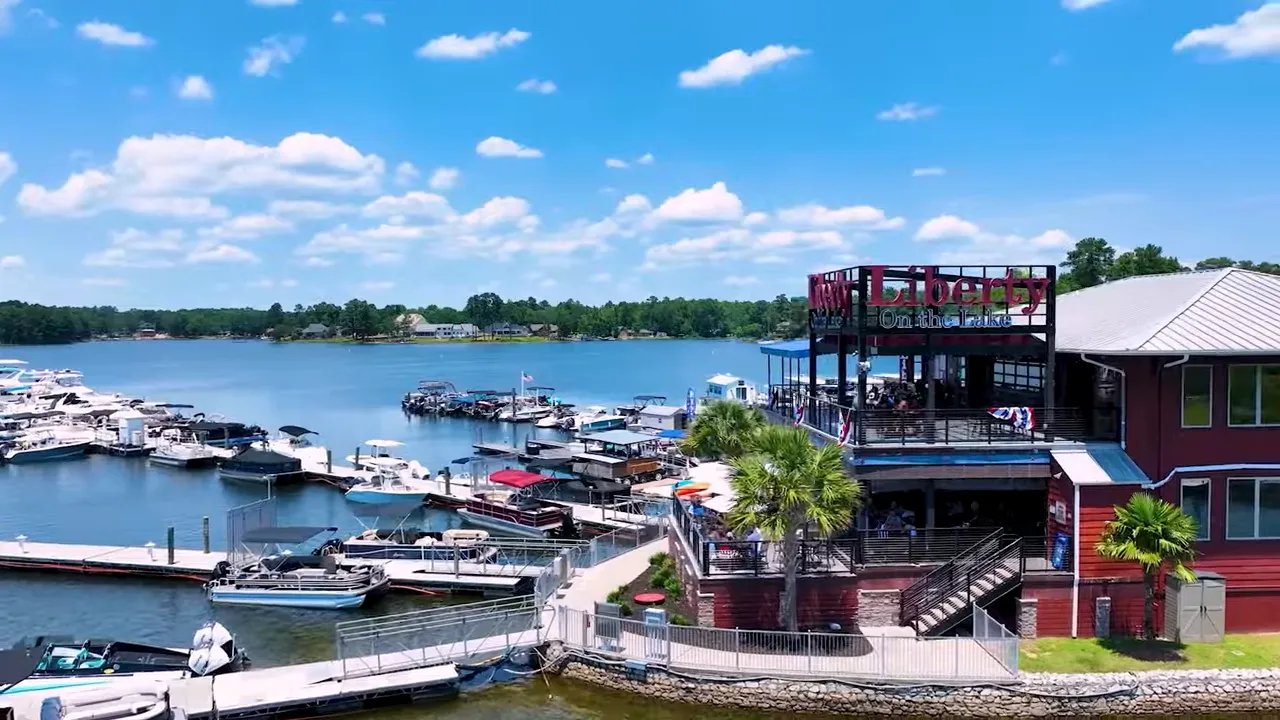
But saying we want to be near Lake Murray does not tell the whole story. We have to get specific about what we want the lake to do for our life.
- Lakefront living: We want the water view, dock, boat, and full waterfront experience.
- Lake-access living: We do not need to live directly on the water, but want a neighborhood ramp, marina, or easier boat access.
- Lake-adjacent living: We want to be close to waterfront restaurants, marinas, public ramps, and the general lake lifestyle without paying for lakefront pricing.
- Nearby lake convenience: We may only use the lake a handful of times each year, but like knowing it is there.
Those are completely different searches. Some people initially insist on a lake neighborhood and later realize that being five minutes from the lake gives them the lifestyle they want without paying for something they will not use every day. For others, true lakefront is the whole point.
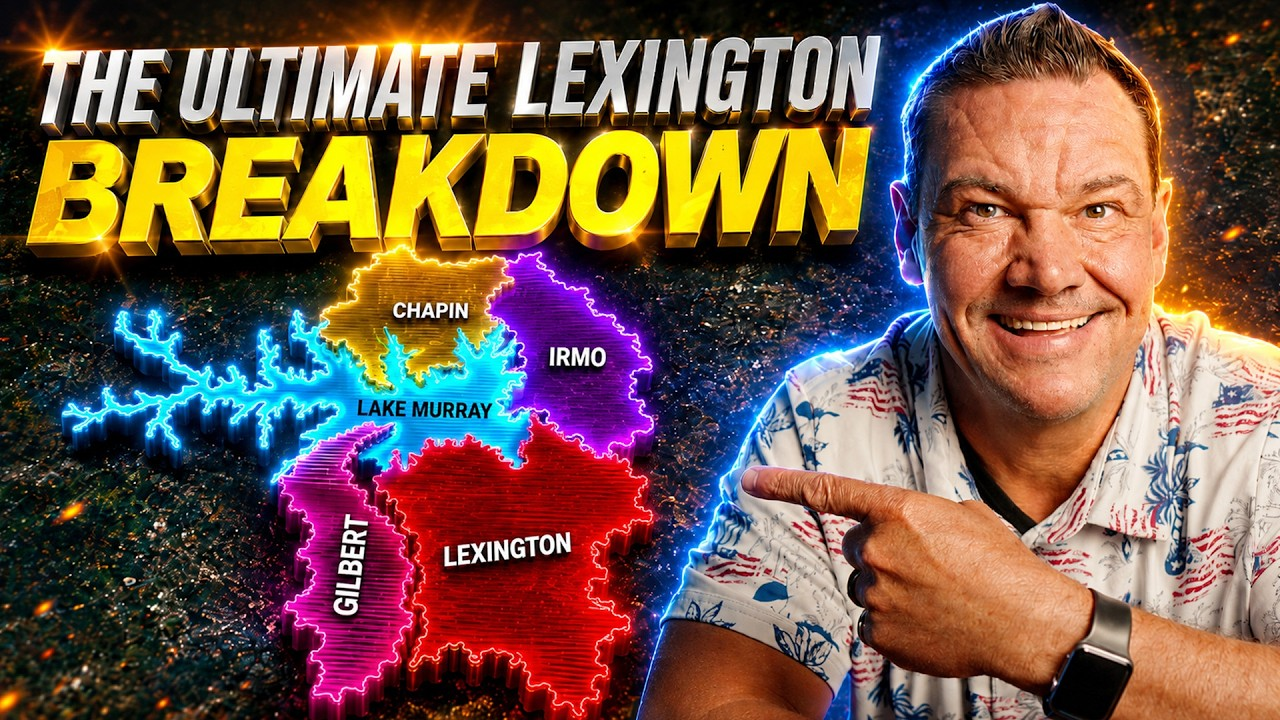
Lexington, Irmo, Chapin, and the western side of the lake all offer different access, commutes, schools, housing types, and overall feel. Relocating to Columbia SC with Lake Murray in mind means understanding where around the lake fits, not just throwing darts at the shoreline.
Growth and Development in Columbia SC
Columbia is not standing still. Surrounding suburbs are adding new neighborhoods, retail, restaurants, development, traffic, and new residents. For some people relocating to Columbia SC, that is exciting. They want to be in the path of growth and see more services, shopping, and attention coming to an area.
For others, growth sounds like the exact thing they are trying to leave behind: more congestion, more construction, more traffic, and less quiet.
Lexington has been in demand for years, and that demand has brought more neighborhoods, restaurants, shopping, competition, and traffic. Chapin has grown because of schools, Lake Murray, and its quieter lake-area appeal, but its changing character causes some people to look farther west. Blythewood is another major growth story, with development, new construction, and larger projects drawing more attention.
Irmo has more established sections but also rural pockets experiencing change. Northeast Columbia has affordability in many places, established neighborhoods, Lake Carolina, Sandhills, Fort Jackson access, and its own question marks around future demand.
The key question is not simply whether an area is growing. It is: Do we want the version of this area that is taking shape?
Growth can bring restaurants, shopping, services, jobs, and long-term demand. It can also bring school pressure, construction, traffic, and a different character than the one that first attracted us. Anyone relocating to Columbia SC should think about what they want to gain and what they are trying to protect.
Everyday Life When Relocating to Columbia SC
When relocating to Columbia SC, some of the most important details are not always the ones that show up in a home search.
The summer heat is real
South Carolina is warm, but there is a difference between knowing that and walking outside in July when the humidity makes the air feel heavy. The tradeoff is a milder winter than many northern and western markets, with less snow, ice, and long stretches of gray weather. Still, summer should be part of the decision, not something we pretend will not matter.
Weather events are still part of life
Columbia is not on the coast, but it can receive the leftovers from hurricanes. Tornadoes can happen from time to time, and occasional earthquakes make the conversation too. None of that means daily panic, but it does mean understanding the Southern climate when relocating to Columbia SC.
Bugs and snakes exist, but they are not the daily headline
Summer bugs are part of life here. Snakes are real as well, especially around certain outdoor areas, but they are not something most people encounter as a daily part of normal life. It is simply smart to be aware when walking outdoors, near water, or through more wooded spaces.
Budget for the hidden costs
Affordability is more than the purchase price and headline property tax figure. When relocating to Columbia SC, we should account for the costs that can surprise people after the move:
- Utility bills during hot summers and colder winter spells
- Water and sewer expenses, especially with larger yards
- Potentially higher car insurance depending on where we are moving from
- South Carolina state income tax
- Different property tax treatment for a secondary residence or rental property
- Annual vehicle property taxes on cars, boats, and RVs
That last one catches many newcomers off guard. South Carolina charges annual property taxes on vehicles, not just homes. It is worth building that into the budget before relocating to Columbia SC.
Who Should Relocate to Columbia SC?
Columbia tends to work best for people who want life to feel more practical, more comfortable, and a little less intense. We may want some combination of more space, warmer weather, a manageable pace, neighborhoods with different housing choices, Lake Murray access, schools, convenience, new construction, or established communities.
The people who often love Columbia are not searching for perfection. They are looking for better: better for their budget, family, current stage of life, weekends, and daily routine.
Columbia is not Charleston. It is not Greenville, Charlotte, Asheville, or a tiny postcard town where every errand is walkable and every street feels the same. It is more spread out, more layered, and more practical. For many people relocating to Columbia SC, that is exactly the appeal.
The best next step is to stop asking for one universal “best area.” Instead, get clear about the lifestyle you want, the routes you will drive, the compromise you can live with, and the problem your move needs to solve.
FAQs About Relocating to Columbia SC
Is relocating to Columbia SC a good idea for families?
It can be a strong fit for families seeking more space, a more comfortable pace, neighborhoods with different school and housing options, community involvement, and access to activities like sports, downtown events, and Lake Murray. The right area depends on the specific daily routine, school needs, budget, and commute.
Is Columbia SC a big city or a small town?
Columbia sits in the middle. It has the amenities of a state capital, a major university, Fort Jackson, hospitals, restaurants, sports, and active districts. But it does not generally feel as overwhelming as a much larger metro such as Atlanta or Charlotte.
What should we consider before relocating to Columbia SC for Lake Murray?
We should define whether we want lakefront property, a neighborhood with lake access, a nearby marina or boat ramp, or simply proximity to waterfront restaurants and activities. Lexington, Irmo, Chapin, and areas farther west around the lake can offer very different lifestyles and access patterns.
Are new construction homes better than resale homes in Columbia?
Neither is automatically better. New construction may offer a newer layout and less immediate maintenance, while resale can offer mature trees, established neighborhoods, larger lots, character, and central locations. The better choice depends on the problems we need the home to solve and the compromises we are willing to accept.
What hidden costs should we plan for in South Carolina?
Beyond the home payment, plan for utility bills, water and sewer expenses, insurance, state income tax, possible secondary-residence property tax differences, and annual property taxes on vehicles such as cars, boats, and RVs.
Ready to find the version of Columbia that fits your day-to-day routine—not just the prettiest listings? Call/text me at 803-999-4663 and I’ll help you narrow down neighborhoods, Lake Murray access, and the real tradeoffs that matter for your move.
READ MORE: Things to Know Before Moving to Columbia South Carolina