


Where People Actually Buy When Moving to Columbia, SC
There's what people think they want when they're searching for Columbia homes from out of state, and then there's where they actually buy once they see the area in person. I've watched this pattern repeat with relocation buyers for years: the wishlist shifts the moment they drive these neighborhoods, compare commutes, and feel the difference between a map pin and a real street.
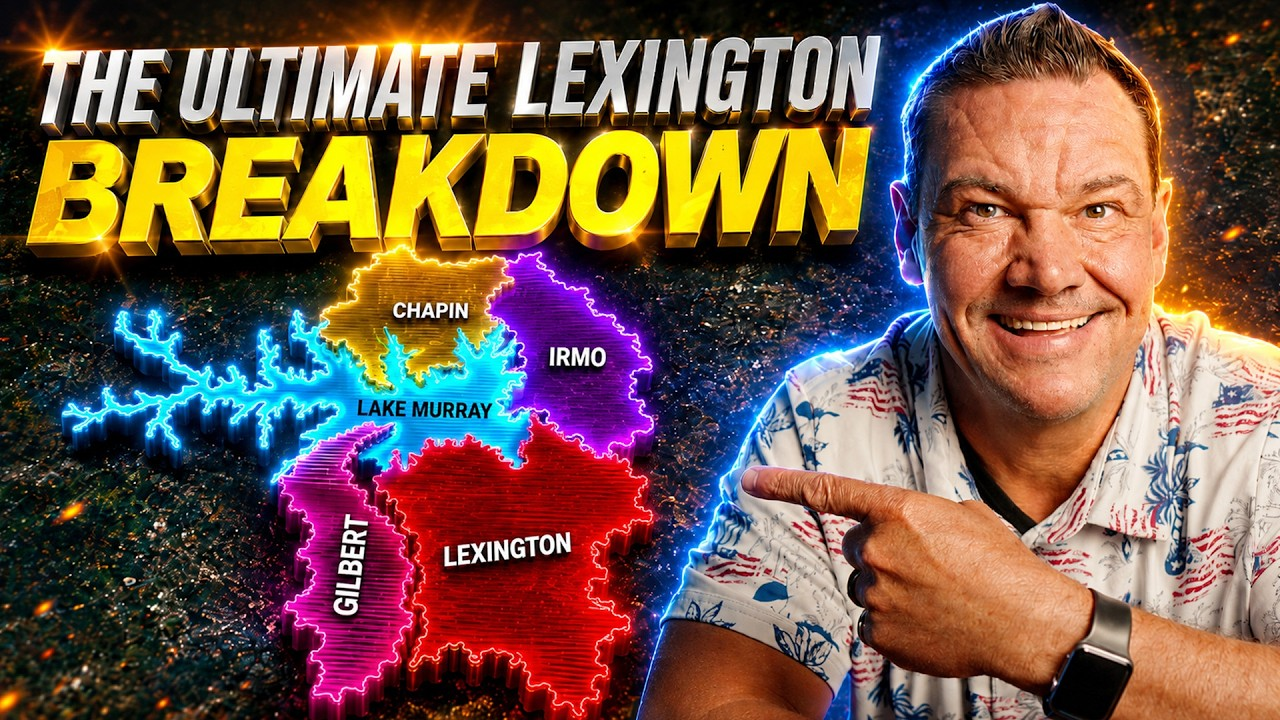
Columbia isn't Charlotte or Charleston. We don't have the same name recognition, which means buyers arrive with fewer preconceptions and more willingness to explore. That openness leads to surprises. The data shows most successful relocations land in four areas that offer different versions of the Columbia lifestyle: Blythewood, Chapin, Irmo, and Lexington. Each has its own trade-offs on space, character, lake access, and how far you're willing to drive.
Here's what I see when I pull relocation data and compare it to where buyers thought they'd end up. The gap between expectation and reality tells you a lot about what actually matters once you're living here.
Table of Contents
Blythewood: Suburban Space with a Rural Feel
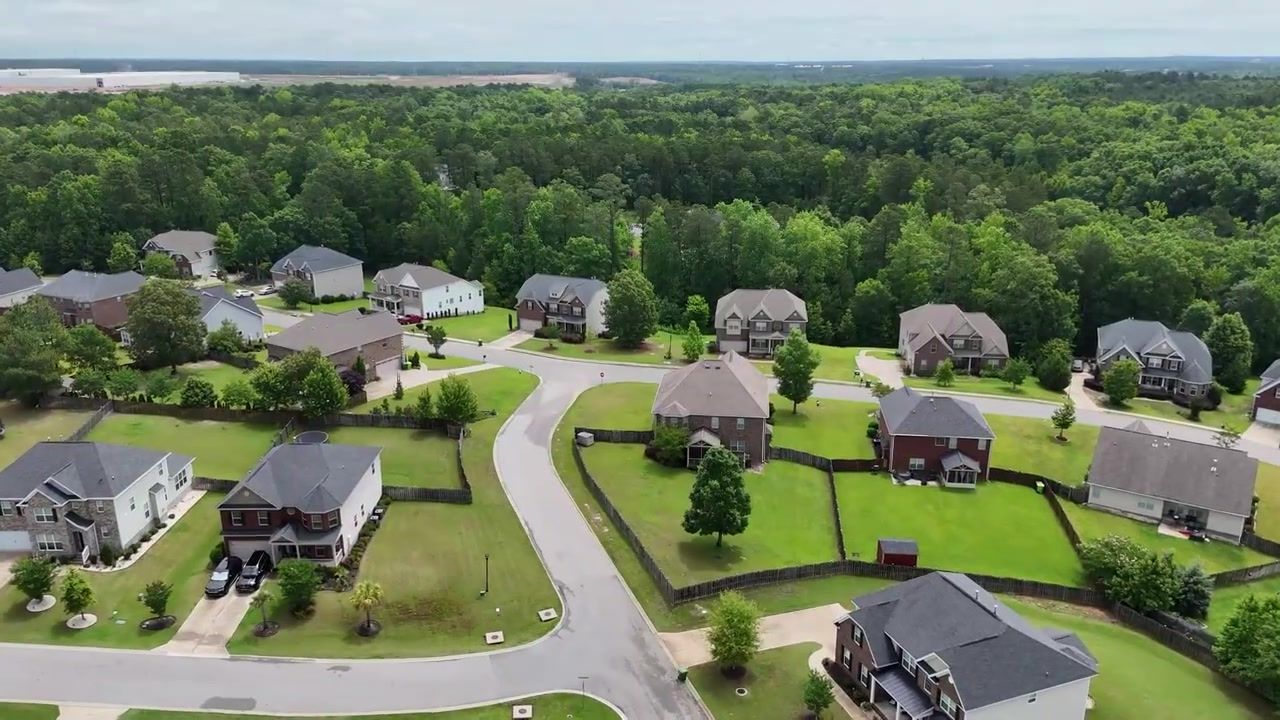
Blythewood shows up consistently in relocation data because it delivers on the space buyers say they want. Newer homes, larger lots, and a more spread-out feel than the closer-in suburbs. If you're coming from a dense metro and you want room to breathe, Blythewood makes sense on paper and in person.
The homes here trend newer, which means open floor plans, modern finishes, and subdivisions with amenities like pools and playgrounds. Lot sizes give you actual yards, not the postage stamps you find in some of the tighter neighborhoods closer to downtown. The trade-off is distance. Blythewood sits northeast of Columbia, and depending on where you work, that commute can add up. It's not terrible, but it's something to factor in if you're driving to downtown or Lexington daily.
The area has a more rural feel without being truly rural. You're not in the middle of nowhere, but you're also not walking to coffee shops or restaurants. It's suburban in the way that prioritizes space and quiet over walkability and spontaneous plans. For buyers who want a retreat at the end of the day and don't mind a drive for entertainment or dining, Blythewood delivers.
I see buyers choose Blythewood when they're prioritizing the home itself over the surrounding lifestyle. The house is the destination, not the neighborhood. That's not a criticism, just a recognition of what this area offers. If you want newer construction, more square footage, and a uffer from the busier parts of Columbia, this is where the data says people land.
Chapin: Small-Town Charm and Lake Murray Living
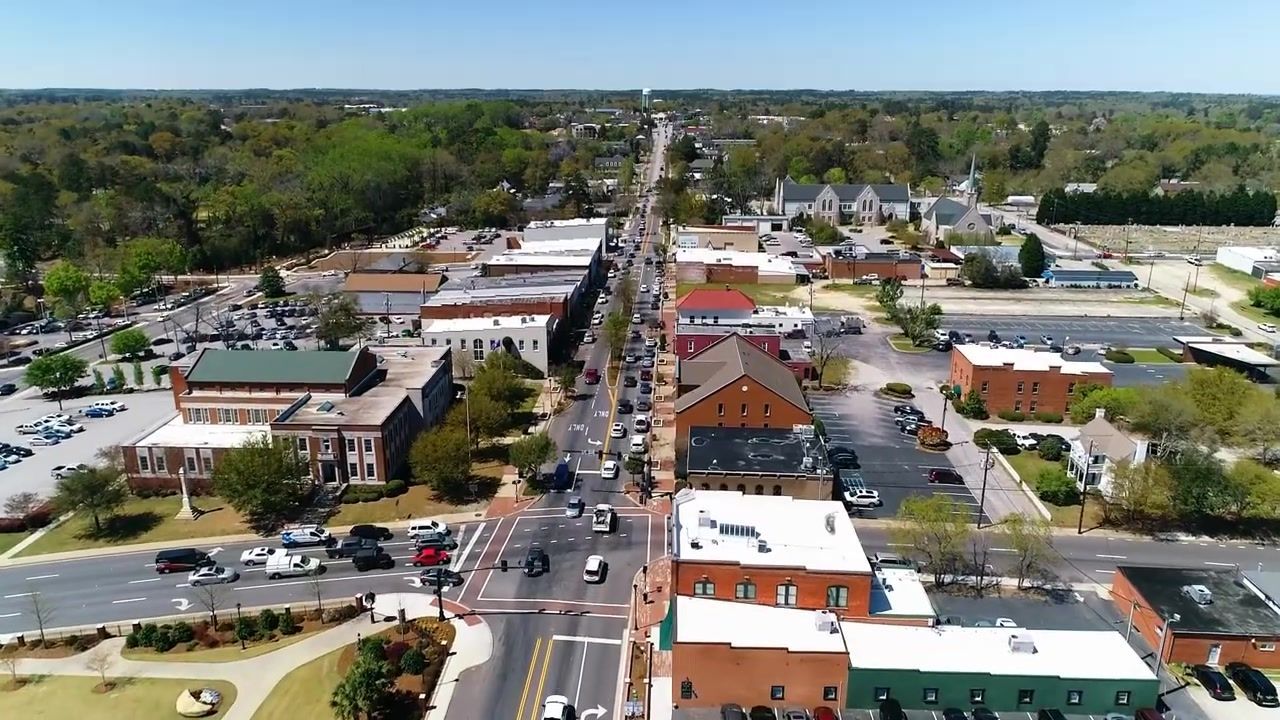
Chapin is the lifestyle pick. Buyers who end up here aren't just looking for a house; they're looking for a pace of life that feels different from what they left. Small-town charm is a cliché until you actually experience what it means in Chapin: slower traffic, a defined downtown, and proximity to Lake Murray that makes the lake feel like part of daily life, not just a weekend destination.
Lake access is the big draw. Whether you're boating, fishing, or just want to live near water, Chapin puts you close enough that it changes how you spend your time. The lake isn't a novelty here; it's infrastructure. That appeals to a specific buyer, and the relocation data reflects it. People who choose Chapin tend to stay, because the lifestyle match is strong.
The trade-off is convenience. Chapin is farther from Columbia's center, and while that distance creates the small-town feel, it also means longer drives for work, shopping, and entertainment that isn't lake-focused. You're choosing a different rhythm, and that works if you're intentional about it. If you're someone who needs quick access to everything, Chapin might feel too removed.
I see buyers pick Chapin when they're ready to commit to a lifestyle shift, not just a geographic move. It's not a compromise; it's a choice. The data shows that buyers who prioritize community feel and outdoor access end up here and don't regret the distance.
Irmo: The Balance Between Character and Convenience
Irmo is where buyers land when they want a mix: established neighborhoods with mature trees and character, but also access to newer construction if that's the priority. It's not as far out as Blythewood or Chapin, and it's not as tight as some of the older Columbia neighborhoods. It sits in the middle, geographically and stylistically.
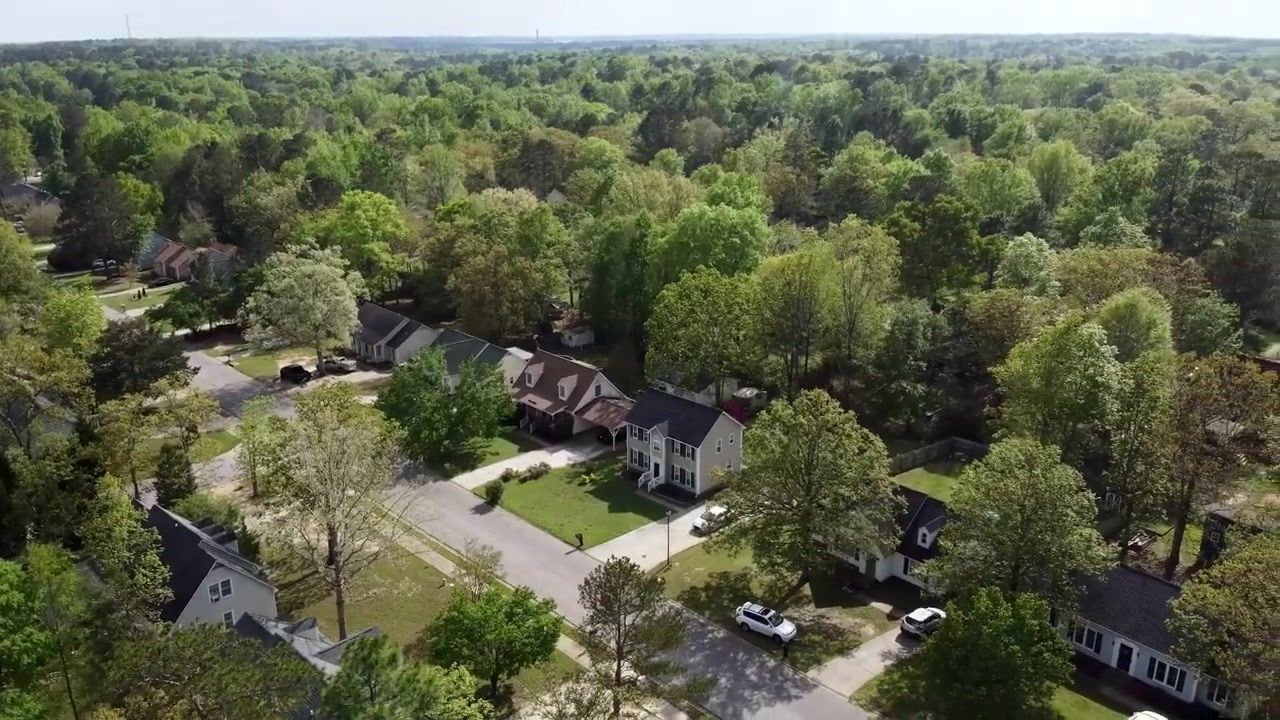
The established neighborhoods here have the kind of tree canopy and lot variation you don't get in newer subdivisions. Streets feel settled, not raw. That appeals to buyers who want a sense of history and visual interest, not just another cookie-cutter block. At the same time, Irmo has newer options for buyers who want modern homes without the rural distance of Blythewood.
Convenience is a real factor. Irmo offers easier access to downtown Columbia, Lake Murray, and Lexington without feeling like you're constantly in traffic. It's a practical choice for buyers who want options without long drives. The area has shopping, dining, and services that mean you're not always heading somewhere else for errands.
I see buyers choose Irmo when they want flexibility. It's not the most dramatic choice, but it's often the smartest one for people who aren't sure exactly how they'll use the area yet. The data backs that up: Irmo attracts buyers who want a safe bet that still feels like a real neighborhood, not just a subdivision.
Lexington: The Overlooked South Side
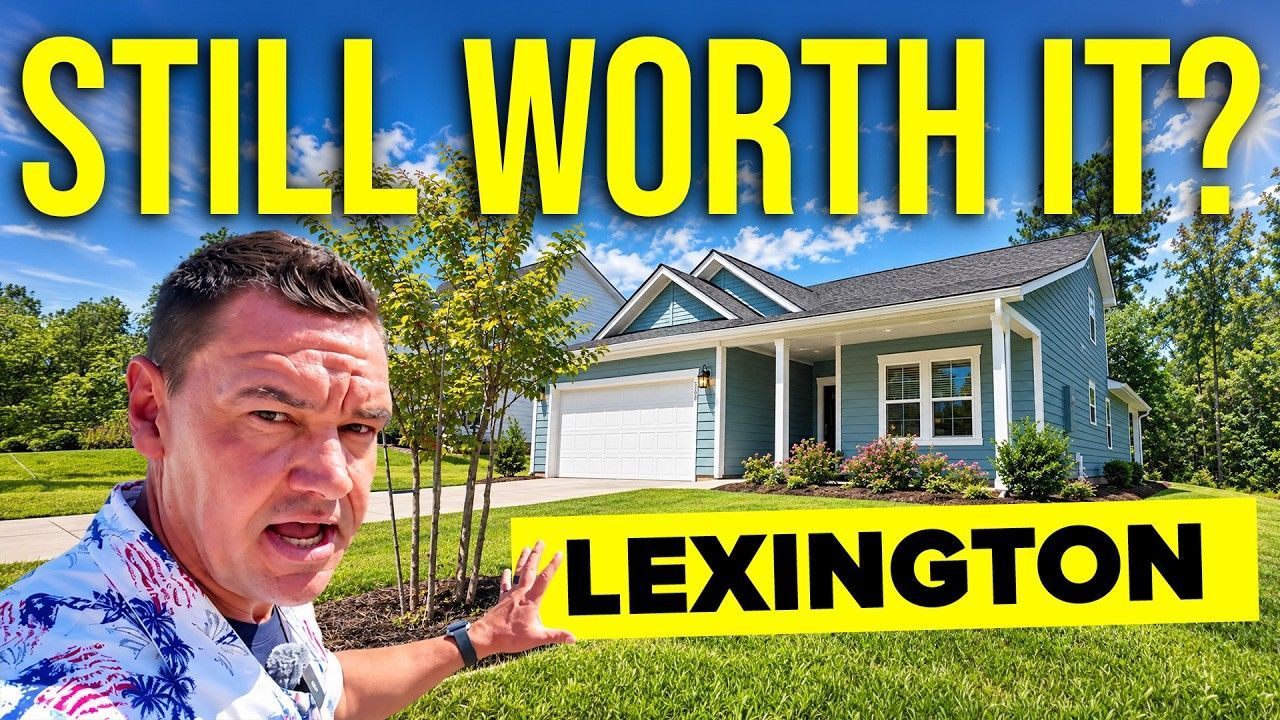
Lexington shows up in relocation data more than any other area, but here's what buyers miss: they focus on Lexington as a whole and overlook South Lexington, specifically the Red Bank and White Knoll areas. That's where the value and access actually are.
South Lexington offers more affordable homes without sacrificing access. You're close to downtown Columbia, close to Lake Murray, and in an area that doesn't feel as built-up as some of the more popular Lexington subdivisions. Red Bank and White Knoll give you established neighborhoods with character, newer options if you want them, and a location that makes commuting easier than Blythewood or Chapin.
Buyers often assume Lexington means the newer, pricier developments, and they don't dig into the southern part of the area. That's a mistake. The affordability here is real, and the trade-offs are minimal. You're not giving up much to save money, which is rare in relocation markets.
I see buyers change their minds about Lexington once they see South Lexington in person. The map doesn't tell the story; the drive does. If you're trying to balance budget, access, and lifestyle, this is where the data says people actually buy, not just browse.
Which Area Fits Your Lifestyle?
The relocation data shows a pattern: buyers who prioritize space and newness choose Blythewood. Buyers who want a lifestyle shift and lake access choose Chapin. Buyers who want balance and character choose Irmo. Buyers who want affordability and access choose South Lexington.
Here's how to think through the trade-offs:
- Choose Blythewood if you want newer homes, larger lots, and you're willing to drive for convenience. The space is real, and the suburban feel is consistent.
- Choose Chapin if the lake matters and you're ready for a slower pace. The small-town charm isn't marketing; it's how the area actually functions.
- Choose Irmo if you want options and don't want to commit to one extreme. It's the practical middle that still feels like a neighborhood.
- Choose South Lexington if you want affordability without isolation. Red Bank and White Knoll offer access to downtown and the lake without the price tag of other Lexington areas.
The gap between what buyers think they want and where they actually buy comes down to what they experience in person. The commute feels different when you drive it. The lot size matters more when you see the neighbors. The lake access changes your weekends when it's ten minutes away, not thirty.
Let's Talk About Your Move
Relocation data is useful, but it's not a substitute for seeing these areas yourself. I work with buyers moving to Columbia from out of state, and the conversation always starts with what you think you want and ends with what actually fits once you're here. Call or text me at 803-999-4663 so we can talk through your priorities and see how they match up with what's actually available. Reach out, and we'll figure out where you really belong in Columbia.
FAQ
What's the biggest mistake relocation buyers make in Columbia, SC?
They focus on the areas they've heard of and skip South Lexington, which offers better value and access than most buyers expect. Red Bank and White Knoll don't have the same name recognition, but the data shows that's where a lot of successful relocations land once buyers see the area in person.
How far is Blythewood from downtown Columbia?
Blythewood is northeast of Columbia, and the commute depends on where you're going. It's not a terrible drive, but it's something to factor in if you're working downtown or heading to Lexington regularly. The trade-off is space and newer homes.
Is Chapin too far from Columbia for a daily commute?
It depends on your tolerance for driving and what you're getting in return. Chapin is farther out, but buyers who choose it are usually prioritizing lake access and small-town feel over a short commute. If the lifestyle fits, the distance works.
What's the difference between Irmo and Lexington?
Irmo offers more established neighborhoods with mature trees and character, while Lexington has a wider range of options from newer subdivisions to older areas like Red Bank. Irmo feels more settled; Lexington offers more variety and affordability, especially on the south side.
Can you actually access Lake Murray from these areas?
Chapin gives you the closest and most consistent lake access. Irmo and South Lexington are near the lake, but you're not right on it unless you're specifically buying a lakefront property. Blythewood is farther from the lake and not really a lake-focused area.
Do I need to visit Columbia before buying, or can I rely on virtual tours?
You should visit. The relocation data shows that buyers change their minds once they see the areas in person. The commute, the feel of the neighborhoods, and the trade-offs are hard to gauge from a screen. A day or two on the ground will save you from buying in the wrong area.
Brandon Garon
We provide honest and transparent insights into relocating to the Midlands of South Carolina. Brandon's mission is to help you confidently decide if South Carolina is right for you—without hidden fees or sales pitches.
Call / Text: 803-999-4663