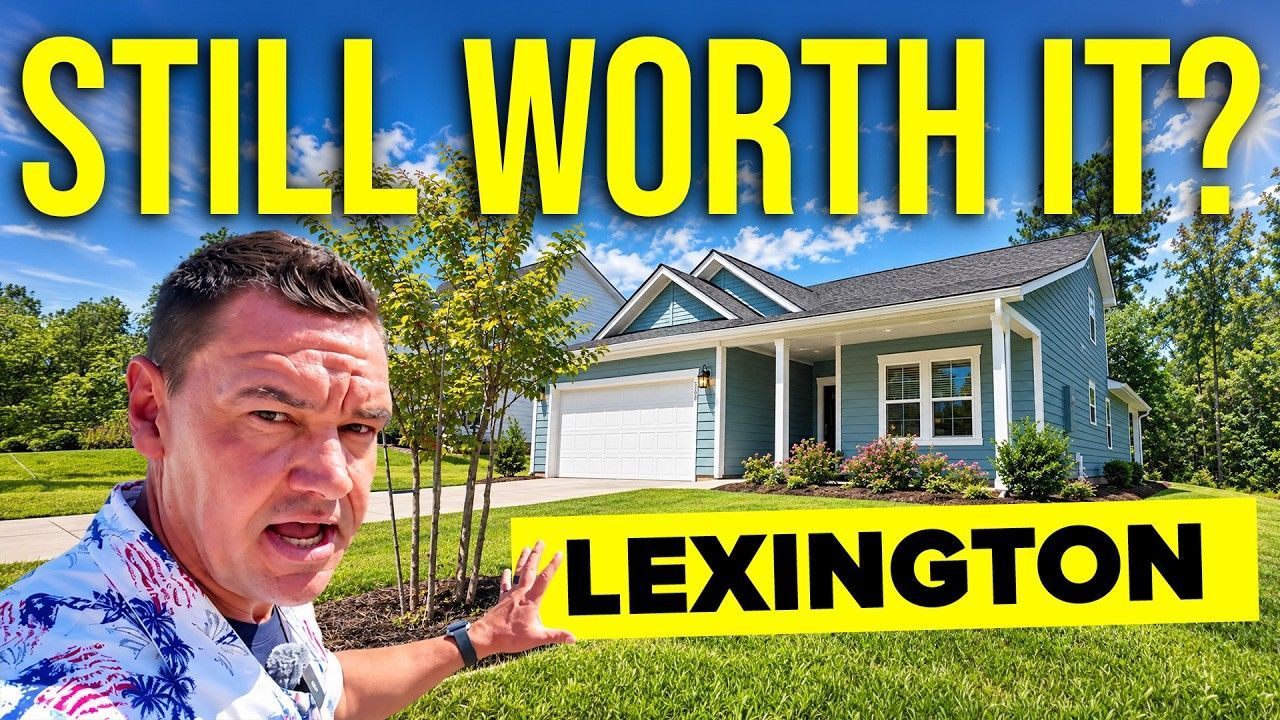
Why More Buyers Are Choosing Columbia, SC
Columbia doesn't have Charleston's postcard harbor or Greenville's downtown buzz, but that's exactly why it works for so many people who move here. I talk to buyers every week who started their South Carolina search in those two cities, got sticker shock or realized the commute wouldn't work, and landed in Columbia because it gave them what they actually needed: space, affordability, and the ability to get to both coasts and the mountains without living in either.
The capital sits in the geographic center of the state, which sounds like a tourism-board line until you're the one driving to Charleston for a beach weekend or Greenville for a concert and realizing you're back home in under two hours. You're not locked into one lifestyle here. You can live near Lake Murray, work downtown, and still make it to the coast or the foothills on a Saturday morning without burning half a tank of gas or planning around beach traffic.
Columbia's housing market reflects that practicality. You're not paying Charleston premiums for a 1,200-square-foot townhome with no yard, and you're not competing with the Greenville hype that's pushed prices up every year since 2020. You get more house, more lot, and more flexibility in how you spend your weekends. That's the trade-off, and for a lot of families and professionals relocating to South Carolina in 2026, it's the right one.
Table of Contents
- Why Columbia's Central Location Gives You Access to Everything
- Affordable Real Estate Without Sacrificing Space or Quality
- Lifestyle Flexibility: Lakes, Mountains, and Beaches Within Reach
- Columbia's Neighborhoods Offer Options for Every Budget
- Schools and Family Considerations in Columbia
- The Trade-Offs: What Columbia Doesn't Have
- Which South Carolina City Is Right for You?
- Conclusion
Why Columbia's Central Location Gives You Access to Everything
Columbia sits at the intersection of I-26 and I-77, which means you're less than two hours from Charleston, Greenville, Charlotte, and the North Carolina mountains. That's not an accident. The city was founded as the state capital specifically because it was central, and that geography still matters if you're the kind of person who wants options on the weekend.
I've worked with buyers who moved here from out of state and didn't realize how much that central location would change their lifestyle. You can live in Columbia, keep your cost of living reasonable, and still take day trips to the coast or the mountains without it feeling like a production. You're not stuck in one ecosystem the way you are when you live in Charleston and every mountain trip is a four-hour haul, or when you're in Greenville and the beach is a full day's commitment.
That access matters for work, too. Charlotte's airport is closer than Charleston's for a lot of Columbia neighborhoods, and if you're commuting or traveling for business, you've got options. You're not tied to one hub, one traffic pattern, or one set of flight prices. It's a flexibility that doesn't show up in the MLS listings, but it's one of the reasons people stay here once they move.
Affordable Real Estate Without Sacrificing Space or Quality
Columbia's housing market is still affordable compared to Charleston and Greenville, and that gap has widened over the last few years. You're not paying $400,000 for a starter home with no yard and an HOA that won't let you park your truck in the driveway. You can find new construction, established neighborhoods, and everything in between without maxing out your budget before you've even looked at furniture.
The difference shows up in what you get for your money. In Charleston, $350,000 might get you a townhome in a suburb 30 minutes from downtown with no real outdoor space. In Greenville, that same price might land you in a hot neighborhood, but you're competing with five other offers and waiving inspections. In Columbia, $350,000 gets you a single-family home with a yard, a two-car garage, and room to grow. You're not sacrificing quality or location. You're just not paying the premium that comes with living in a city that's been hyped on every "best places to live" list for the last decade.
That affordability extends to property taxes and cost of living, too. You're not dealing with Charleston's flood insurance costs or the sticker shock that comes with trying to maintain a historic home. You're not paying Greenville prices for groceries and gas because everyone assumes you can afford it. Columbia's cost of living is lower across the board, and that adds up when you're planning a long-term move.
Lifestyle Flexibility: Lakes, Mountains, and Beaches Within Reach
One of the biggest reasons people choose Columbia over Charleston or Greenville is that you're not locked into one lifestyle. If you live in Charleston, you're a beach person. If you live in Greenville, you're a mountains person. If you live in Columbia, you're both, and you can decide on Friday afternoon which one you want to be that weekend.
Lake Murray is 20 minutes from downtown Columbia, and it's a real lake with real recreation. You can boat, fish, paddleboard, or just sit on a dock and not deal with saltwater or crowds. The North Carolina mountains are an hour and a half away, which means you can hike, camp, or drive the Blue Ridge Parkway without making it a three-day trip. The coast is two hours, and you've got options: Myrtle Beach if you want boardwalks and mini golf, Charleston if you want history and restaurants, or the smaller beaches in between if you just want sand and quiet.
That flexibility matters if you're relocating with a family or a partner who has different ideas about how to spend a Saturday. You're not stuck in one mode. You can do lake mornings and city afternoons. You can take the kids to the beach one weekend and the mountains the next. You're not paying Charleston prices to live near the water, and you're not paying Greenville prices to live near the trails. You're in the middle, and the middle works.
Columbia's Neighborhoods Offer Options for Every Budget
Columbia's neighborhoods range from historic downtown areas to new construction suburbs, and you've got options at every price point. You're not stuck choosing between one expensive neighborhood that's walkable and a bunch of far-flung subdivisions with no character. You can find established areas with mature trees and sidewalks, new builds with modern floor plans and low maintenance, or something in between that fits your budget and your lifestyle.
Lexington is one of the most popular areas for families relocating to Columbia. It's technically its own town, but it's functionally part of the Columbia metro, and it's where a lot of people land when they want local schools, newer homes, and easy access to Lake Murray. You're not downtown, but you're close enough that the commute isn't a problem, and you're getting more house for your money than you would closer to the city center.
Irmo is another option if you want to be near the lake without paying lakefront prices. You've got a mix of older neighborhoods and new construction, and you're still within 20 minutes of downtown Columbia. It's a quieter area, but it's not isolated. You've got shopping, restaurants, and schools without feeling like you're in the middle of nowhere.
Downtown Columbia and the surrounding historic neighborhoods are an option if you want walkability and character. You're not getting Charleston's historic district, but you're also not paying Charleston prices, and you've got access to restaurants, parks, and the riverfront without needing a car for every errand. It's a smaller downtown than Greenville's, but it's growing, and the cost of entry is still reasonable.
Schools and Family Considerations in Columbia
If you're moving to Columbia with kids, schools are going to be part of your decision, and the quality varies by district. Lexington and Irmo are popular with families because the school districts are well-regarded, and you've got options for public, private, and charter schools depending on what you're looking for. I always tell buyers to verify current information with the district, because ratings and boundaries change, but those areas consistently show up on the list when families are narrowing down neighborhoods.
Columbia also has the University of South Carolina, which means you've got college sports, cultural events, and a built-in economy that doesn't rely entirely on one industry. That stability matters if you're relocating for work or planning to stay long-term. You're not in a town that lives and dies by tourism or one major employer. You've got diversity in the job market, and that shows up in the housing market, too.
Parks, trails, and outdoor space are easy to find in Columbia. You're not fighting for a spot at the one good park or driving 30 minutes to find a playground. Most neighborhoods have green space, and the Riverwalk downtown is a solid option if you want to walk, run, or bike without getting in the car. It's not Greenville's Swamp Rabbit Trail, but it's there, and it's growing.
The Trade-Offs: What Columbia Doesn't Have
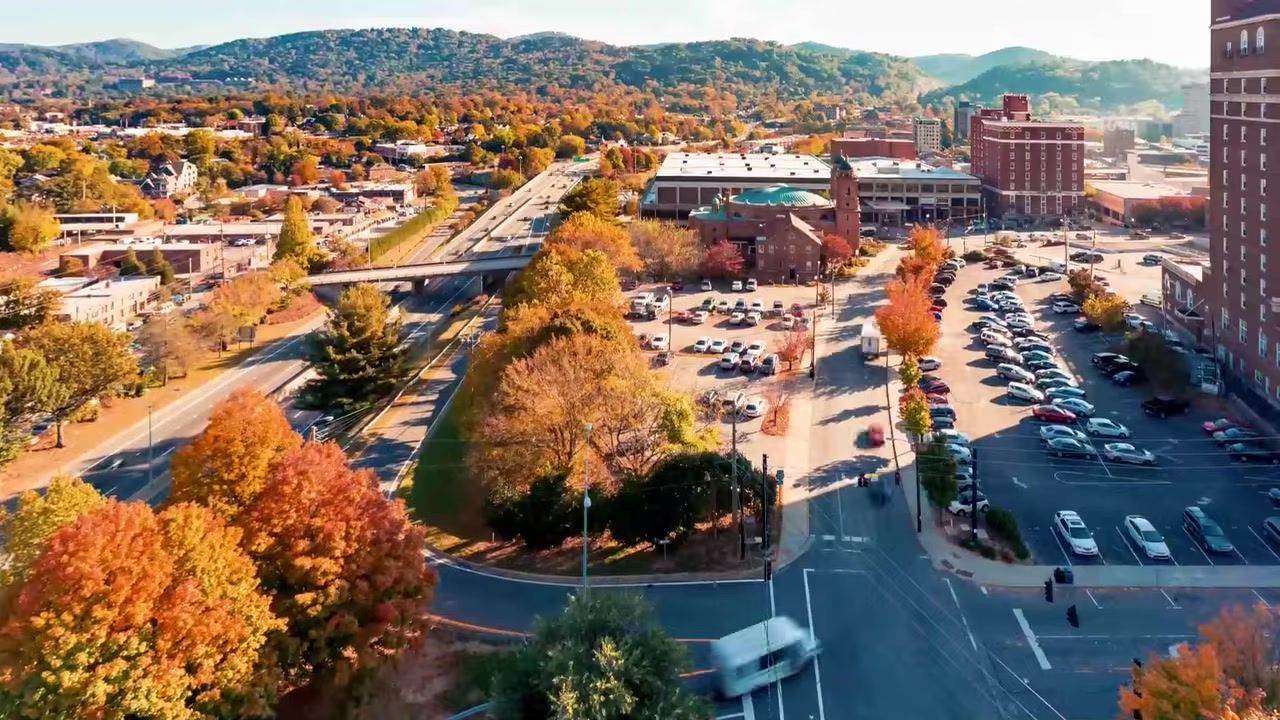
Columbia isn't Charleston, and it isn't Greenville, and that's the point. But it's worth being honest about what you're giving up when you choose Columbia over those cities. You're not getting Charleston's walkable downtown, historic architecture, or restaurant scene. You're not getting Greenville's polished downtown, brewery culture, or mountain views from your back deck. Columbia's downtown is smaller, less walkable, and still figuring out what it wants to be. The restaurant scene is growing, but it's not going to compete with Charleston's James Beard nominees or Greenville's Main Street lineup.
The summer heat in Columbia is real. You're inland, so you don't get the coastal breeze that makes Charleston summers tolerable, and you don't get the elevation that cools off Greenville in the evenings. July and August are hot and humid, and you're going to spend more time indoors or at the lake than you might in other parts of the state.
Columbia also doesn't have the same level of hype or prestige that Charleston and Greenville carry. If you're moving here and you care about telling people you live in a "cool" city, Columbia isn't going to give you that. It's practical, not trendy. It's affordable, not aspirational. That's a trade-off, and it matters to some people more than others.
Which South Carolina City Is Right for You?
Choosing between Columbia, Charleston, and Greenville comes down to what you're willing to trade and what you actually need in your daily life. Here's how I break it down:
- Choose Columbia if you want affordability, space, and the ability to access the coast, mountains, and lakes without living in any of them. You're getting more house for your money, a lower cost of living, and the flexibility to decide on Friday where you want to spend your weekend. You're not locked into one lifestyle, and you're not paying a premium for a city's reputation.
- Choose Charleston if you want walkability, historic charm, and a restaurant scene that's worth the price tag. You're paying for proximity to the beach, a strong tourism economy, and a city that feels like a destination. But you're also paying higher property prices, flood insurance, and the trade-off of being farther from the mountains and other parts of the state.
- Choose Greenville if you want a polished downtown, mountain access, and a city that's been on every "best places to live" list for the last decade. You're getting a strong job market, a walkable downtown, and proximity to hiking and outdoor recreation. But you're also paying for that hype, and the housing market reflects it. You're farther from the coast, and the competition for homes is tighter than it is in Columbia.
Columbia wins on flexibility and affordability. Charleston wins on charm and coastal access. Greenville wins on downtown polish and mountain proximity. The right choice depends on your budget, your lifestyle, and what you're willing to give up to get what you want.
Conclusion
Columbia works for people who want options, not hype. You're not paying Charleston prices for a townhome with no yard, and you're not competing with Greenville's inflated market just to say you live in a trendy city. You're getting space, affordability, and the ability to access the coast, the mountains, and the lakes without committing to one lifestyle or one price point.
If you're relocating to South Carolina and you're trying to figure out where you actually want to live, not where the internet says you should live, Columbia is worth a serious look. It's not the flashiest option, but it's the one that gives you the most flexibility for your money, and that matters when you're planning a long-term move.
If you want to talk through neighborhoods, pricing, or what it's actually like to live here, call or text me at 803-999-4663. I work with buyers relocating to Columbia every week, and I can walk you through what's available, what's realistic for your budget, and what trade-offs you're actually making when you choose Columbia over the other cities on your list.
FAQ: Moving to Columbia, SC
Why is Columbia more affordable than Charleston and Greenville?
Columbia hasn't seen the same level of hype or tourism-driven demand that's pushed prices up in Charleston and Greenville. You're not paying a premium for coastal access or a polished downtown, and the housing market reflects that. You get more space, lower property taxes, and a lower cost of living across the board.
How far is Columbia from the beach and the mountains?
Columbia is about two hours from the South Carolina coast and an hour and a half from the North Carolina mountains. You're centrally located, which means you can do beach weekends, mountain hikes, or lake days without committing to one lifestyle or one long drive every time you want to leave town.
What are the best neighborhoods in Columbia for families?
Lexington and Irmo are popular with families because of the school districts, newer homes, and proximity to Lake Murray. Downtown Columbia and the surrounding historic neighborhoods are options if you want walkability and character. Verify current school information with the district, because ratings and boundaries change.
Is Columbia's downtown walkable?
Columbia's downtown is smaller and less walkable than Charleston's or Greenville's, but it's growing. You've got the Riverwalk, restaurants, and access to the University of South Carolina, but you're not getting the same level of pedestrian infrastructure or density that you'd find in those other cities. Most people still drive for errands and daily life.
What are the downsides of living in Columbia?
Columbia's summers are hot and humid, and you don't get the coastal breeze or mountain elevation that makes other parts of South Carolina more comfortable. The downtown is smaller and still developing, so you're not getting the restaurant scene or walkability of Charleston or Greenville. Columbia also doesn't have the same prestige or hype, which matters to some buyers more than others.
How is the job market in Columbia compared to other South Carolina cities?
Columbia's job market is stable because of the state government, the University of South Carolina, and a mix of healthcare, finance, and manufacturing employers. You're not relying on one industry or tourism the way Charleston does, and you're not as dependent on corporate relocations the way Greenville is. It's a diversified economy, and that shows up in long-term stability.
Brandon Garon
We provide honest and transparent insights into relocating to the Midlands of South Carolina. Brandon's mission is to help you confidently decide if South Carolina is right for you—without hidden fees or sales pitches.
Call / Text: 803-999-4663


Recent Posts